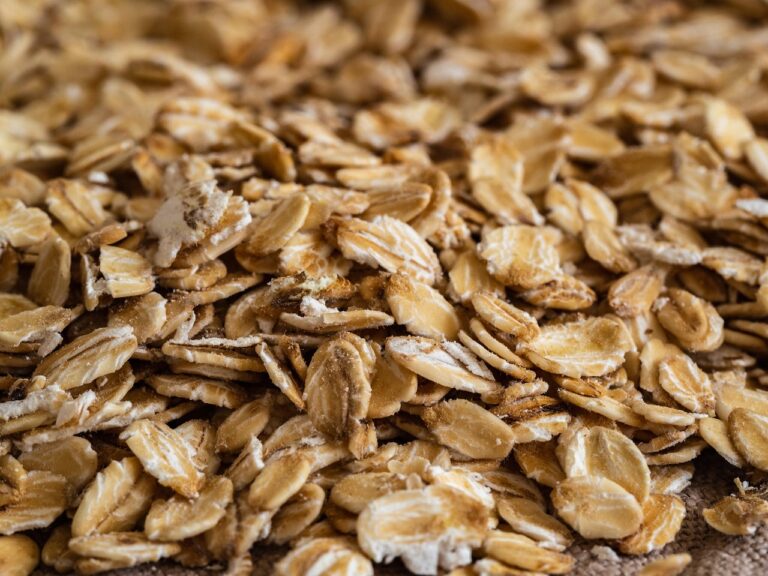
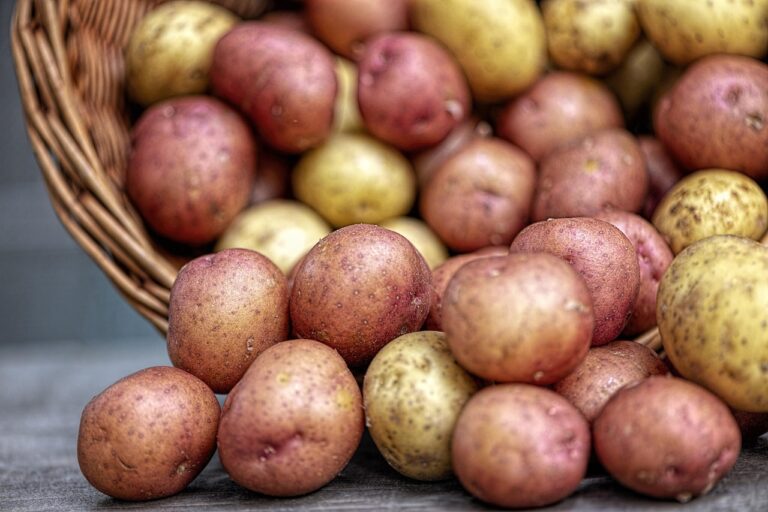
Natural dairy has no gluten. Milk, plain yogurt, aged cheese, cream and traditional butter are suitable for celiacs according to FACE. Gluten shows up in prepared dairy because of what is added to it, not because of the milk.
Here is each dairy product one by one, with a photo and its risk level, sorted from suitable to those that contain gluten. If you need the basics first, start with what is gluten.
Published on November 1, 2026 with data from FACE.
Short answer: milk, plain yogurt, cheese, cream and traditional butter have no gluten and are suitable according to FACE. Flavored yogurts, spreadable and grated cheese, shakes and dairy desserts only work with the “gluten free” claim. Yogurts and milks with cereals, and leche frita, contain gluten.
Does milk have gluten?
No, milk has no gluten. According to FACE‘s classification, every kind of fresh, sterilized or UHT, evaporated, condensed and concentrated milk, whole or skimmed, is a suitable conventional food. So are powdered milk and milks enriched with minerals or vitamins.
If you wondered whether milk carries gluten, the answer is the same for kefir, curd cheese and plain curd: suitable. The problem is milks with cereals, which FACE leaves out, and shakes and plant drinks, which are specific products and ask for the “gluten free” claim. To see what else fits in the diet, read what celiacs can eat.
Do butter and cream have gluten?
Traditional butter has no gluten, and neither does cream. FACE classifies traditional butter among suitable foods, and cream too, with one exception: cooking cream is a specific product, which only works with the “gluten free” claim.
Easy-spread butters, light butters and margarines are also specific products. They are checked like any prepared food: by the “gluten free” claim or by the label. If you also watch lactose, see gluten free and lactose free.
Do yogurts have gluten?
Plain yogurt has no gluten. FACE includes among the suitable foods plain yogurts, whole or skimmed, plain Greek yogurt and natural fermented milks without flavors or aromas.
Flavored yogurts, fruit yogurts and dairy preparations are specific products, and yogurts with cereals are not suitable. That is the trap of yogurts with muesli or cereal balls: the cereal brings the gluten, not the yogurt.
Can celiacs eat cheese?
Yes, celiacs can eat cheese. Fresh, soft, semi-aged and aged cheeses are suitable according to FACE: Manchego, Parmesan, Brie, Camembert, Gouda, Emmental, Mozzarella, Burgos or blue cheese, among others. If the cheese comes in slices, check the label.
If you wonder whether cheese contains gluten, cheese itself does not. What changes are spreadable, flavored, portioned, grated or spiced cheeses, which FACE treats as specific products. With them, look for the “gluten free” claim, because they come with additions.
Does leche frita have gluten?
Traditional leche frita contains gluten, because it is made with wheat flour and coated before frying. FACE does not consider battered or breaded foods with gluten suitable, so only a version made with “gluten free” ingredients works.
The same happens with other homemade dairy sweets: before ordering them, ask what flour they are made with.
Gluten free and gluten dairy, one by one
This is the complete list, sorted from suitable to not suitable dairy. Each card carries its photo and its level: green if suitable, amber if the label needs checking and red if it does not work.
Milk, yogurt and natural dairy: which ones have gluten and which do not
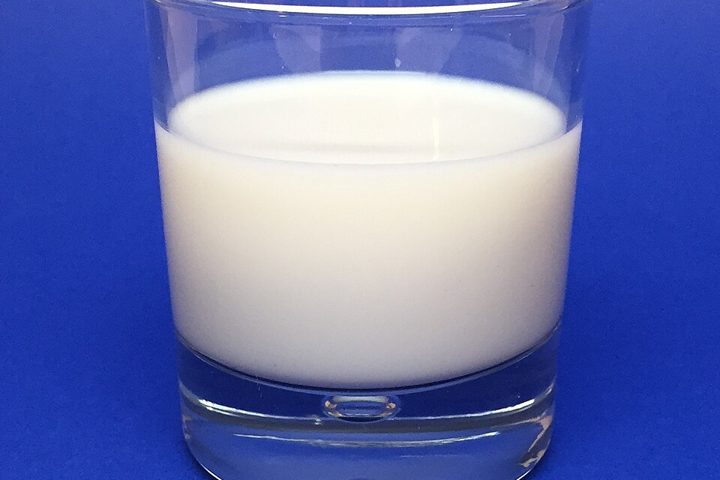
Milk
Fresh, UHT, evaporated, condensed or powdered.
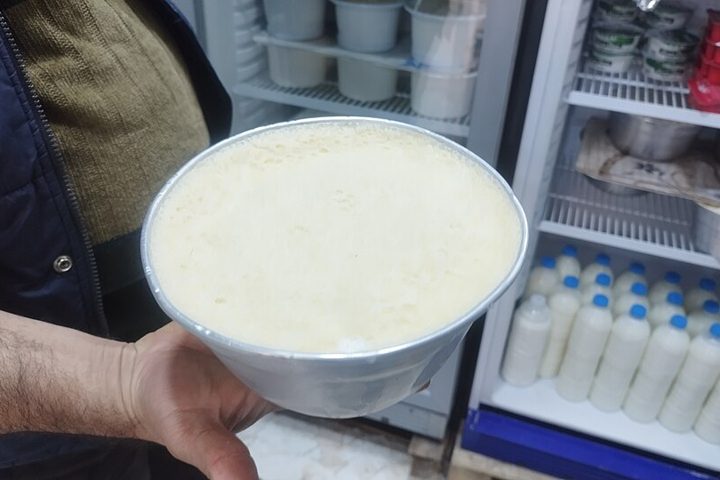
Plain yogurt
Plain, with no flavors or additions.
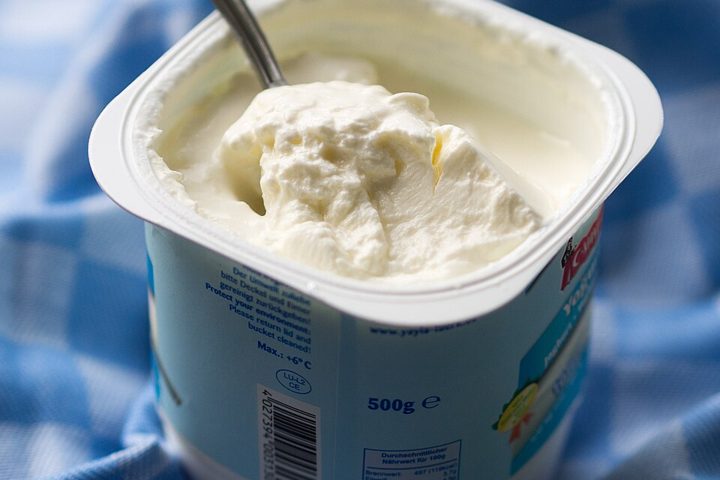
Plain Greek yogurt
Plain Greek yogurt, with no flavors.
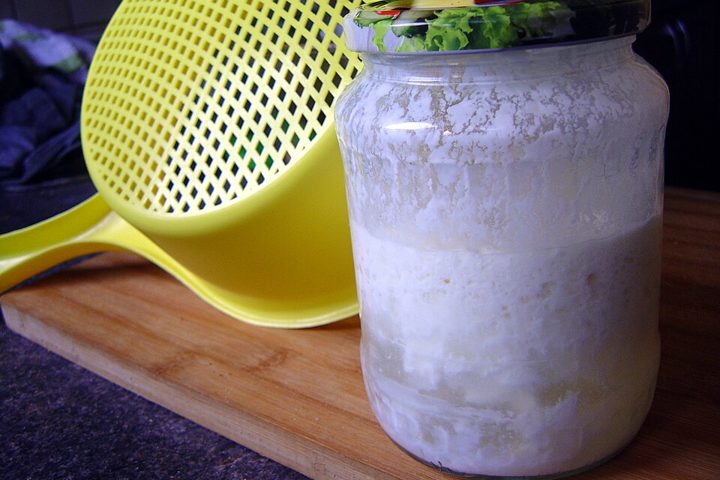
Kefir, curd cheese and curd
Kefir, curd cheese and plain curd.
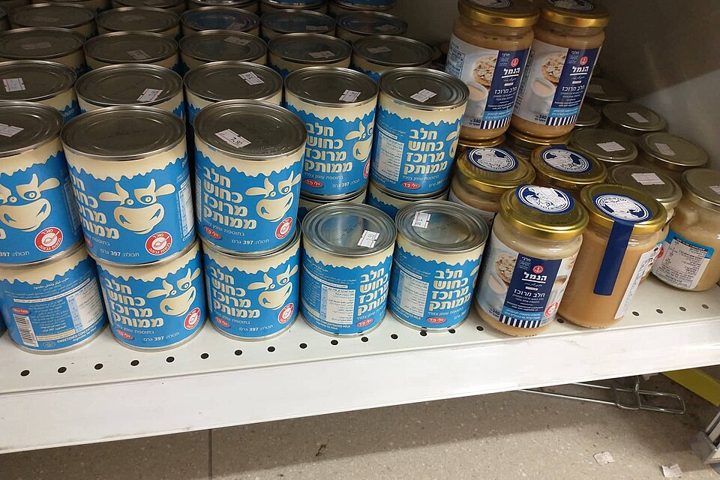
Condensed and evaporated milk
Evaporated, condensed and concentrated.
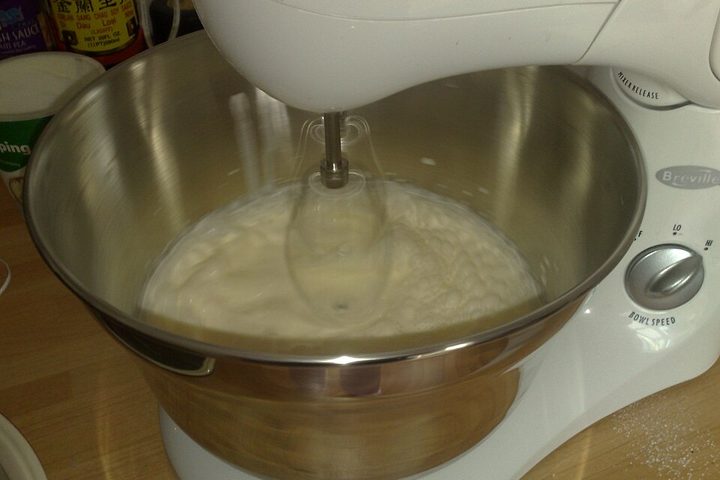
Cream
Cream, except cooking cream.
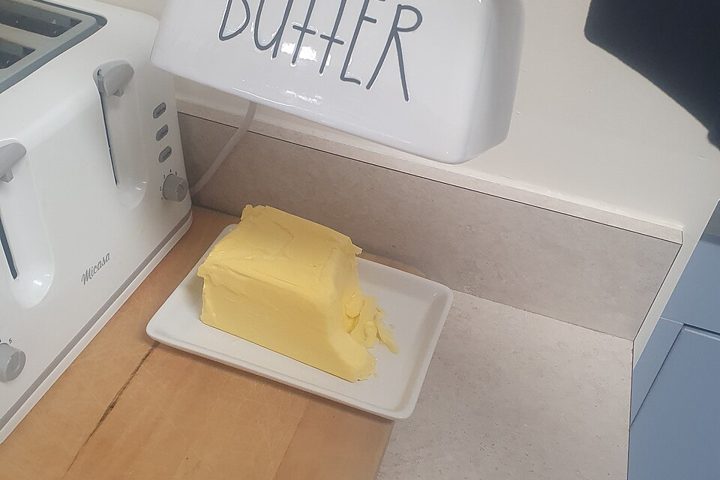
Traditional butter
Traditional butter.
Cheese: which ones have gluten and which do not
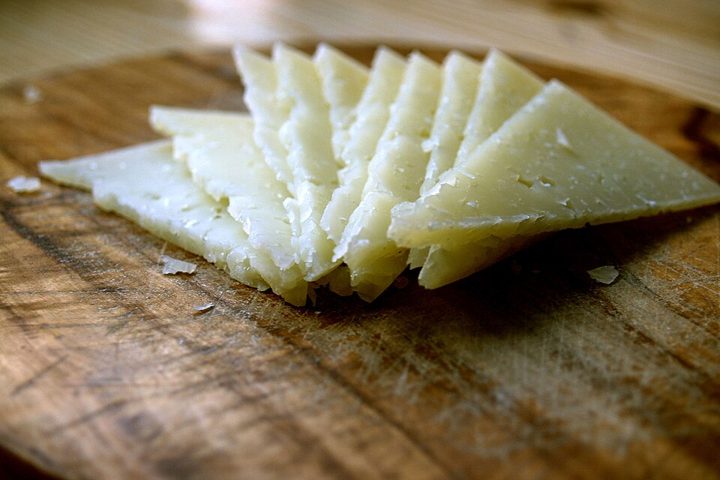
Aged and semi-aged cheese
Manchego, parmesan, gouda, brie, emmental.
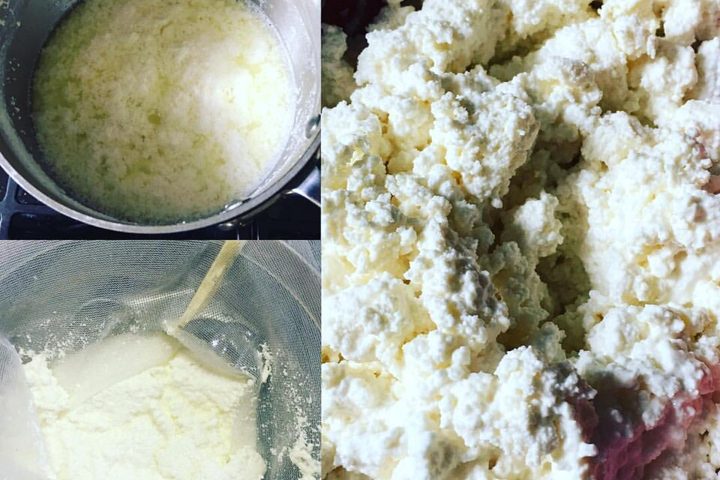
Fresh cheese
Burgos, mozzarella, curd cheese, quark.
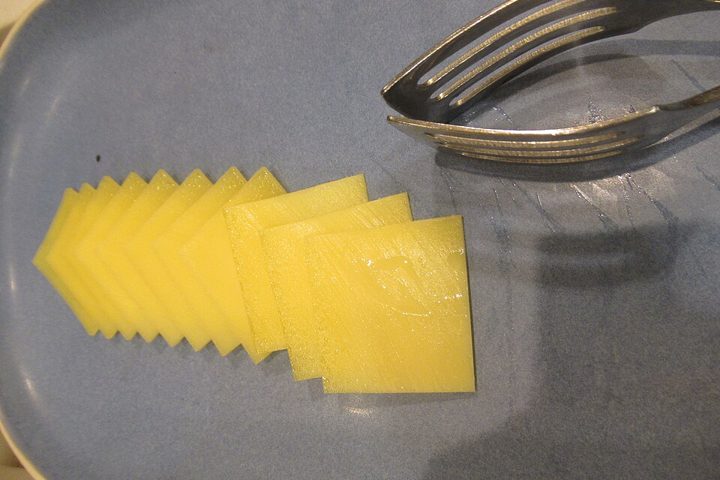
Sliced cheese
Suitable by nature; sliced, check the label.
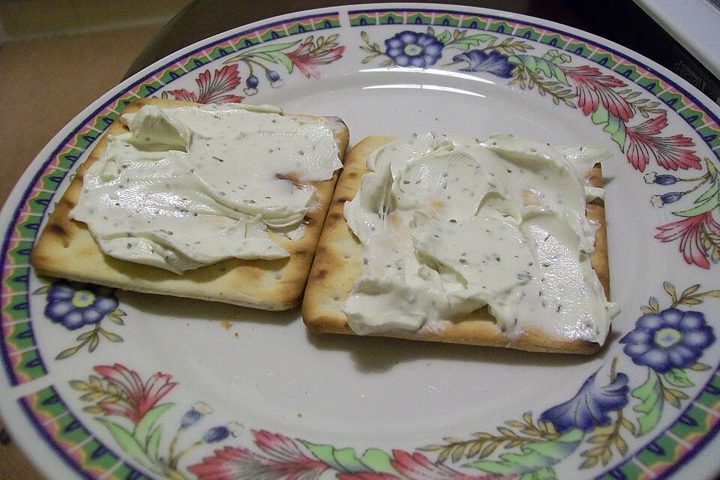
Cream cheese spread
Specific product: only with "gluten free".
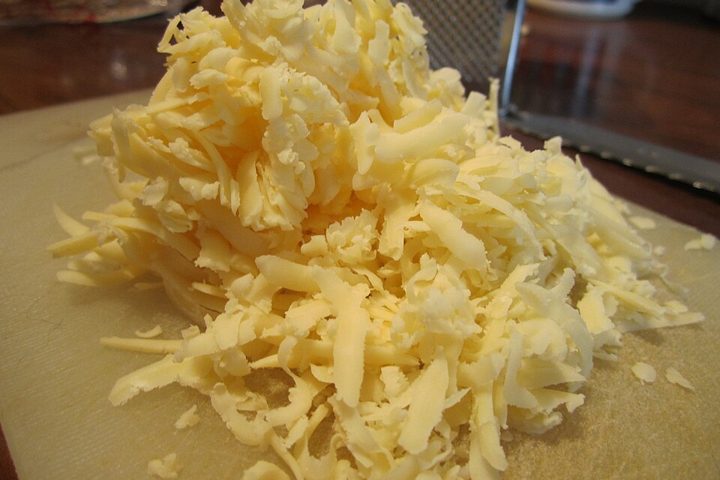
Grated cheese
Grated or spiced: check the label.
Prepared dairy: which ones have gluten and which do not
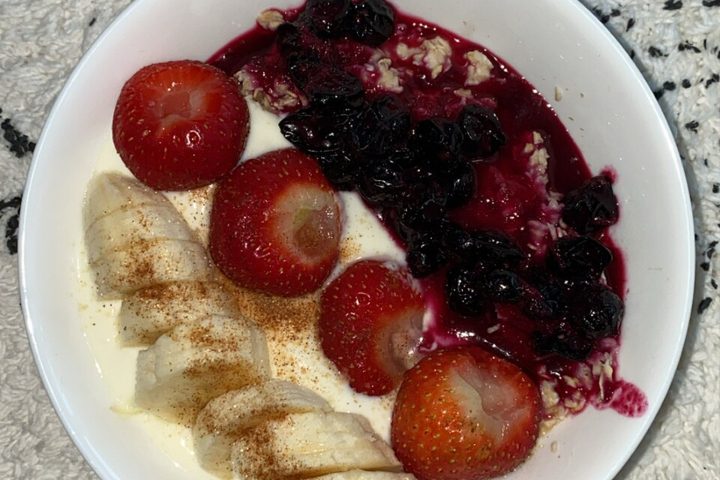
Flavored and fruit yogurt
Specific product: check the label.
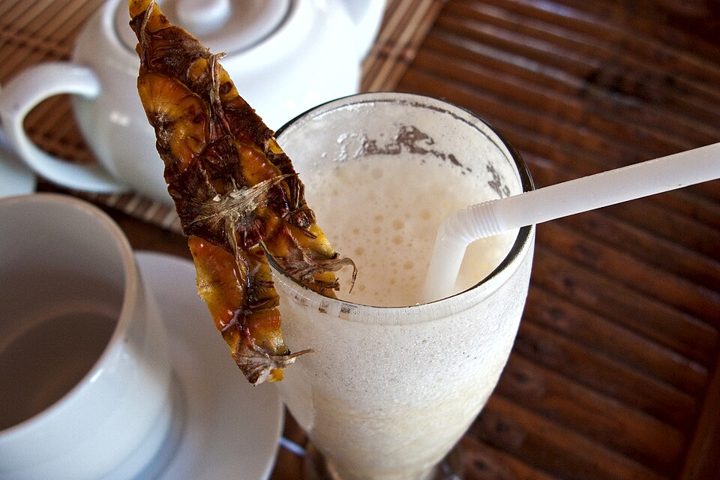
Shakes
Specific product: only with "gluten free".
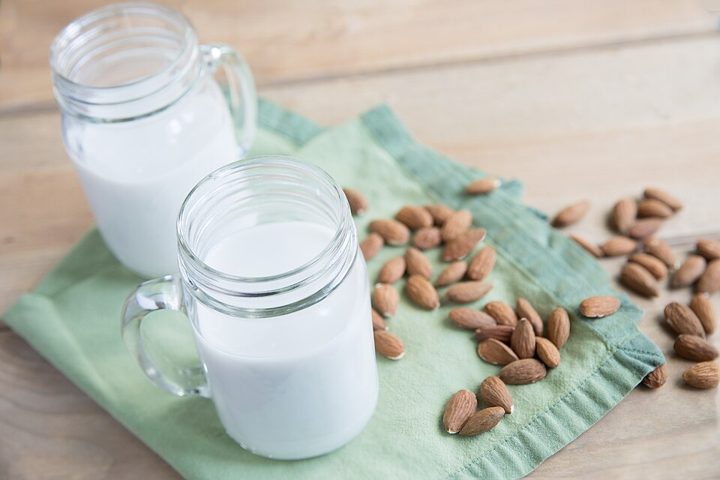
Plant drinks
Soy, rice or almond: only with "gluten free".
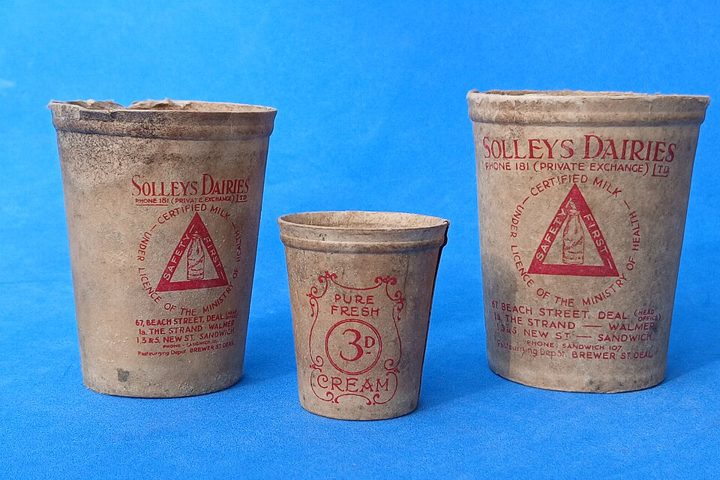
Cooking cream
Specific product: check the label.
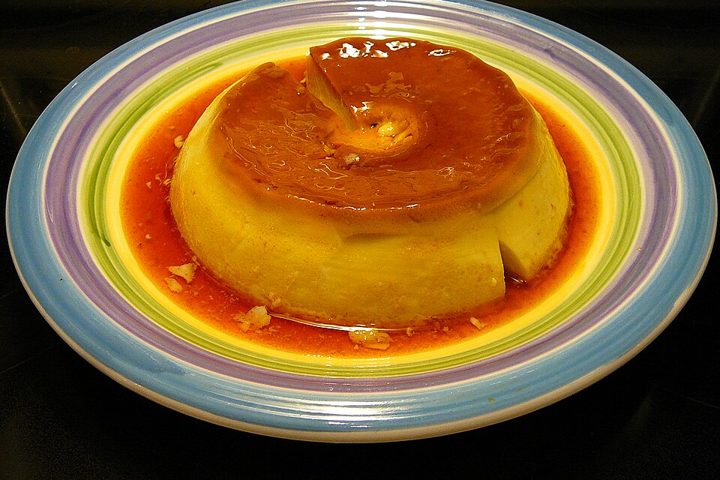
Flans and custards
Dairy desserts: only with "gluten free".
Margarine and spreadable butter
Specific product: check the label.
Dairy that contains gluten: which ones have gluten and which do not
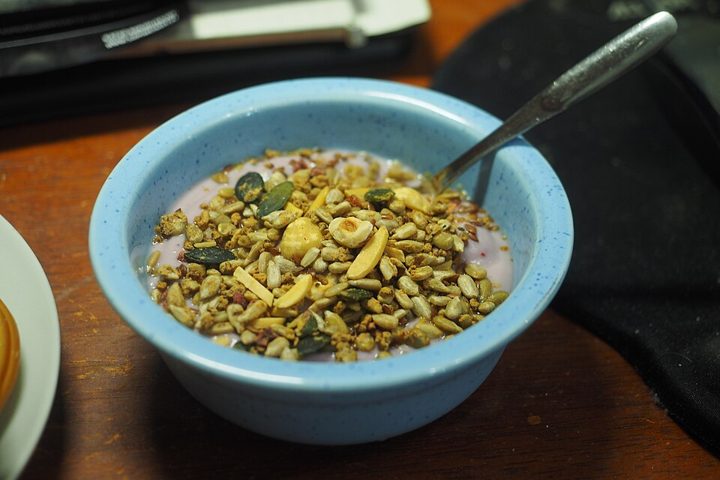
Yogurt with cereals
Yogurts with cereals are not suitable.
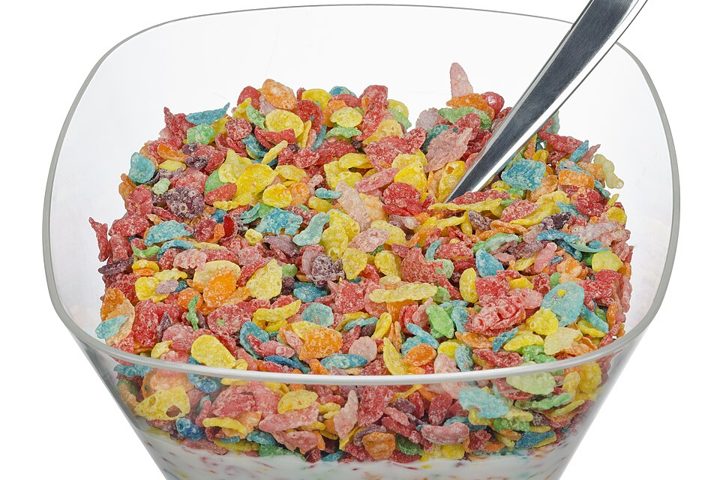
Milk with cereals
Milks with cereals are not suitable.
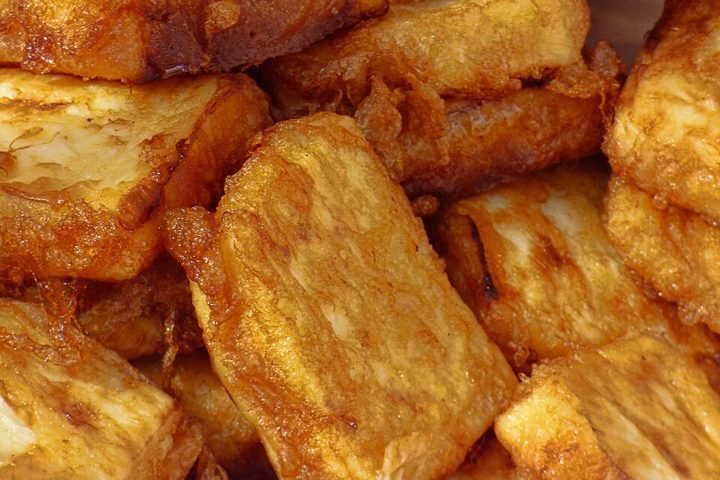
Leche frita
Traditional recipe with wheat flour.
How do you choose gluten free dairy?
To choose gluten free dairy, follow this order:
- Start with natural ones: milk, plain yogurt, aged cheese, cream and traditional butter need no label.
- Look for the “gluten free” claim on flavored yogurts, spreadable or grated cheese, shakes and dairy desserts.
- Read the ingredients in case wheat, rye, barley, oats or malt appear.
- Check sliced cheese, which FACE advises verifying.
- If in doubt, do not eat it. It is FACE’s rule.
To see every food by category, read which foods contain gluten, and to organize the whole diet, gluten free diet: complete guide 2026.
If you also watch lactose, see gluten free and lactose free. And for other gluten free staples, rice and potatoes.
Eating gluten free in Valencia
At Gato Blanco the whole kitchen is 100% gluten free. It is certified by ACECOVA and we hold the FACE Restauración Sin Gluten seal for 2025 and 2026, so you do not have to ask dish by dish.
We have written allergen information for every dish: gluten free covers gluten, and in the kitchen we also work with dairy, egg and nuts. If you need to avoid dairy, ask us and we will show you the information for each dish.
We are a gluten free restaurant in Valencia in La Zaidía, 7 minutes on foot from the Serranos Towers, and an option if you are looking for a restaurant for celiacs in Valencia with the whole menu safe. You can see every dish on the gluten free menu.
Frequently asked questions
Does milk have gluten?
No. Every kind of fresh, UHT, evaporated, condensed or powdered milk is suitable according to FACE. Only milks with cereals do not work, and shakes and plant drinks ask for the “gluten free” claim.
Does butter have gluten?
Traditional butter has no gluten and is suitable according to FACE. Easy-spread butters, light butters and margarines are specific products and only work with the “gluten free” claim or a checked label.
Does cream have gluten?
Cream has no gluten and is suitable according to FACE, with one exception: cooking cream is a specific product, so check its label before using it.
Do yogurts have gluten?
Plain and plain Greek yogurt do not. Flavored and fruit yogurts are specific products, and yogurts with cereals are not suitable according to FACE. Always check the label of flavored ones.
Does cheese contain gluten?
Fresh, soft, semi-aged and aged cheese has no gluten and is suitable according to FACE. Spreadable, grated, flavored or portioned cheeses are specific products and call for a label check.
Do condensed and evaporated milk have gluten?
No. FACE includes evaporated, condensed and concentrated milk among suitable foods, whole or skimmed. If a product has other ingredients added, check its label like any prepared food.
Does leche frita have gluten?
The traditional recipe does, because it uses wheat flour and a coating. FACE does not consider coated foods with gluten suitable, so only a version made with “gluten free” ingredients works.
Photo credits
Photographs from Wikimedia Commons, under the licenses shown: Milk: NIAID, CC BY 2.0; Plain yogurt: Abdulsalam Al Dabbagh, CC BY-SA 4.0; Plain Greek yogurt: Takeaway, CC BY-SA 4.0; Kefir, curd cheese and curd: Svorad, CC BY-SA 4.0; Condensed and evaporated milk: Corvus, CC BY-SA 4.0; Cream: Miia Ranta from Finland, CC BY-SA 2.0; Traditional butter: Qwertyxp2000, CC BY 4.0; Aged and semi-aged cheese: cyclonebill, CC BY-SA 2.0; Fresh cheese: leesean from New York, USA, CC BY-SA 2.0; Sliced cheese: CNEcija12345, CC BY-SA 4.0; Cream cheese spread: AnemoneProjectors, CC BY-SA 2.0; Grated cheese: Annie Mole, CC BY 2.0; Flavored and fruit yogurt: Jumbocombo0811, CC BY-SA 4.0; Shakes: Vyacheslav Argenberg, CC BY 4.0; Plant drinks: Kjokkenutstyr, CC BY-SA 4.0; Cooking cream: Digihum, CC BY 4.0; Flans and custards: Cary Bass, CC BY-SA 2.5; Margarine and spreadable butter: Wikimedia Commons, CC BY-SA 2.0; Yogurt with cereals: JIP, CC BY-SA 4.0; Milk with cereals: Evan-Amos, Public domain; Leche frita: juantiagues, CC BY-SA 2.0.
This article is informational and does not replace a consultation with a doctor or a dietitian. Product formulations change: always check the label on the package. Source: FACE (classification of foods suitable for celiacs 2021).