Celiacs can eat everything fresh and unprocessed, and any processed product labelled “gluten-free”. Meat, fish, eggs, fruit, vegetables, potatoes, rice and legumes are safe by nature, according to the NHS and NIDDK. The trouble starts when those foods get processed.
This guide is the flip side of our list of what celiacs cannot eat: here is what does go on the plate, using FACE’s official classification to show when the ingredient is enough and when you need to read the label. If you are still unsure what gluten is, start with what is gluten?.
Published on 10 October 2026 with data from FACE (2021 classification of foods suitable for celiacs), NIDDK and the NHS.
Short answer: celiacs can eat everything fresh and unprocessed, such as meat, fish, eggs, fruit, vegetables, potatoes, rice, corn and legumes, plus any processed product labelled “gluten-free”, which in the European Union requires less than 20 ppm (FACE). Everything else depends on the label: chocolate, cold cuts, sauces or pre-fried potatoes only qualify if the pack says so. For the full detail, see do potatoes have gluten?.
What can celiacs eat? The three-level rule
If you search what can celiacs eat, what does a celiac eat or what to eat as a celiac, the practical answer is that there are three levels rather than one list. FACE classifies foods as conventional, specific and not suitable (2021 classification of foods suitable for celiacs).
- Conventional: safe as they are, because they are naturally gluten-free and rarely processed with it. Fresh fruit, eggs and fresh meat are here.
- Specific: products that may contain gluten as an ingredient or through contamination. They only qualify when the pack says “gluten-free”.
- Not suitable: wheat, spelt, barley, rye, triticale and regular oats, and anything containing them.
That is the trick to keeping it simple. With fresh food you do not need to read anything, and with processed food there is a single question: does it say “gluten-free”? The cross-contact traps at home are covered in gluten free diet: the complete guide.
Foods a celiac can eat without checking the label
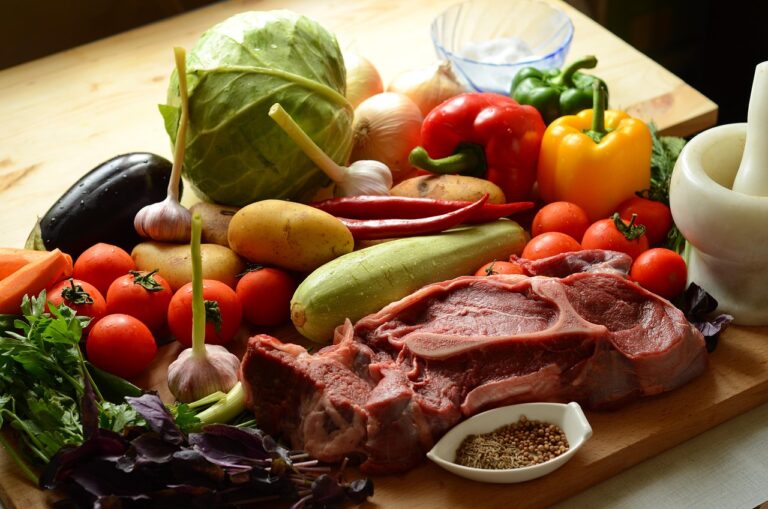
There is far more food for celiacs than it seems. The NHS counts most dairy, such as cheese, butter and milk, as safe, along with fruit, vegetables, potatoes, rice and rice noodles. Meat and fish are fine as long as they are not breaded or battered.
The table shows FACE’s three levels by category. The middle column is the surprising one: ordinary products that depend on the pack.
| Category | Safe as they are | Only if labelled gluten-free | Not suitable |
|---|---|---|---|
| Grains | Rice, corn, quinoa, amaranth, millet, sorghum, teff and buckwheat in whole-grain form | Certified oats, bread, pasta, cookies and breakfast cereals | Wheat, spelt, barley, rye, triticale and regular oats |
| Meat and cold cuts | Fresh meat, cured Iberian or serrano ham, cecina, fresh pork belly | Chorizo, salchichón, burgers, meatballs, pâtés, bacon, cooked ham | Breaded and battered food with gluten |
| Fish and seafood | Fresh or frozen unbreaded fish, canned fish in water or oil | Fish canned in sauce or pickled, surimi, gulas | Breaded or battered fish |
| Dairy and eggs | Milk, plain yogurt, cream, whole fresh or aged cheeses, fresh eggs | Flavored yogurts, spreadable or grated cheese, dairy desserts, plant-based drinks | Yogurts and milks with cereals |
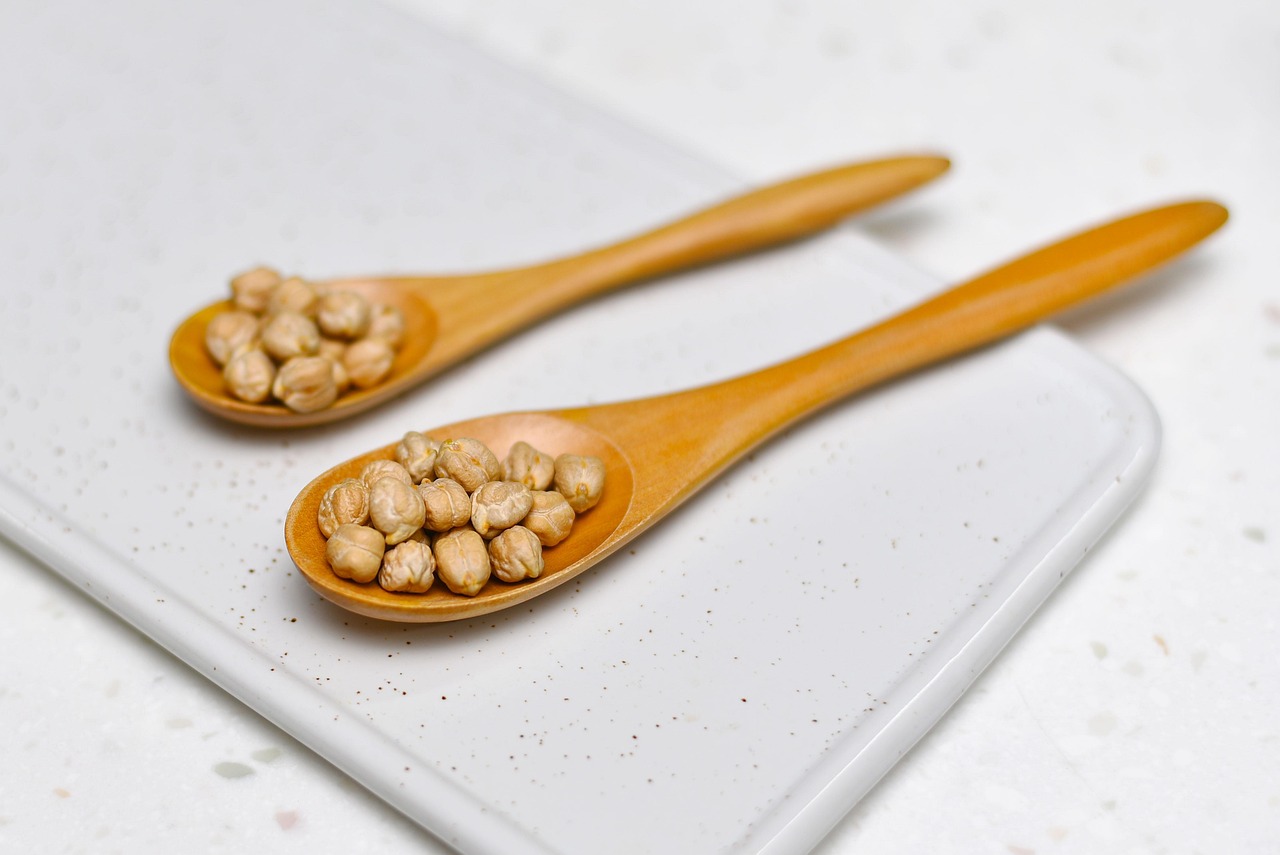
| Fruit, vegetables and legumes | Fresh fruit and vegetables, potatoes, dried legumes, raw whole nuts | Pre-fried potatoes, potato salads, cooked legumes, fried or roasted nuts | Breaded or tempura vegetables |
| Sweets | Pure cocoa, sugar, honey | Chocolates, bonbons, cocoa with flour, candy, ice cream with cones | Pastries and baked goods made with wheat |
| Sauces and soups | Oils, salt, apple or wine vinegar, natural tomato | Ketchup, mayonnaise, mustard, soy sauce, broths, soups, ground spices | Regular soy sauce |
| Drinks | Water, plain coffee, juices, soft drinks, wine, cava, cider, whisky, vodka, gin | Gluten-free beer, liqueurs, sangria, tinto de verano, horchata | Regular beer |
Two FACE warnings are worth remembering. Dried legumes should be sorted by hand before cooking, because they can contain wheat grains, and they should never be bought loose. And for sliced products, like cheese or ham, check the label even though the food itself is safe.
Safe grains and pseudocereals for celiacs
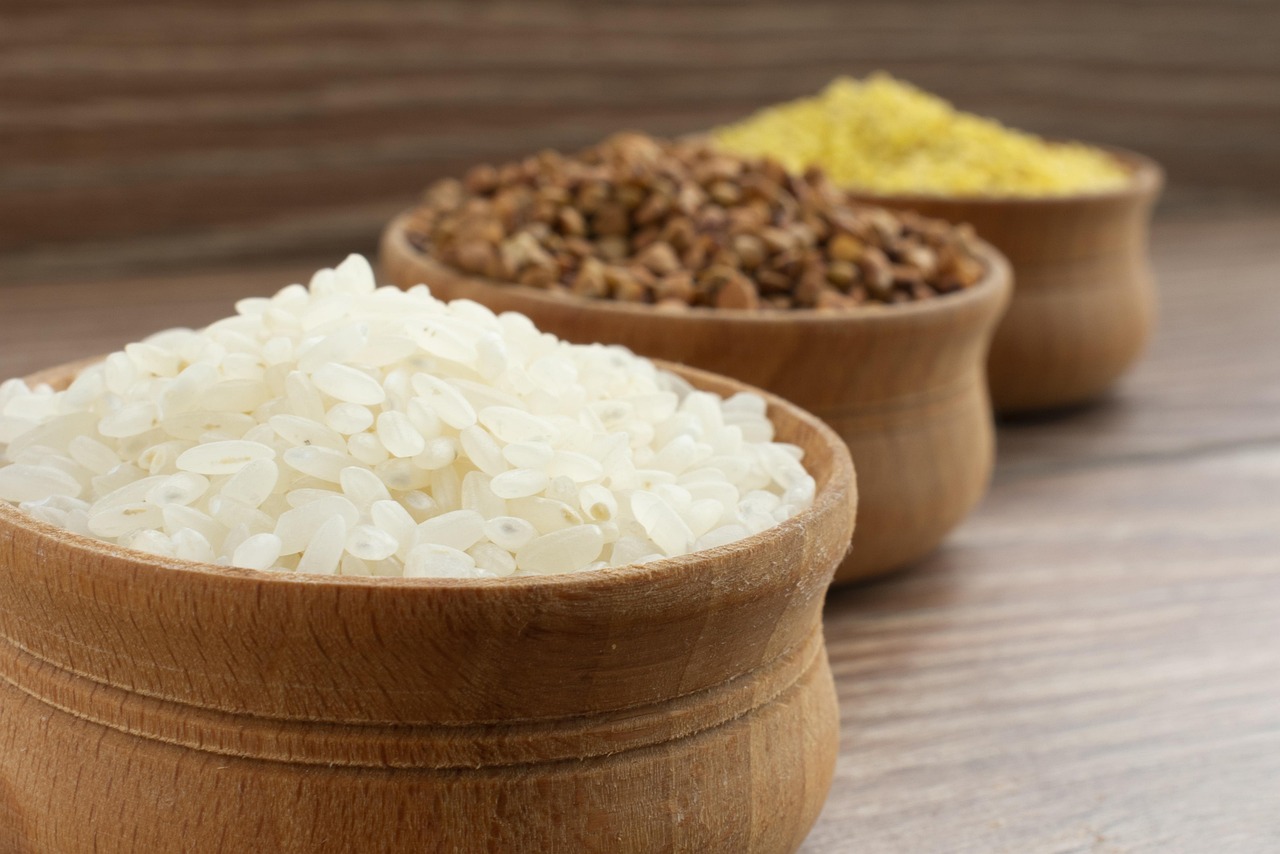
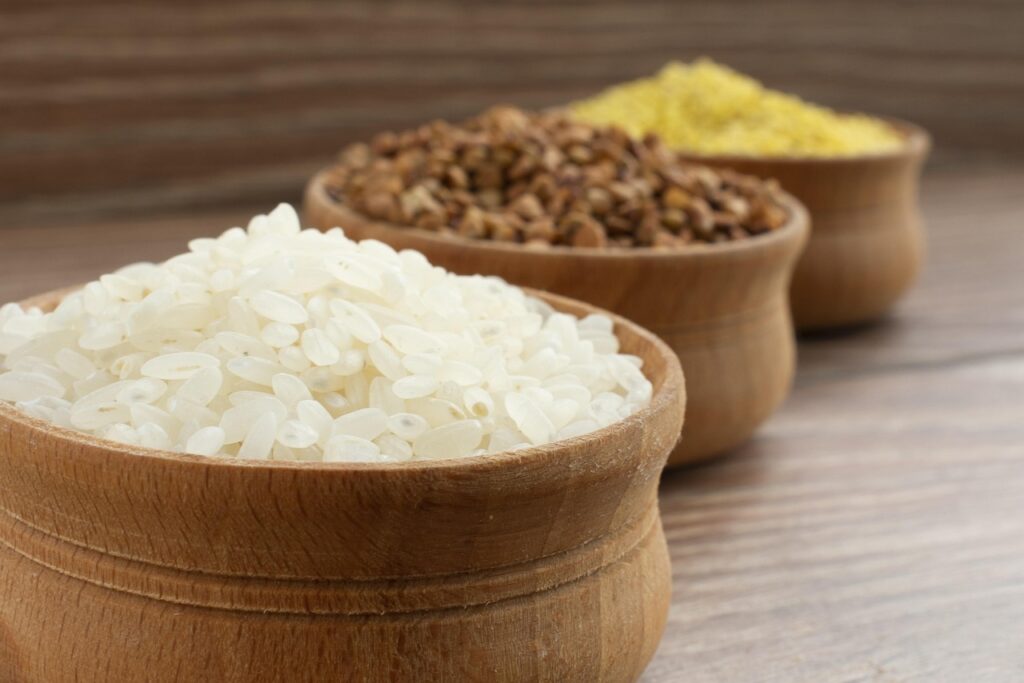
FACE lists eight grains and pseudocereals as safe in whole-grain form: rice, corn, quinoa, amaranth, millet, sorghum, teff and buckwheat. They are gluten-free by nature, but many carry a “may contain traces” warning, so the label still matters. Can celiacs eat rice? Yes, in all its varieties, and the full case is worked through in does rice have gluten?.
Flours follow the same logic. NIDDK counts flours made from potatoes, rice, corn, soy, nuts, cassava, amaranth, quinoa, buckwheat and beans as safe. For bread, where newly diagnosed people stumble most, see does bread have gluten?.
The most searched questions: cheese, eggs, potatoes, chocolate and oats
Can celiacs eat cheese?
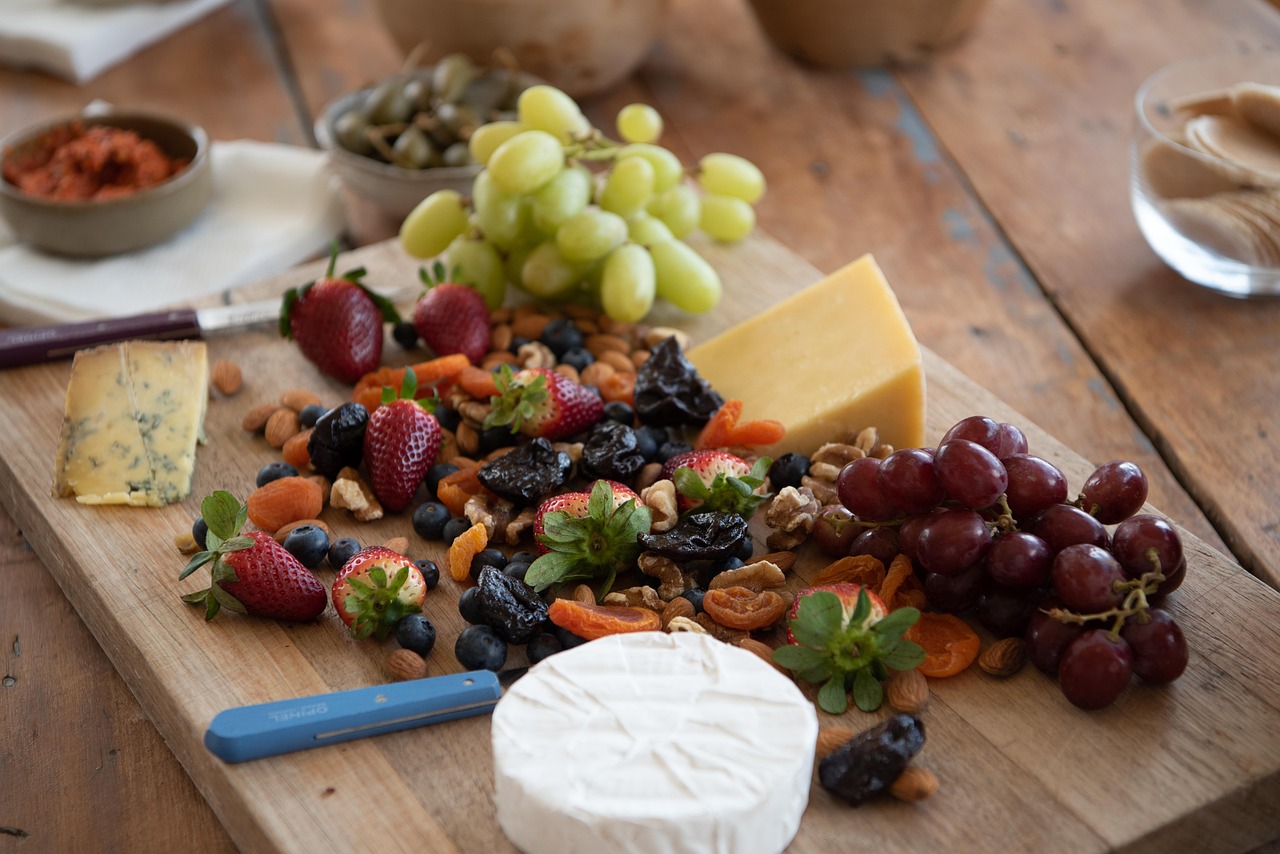
Yes. Whole cheeses, fresh or aged, are conventional for FACE, from Manchego and Parmesan to brie, cheddar or blue cheese. Grated, spreadable, flavored or portioned cheese moves to the specific level, and for sliced cheese the label is worth checking.
Can celiacs eat eggs?
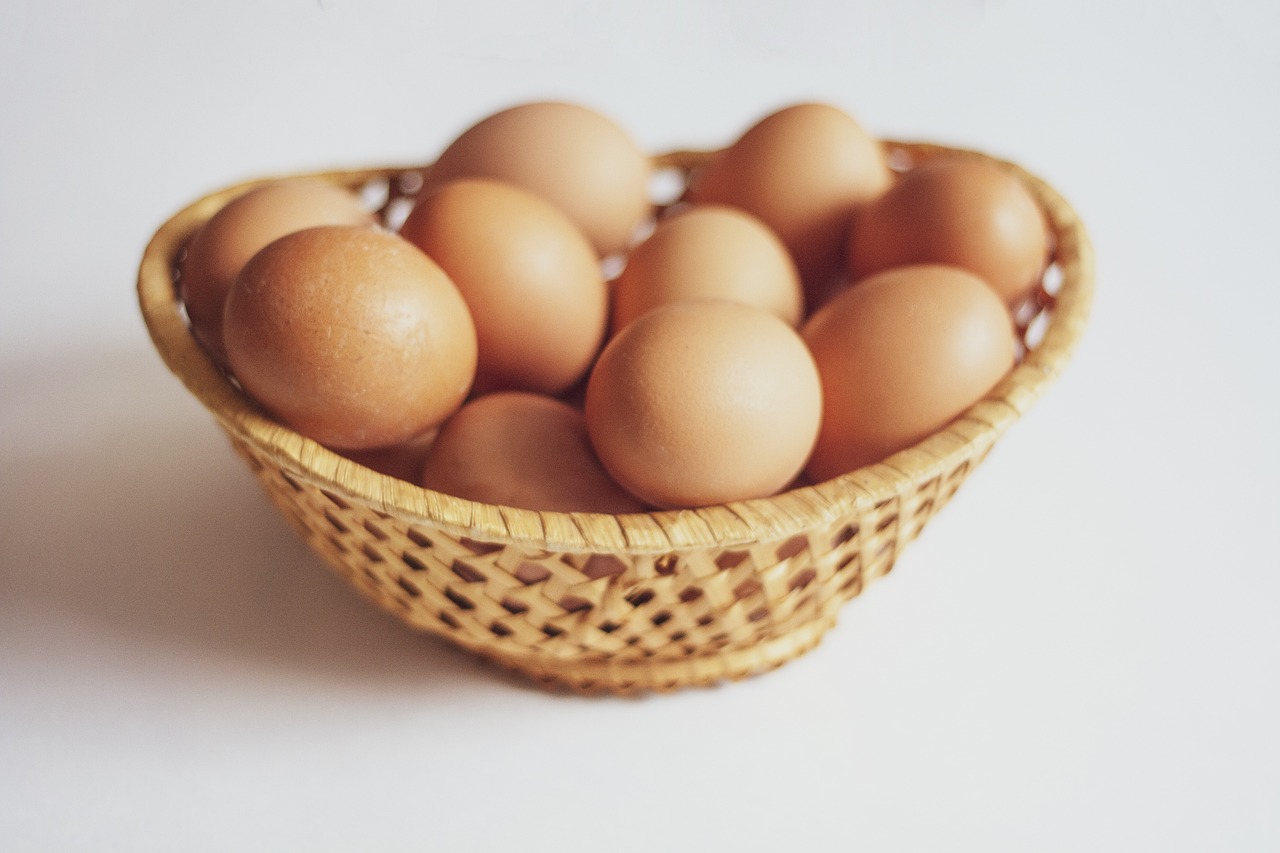
Yes. Fresh, boiled, liquid or dehydrated eggs are safe. The real question is what they are cooked with: an omelet is fine, a breaded egg depends on the coating.
Can celiacs eat potatoes and french fries?
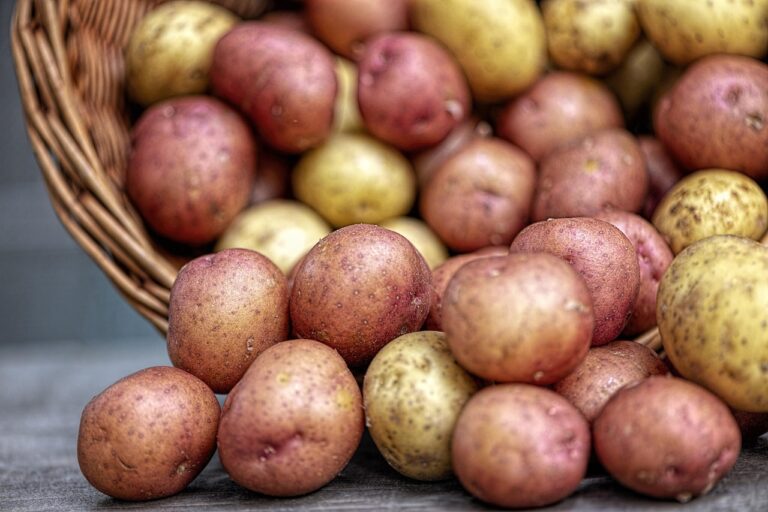
Fresh potatoes are safe. Frozen pre-fried potatoes are a specific product: they only qualify when labelled gluten-free. At a restaurant, the risk is oil shared with wheat breading, a point FACE flags as one of the most common (FACE tips).
Can celiacs eat corn and chocolate?
Whole-grain corn is safe, though check the label for traces. With chocolate, pure cocoa is fine; chocolates, bonbons, coatings and cocoa creams only qualify when labelled gluten-free, because some add flour.
And can celiacs eat oats?
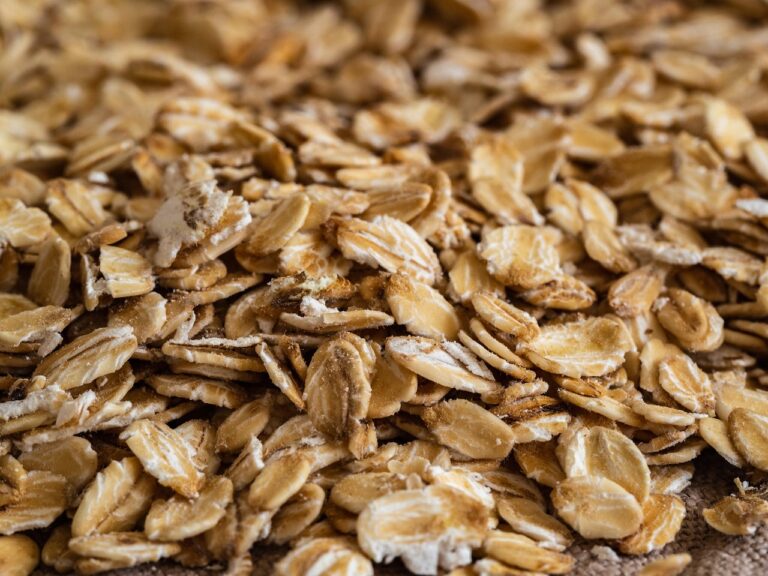
Regular oats are not suitable. Certified gluten-free oats are fine for most celiacs, in moderate amounts and after talking to a doctor or dietitian (NIDDK, NHS). The caution comes from cross-contact with other grains. The detail is in oats and gluten: a guide for celiacs.
If dairy also upsets you at the start, that is common and often temporary: we explain it in gluten free and lactose free.
A sample menu for celiacs: a whole day
What a celiac eats in a normal day looks a lot like what anyone eats, with a couple of changes. These meals for celiacs use only foods from the first two levels:
| Moment | Example |
|---|---|
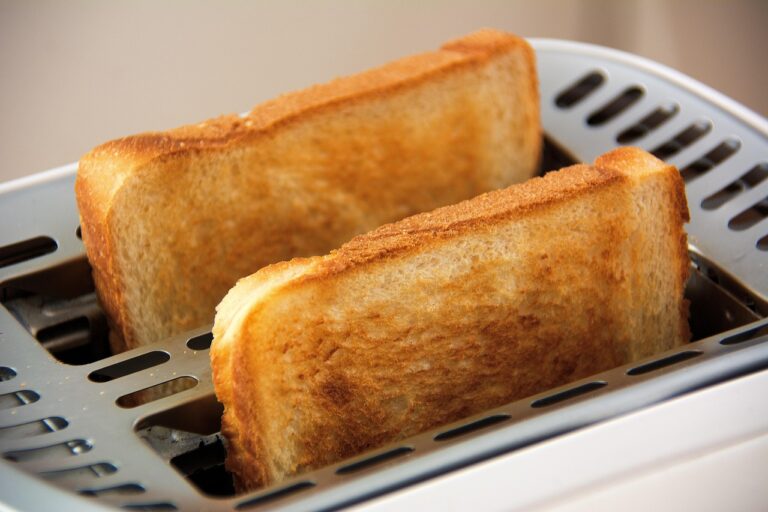
| Breakfast | Gluten-free toast with avocado and egg, coffee and fruit |
| Mid-morning | Fruit and a handful of raw nuts |
| Lunch | Rice with vegetables and grilled chicken, salad and plain yogurt |
| Afternoon snack | Fresh cheese with fruit or gluten-free rice cakes |
| Dinner | Baked fish with potatoes and vegetables, and fruit |
To see how a breakfast looks already plated, check our gluten free breakfast in Valencia. And for a longer weekend plan, with savory, sweet and something to share, there is the gluten free brunch in Valencia. A beer on the side has its place too, and does beer have gluten? covers it.
What a celiac can eat at a restaurant
What a celiac can eat at a restaurant depends above all on how the kitchen works. NIDDK recommends telling staff about celiac disease, asking about ingredients and preparation, and asking to speak with the chef if in doubt. Checking the menu online or calling ahead helps too. For breakfast at a cafe, see safe breakfast if you are celiac.
- Safest: grilled meat or fish, vegetables, eggs, rice and boiled potatoes, with the cook’s confirmation.
- Worth asking about: sauces, broths, shared fryers, croutons in salads and any breading.
- What makes it simple: a gluten-free kitchen, where there is nothing to ask.
The cross-contact points, such as shared oil or pasta water, are covered in gluten free diet: the complete guide.
Eating gluten free in Valencia
At Gato Blanco the whole kitchen is 100% gluten free, from the bread to dessert, and certified by ACECOVA. At the restaurant we display the FACE Restauración Gluten-Free seal for 2025 and 2026. We are a gluten free restaurant in Valencia, in La Zaidía, a 7-minute walk from the Serranos Towers. To eat out with confidence, see our restaurant for celiacs in Valencia.
You can order any dish on the gluten free menu without asking what is in it. And an honest note: gluten free covers gluten, and the kitchen also works with dairy, egg and nuts. If you have another allergy, tell us when you sit down.
FAQ
What can celiacs eat in short?
Everything fresh and unprocessed, such as meat, fish, eggs, fruit, vegetables, potatoes, rice, corn and legumes, plus any processed product labelled “gluten-free”. The NHS adds natural dairy such as milk, cheese and butter. Anything made with wheat, barley or rye is out.
Can celiacs eat oats?
Most can, in moderate amounts, but only if the oats are certified gluten-free. NIDDK and the NHS warn that oats are often contaminated with other grains during growing or processing. It is worth discussing it with your doctor or dietitian first.
Can celiacs eat french fries?
Potatoes are safe, but frozen pre-fried potatoes only qualify when labelled gluten-free, according to the FACE classification. At a restaurant, the risk is a fryer shared with wheat breading, so ask whether the oil is used only for gluten-free food.
Can celiacs eat cheese and eggs?
Yes. FACE classifies fresh eggs and whole cheeses, fresh or aged, as safe. Grated, spreadable or flavored cheeses only qualify when labelled gluten-free, and for sliced cheese it is worth checking the label before you buy it, even if you know the brand.
Can celiacs eat chocolate?
Pure cocoa is fine. Chocolates, bonbons, coatings and cocoa creams only qualify if the pack says gluten-free, according to FACE, because some add flour or wheat-based ingredients. Check the label every time, including brands you already know, because recipes change.
How do I know if a product is safe for celiacs?
Look for the “gluten-free” claim, which in the European Union requires less than 20 ppm of gluten, the only limit FACE considers safe. “Very low gluten” (20 to 100 ppm) is not suitable for celiacs. If a processed product has no claim, leave it on the shelf.
What can a celiac eat at a restaurant?
Grilled meat or fish, vegetables, salads without croutons, rice, potatoes and eggs, as long as the cook confirms there is no contact with gluten. NIDDK recommends telling staff about celiac disease, asking about ingredients and preparation, and asking to speak with the chef. A gluten-free kitchen removes the risk.
Sources
- FACE: Classification of foods suitable for celiacs 2021, Learn to read labels and Tips for a gluten-free diet.
- NIDDK (United States): eating, diet and nutrition in celiac disease.
- NHS (United Kingdom): coeliac disease treatment.
This article is for information only and does not replace seeing a doctor or dietitian. FACE updates its classification: always check the current version and the product label.