Eating gluten free means avoiding wheat, barley and rye in everything you eat, not just bread and pasta. It is the only safe diet for someone with celiac disease, and NIDDK notes it needs to be lifelong to keep symptoms and intestinal damage from coming back.
Gluten hides in sauces, cured meats, medications and even the toaster the rest of the family uses. If you want the basics of what it is and where it comes from, start with what is gluten.
Published on September 27, 2026 with data from FACE, NIDDK and the NHS.
Short answer: eating gluten free means avoiding wheat, barley and rye in everything you eat, including medications and ingested cosmetics. The “gluten-free” label (under 20 ppm) is the only one safe for a celiac, according to FACE. The most common mistake is in cross-contact at home, with shared toasters, oils and utensils, not the obvious food.
What does eating gluten free mean?
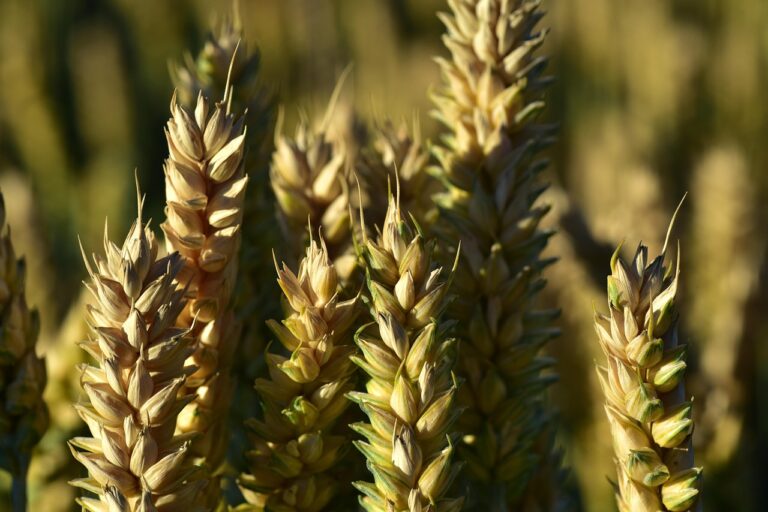
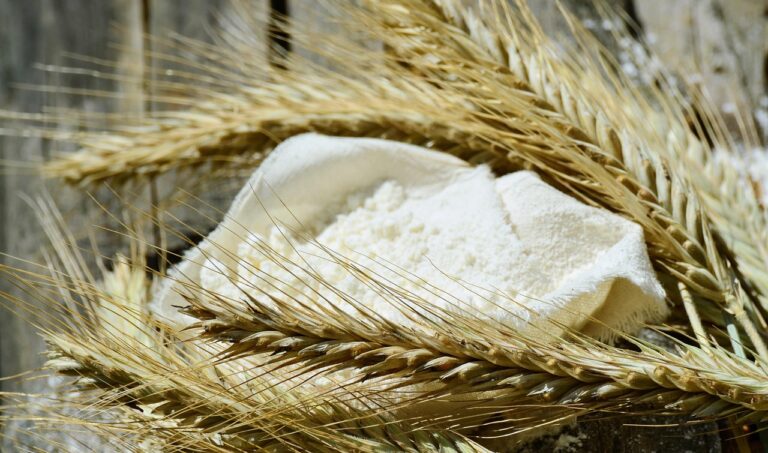
Eating gluten free means removing wheat, barley and rye from your diet, along with anything made from them, according to NIDDK. For someone with celiac disease there is no middle ground: even a small amount, like a spoonful of pasta, can trigger intense digestive symptoms.
After diagnosis, you will usually be referred to a dietitian to help adjust your diet and keep it balanced (NHS). It is rebuilding your whole pantry, not just cutting one food out.
What to eat and avoid on a gluten free diet
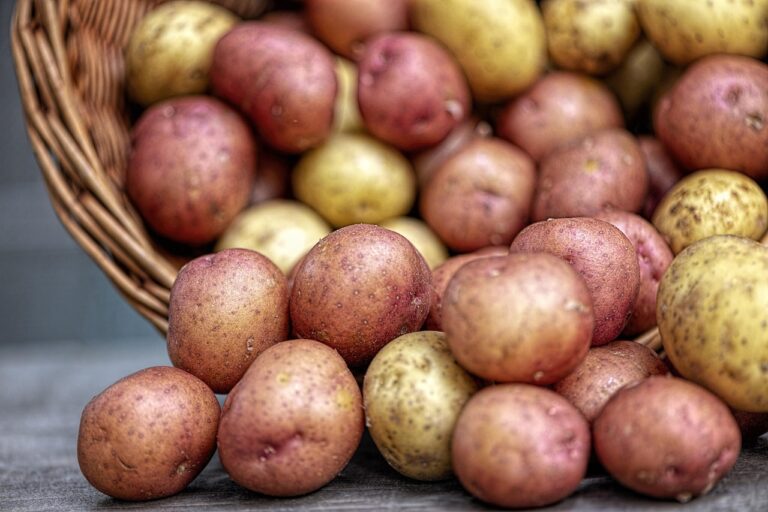
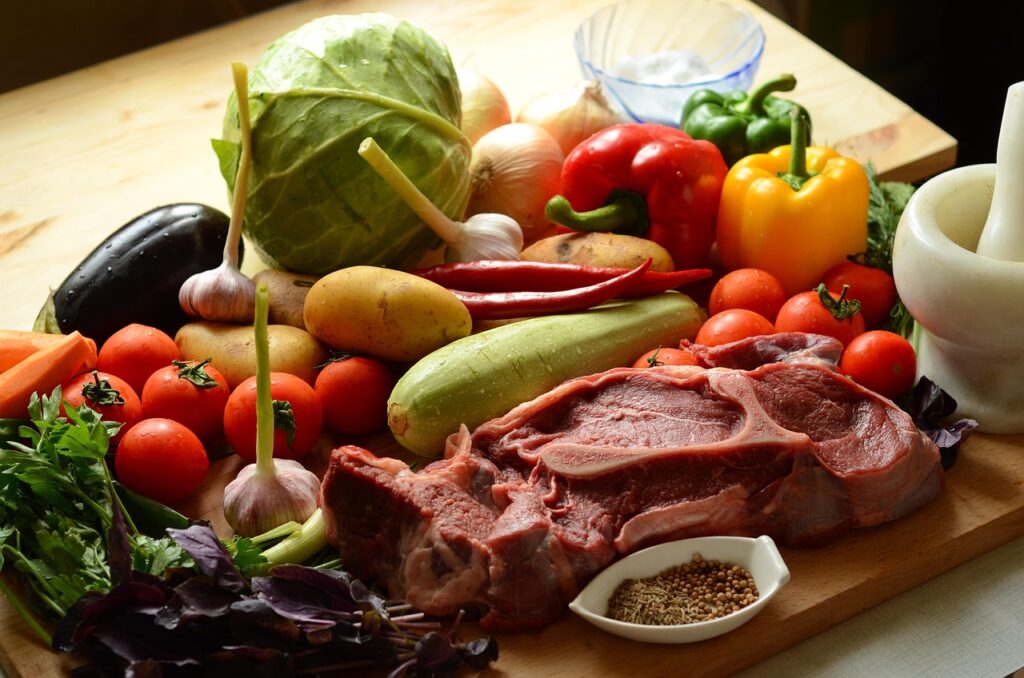
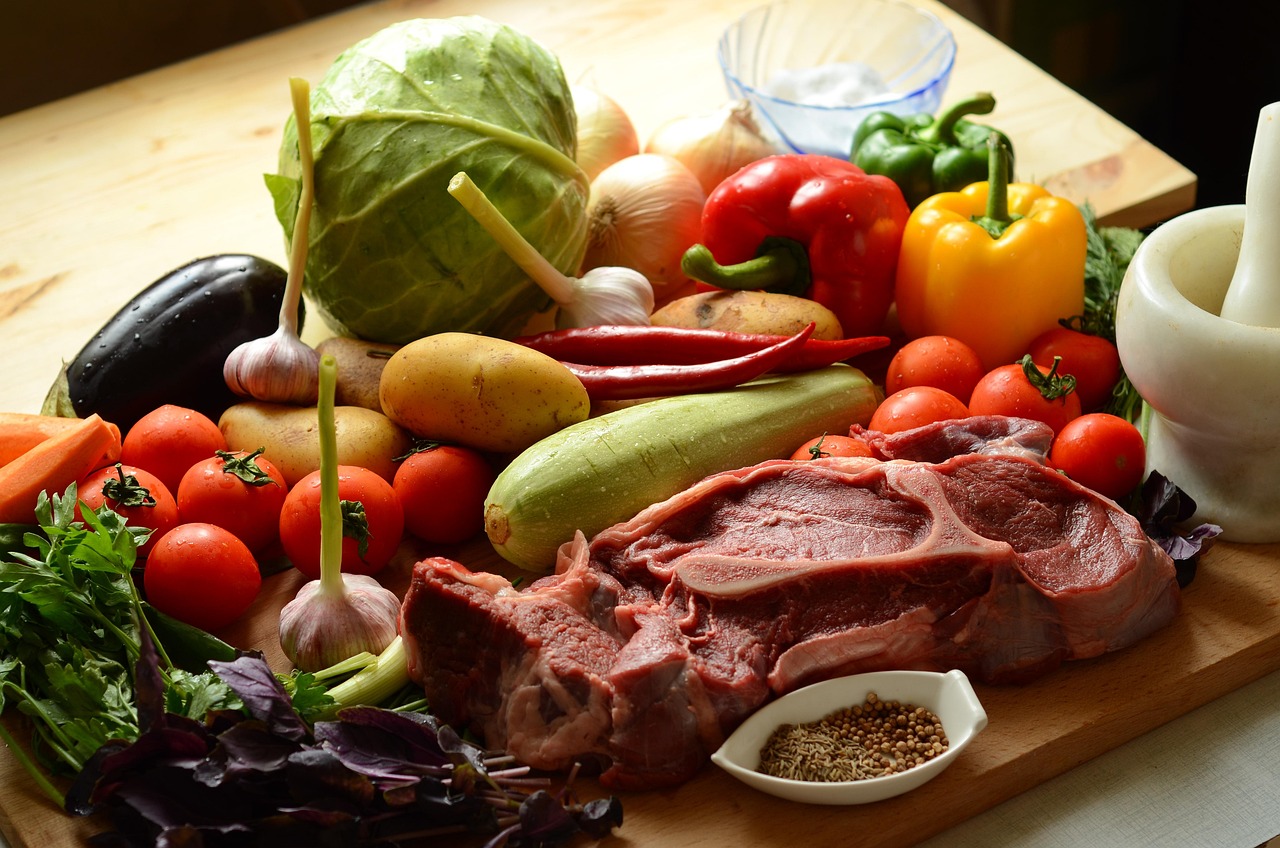
A diet for celiacs built around fresh food removes most of the risk: meat, fish, eggs, vegetables, fruit, legumes, rice and potatoes are naturally gluten free, according to the NHS. The trouble almost always sits in processed foods, not the base ingredient.
| Group | Naturally gluten free | Contains gluten (unless labeled “gluten-free”) |
|---|---|---|
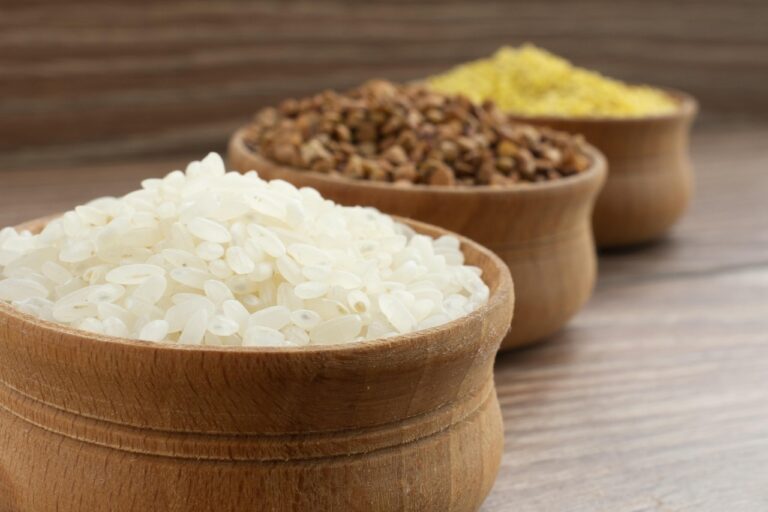
| Grains and flours | Rice, corn, buckwheat, quinoa, millet | Wheat, barley, rye, triticale, conventional oats |
| Bread and pasta | Certified gluten-free versions | Wheat bread, pasta, couscous and bulgur |
| Protein | Fresh meat, fish and eggs | Breaded and battered foods, some cured meats |
| Vegetables and fruit | All, fresh | Sauces and canned goods with wheat-based thickeners |
| Dairy | Plain milk, cheese and yogurt | Some dairy desserts with cookies or cereal |
| Drinks | Wine, cider, certified gluten-free beer | Regular beer, brewed with barley |
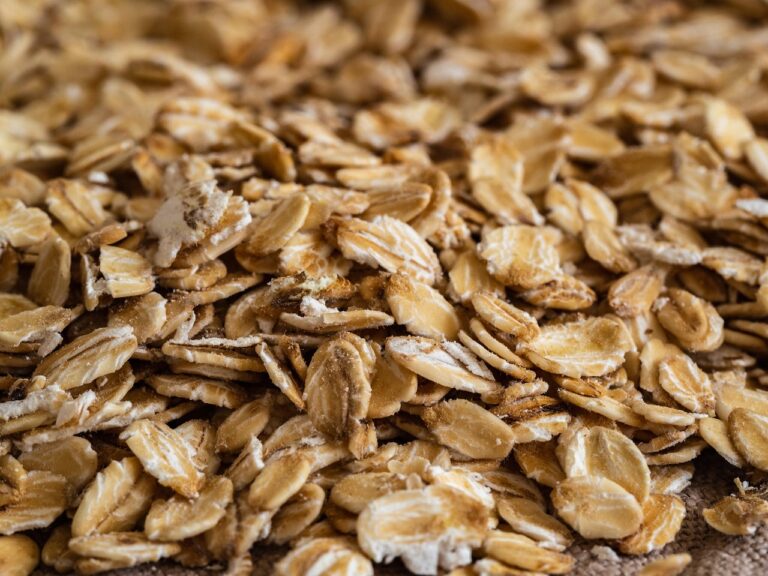
Oats are a gray area: they contain no gluten themselves, but the NHS explains many people with celiac disease avoid them because they often get contaminated with other cereals during farming or processing. If you include oats, make sure they are certified gluten-free. We go into detail in the guide on oats.
For eating gluten free with celiacs in mind, our detailed food-by-food list is in does bread have gluten?, does rice have gluten? and does beer have gluten?, covering the three foods that raise the most doubts. And the list of what you can eat, with FACE’s three levels, is in what can celiacs eat. And if your question is potato, the answer is in do potatoes have gluten?.
How to read gluten-free labels
In the European Union, a product labeled “gluten-free” must contain less than 20 ppm (mg/kg), under Regulation (EU) 828/2014 (FACE). It is the only threshold that guarantees safety for a celiac.
The same regulation allows a “very low gluten” claim for products between 20 and 100 ppm. FACE is clear: that amount can still damage a celiac’s intestine, so the only claim you should trust is “gluten-free,” with no qualifiers.
Regulation (EU) 1169/2011 also requires gluten and the other 13 mandatory allergens to be highlighted typographically in the ingredients list, whenever they are intentionally present. Traces are different: there is no regulated limit for them, and declaring them is voluntary, unless the manufacturer’s own hazard analysis flags a cross-contact risk (FACE).
Cross-contact: the mistake that ruins the diet at home
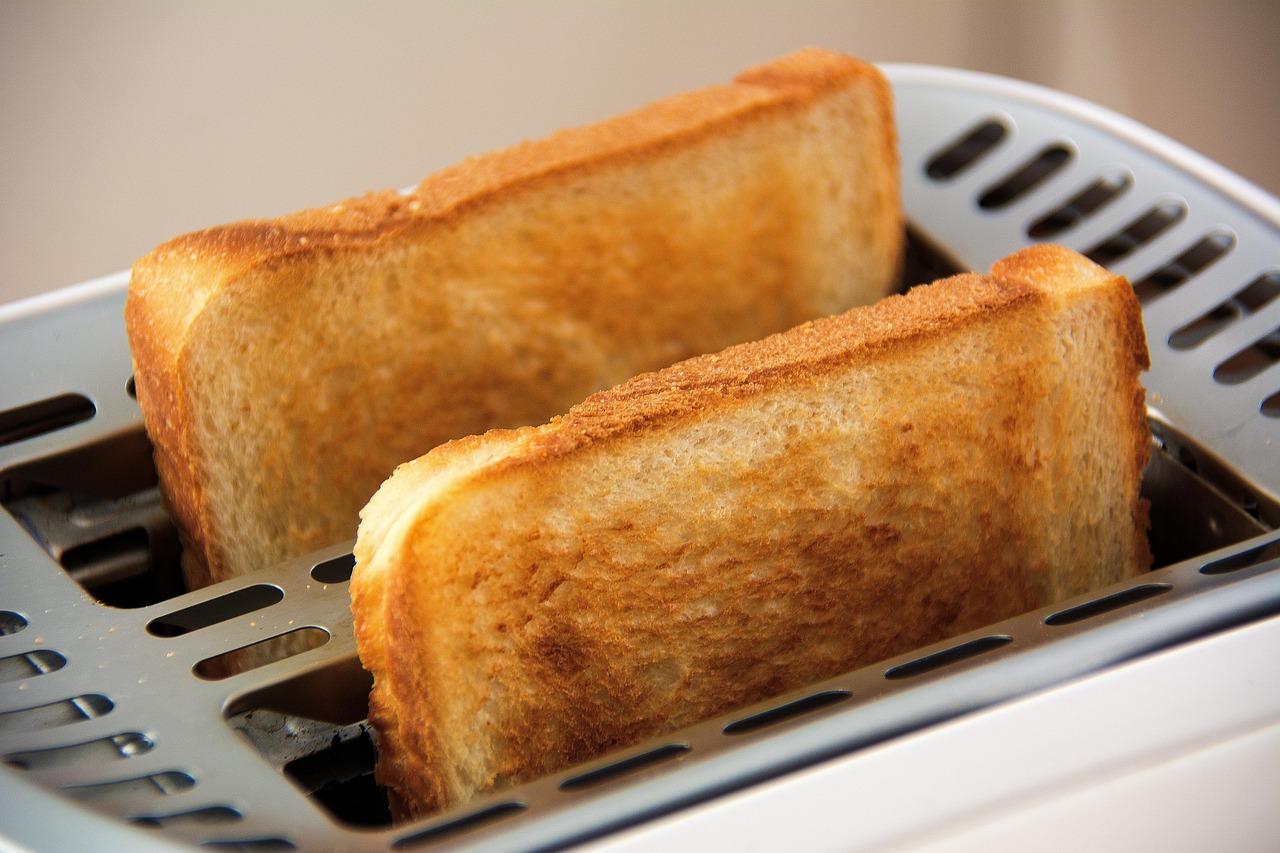
Cross-contact happens when a gluten-free food touches a surface, an oil or a utensil that previously touched gluten. It is the most common mistake, and it derails a diet even when nobody eats bread on purpose.
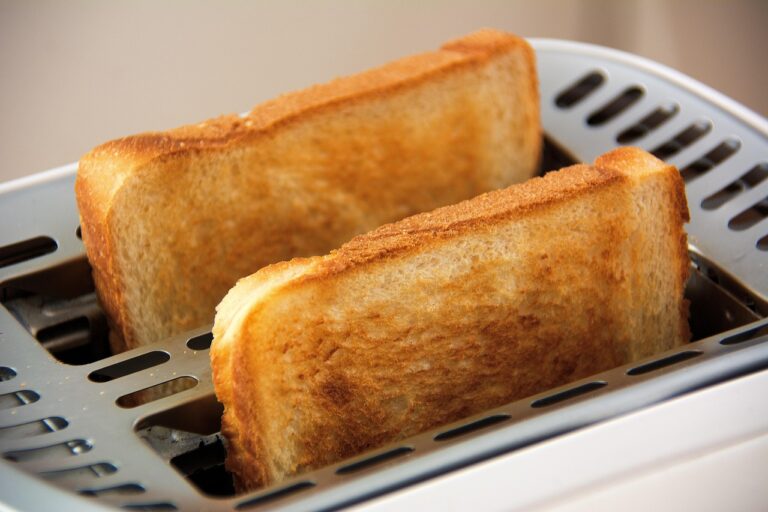
FACE recommends a dedicated toaster, cutting board and frying oil for gluten-free food, and avoiding bulk-bin products, which carry a higher contamination risk. In a home with a celiac member, removing wheat flour from the shared kitchen is the simplest fix.
The risk spikes when eating out: shared frying oil for gluten and gluten-free food, or pasta cooking water, are the most common culprits (FACE). Always ask how a dish is prepared, not just what is in it. For breakfast, see the safe breakfast at a cafe guide.
Starting a gluten free diet without mistakes
The first days are the hardest. A pantry overhaul this fast is disorienting, and it is easy to buy something with traces, or with “very low gluten” on the label, by mistake.
- Check your entire pantry, not just bread and pasta: sauces, stock, cured meats and snacks are the ones that catch people out.
- Buy fresh, unprocessed food whenever you can: it is gluten free by default and does not depend on a label.
- See a dietitian if you have just been diagnosed, to keep your gluten free nutrition balanced and avoid gaps during the change (NHS).
- Learn to read labels before you shop: it saves returns and scares later.
- Tell the people around you, at work, school and home, what you can eat and why cross-contact matters (FACE).
Symptoms typically improve considerably within weeks, though the NHS notes the gut can take up to a couple of years to heal completely. Patience is part of the process.
Gluten free and dairy free
It is common for a damaged gut to also struggle with lactose at first, because the injury affects the enzyme that digests it. That is why some newly diagnosed celiacs need to remove both gluten and dairy for a while, not gluten alone. Everything that changes when you combine both diets is in gluten free and lactose free: the complete guide.
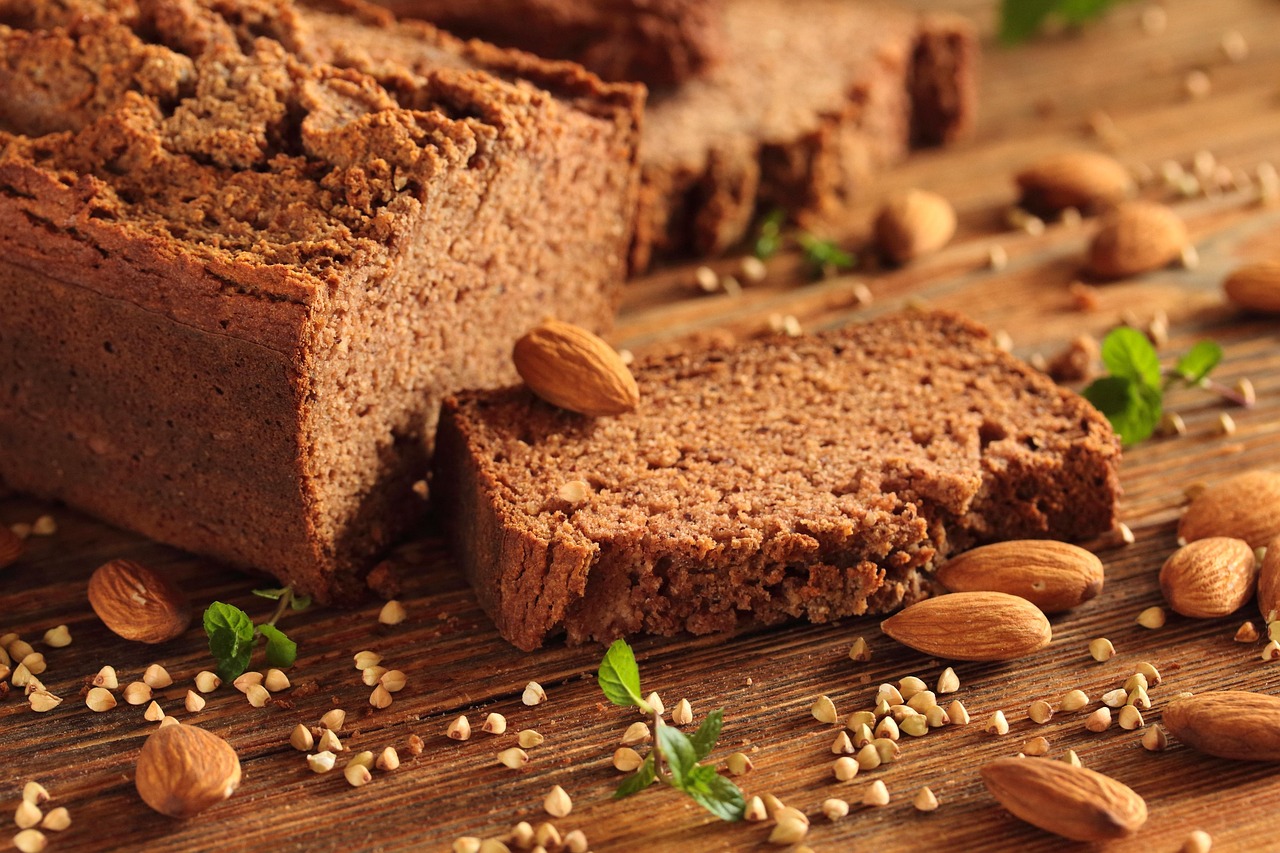
If that is your case, gluten free breakfast has ideas already built without added dairy, with step-by-step recipes, a solid start for any gluten free weekly menu.
Where to eat gluten free
Finding places for a gluten free diet outside home feels intimidating at first, and for good reason: not every restaurant that claims gluten-free options actually controls cross-contact. The safest bet is a venue certified or reviewed by a local celiac association.
In Valencia, Gato Blanco is one of those places: the whole kitchen is gluten free, not a menu with a few separate options.
Benefits and risks of a gluten free diet
The benefit of eating gluten free, for a celiac, is direct: the gut recovers and symptoms improve (NIDDK). Outside celiac disease, non-celiac gluten sensitivity or wheat allergy, there is no evidence that cutting gluten helps. NIDDK puts it plainly: without a gluten-related problem, your doctor may not recommend this diet.
A gluten free diet also carries its own risks when it is not planned well. Without guidance from a doctor or dietitian, it can fall short on fiber, iron and calcium, and some packaged gluten-free products carry more fat and sugar than their regular version (NIDDK).
And the reverse is true too: skipping the diet when you need it has real consequences. FACE points to osteoporosis as one of them, because intestinal damage makes it harder to absorb the calcium and vitamin D that bones need (FACE).
Medications and gluten
Some medications use wheat, oat, barley or rye starch as an excipient. In Spain, the law requires it to be declared on the package leaflet, technical sheet and label (FACE). If you are unsure about a specific medication, ask your pharmacist.
Eating gluten free in Valencia
At Gato Blanco the whole menu is gluten free, from the bread to the dessert, and the kitchen is certified by ACECOVA, the Celiac Association of the Valencian Community. We are a gluten free restaurant in Valencia, in La Zaidía, and you can choose any dish from the gluten free menu without asking what is in it. If you have another allergy, ask us: the kitchen works with dairy, eggs and nuts. To eat out with confidence, see our celiac friendly restaurants in Valencia.
To understand celiac disease first, or settle a specific question about diagnosis or intolerances, see what is celiac disease?, home test to know if you are celiac and gluten intolerance, allergy or sensitivity. Want to try it? Book a table or write to us from the contact page.
Frequently asked questions
What does “very low gluten” mean on a label?
That the product has between 20 and 100 ppm of gluten, a level that still damages a celiac’s intestine, according to FACE, the Spanish celiac federation. The only safe claim is “gluten-free,” under 20 ppm. Skip anything labeled “very low gluten.”
What is cross-contact and how do you avoid it at home?
It is when a gluten-free food touches surfaces, oil or utensils that have touched gluten. FACE recommends a separate toaster, cutting board and frying oil, and removing wheat flour from a shared kitchen if someone celiac lives there.
How long until symptoms improve on a gluten free diet?
Symptoms typically improve considerably within weeks, according to the NHS, although the gut can take up to a couple of years to heal completely. That is why there is an annual doctor review after diagnosis.
Is a gluten free diet healthier if you are not celiac?
There is no evidence of that. NIDDK notes that without celiac disease or another gluten-related problem, a doctor may not recommend a gluten-free diet, and packaged gluten-free products sometimes carry more fat and sugar than their regular counterparts.
Can medications contain gluten?
Yes, some use wheat, oat, barley or rye starch as an excipient. In Spain, the package leaflet must declare it by law, according to FACE. If you are unsure about a specific medication, check with your pharmacist.
Is there a gluten free and dairy free diet plan I can download?
We do not offer a downloadable plan here, because every case combines allowed foods differently. We cover it in detail, with what to stock and what to avoid, in our gluten free and lactose free guide.
Sources
- FACE: Tips for a gluten-free diet, Learn to read the label, Consequences of not following the gluten-free diet and How to know if a medication has gluten. In Spanish.
- NIDDK (US): eating, diet and nutrition for celiac disease.
- NHS (UK): coeliac disease treatment.
This article is for information only and does not replace a doctor’s or dietitian’s advice. If you have just been diagnosed, ask for a nutrition referral before overhauling your diet on your own.