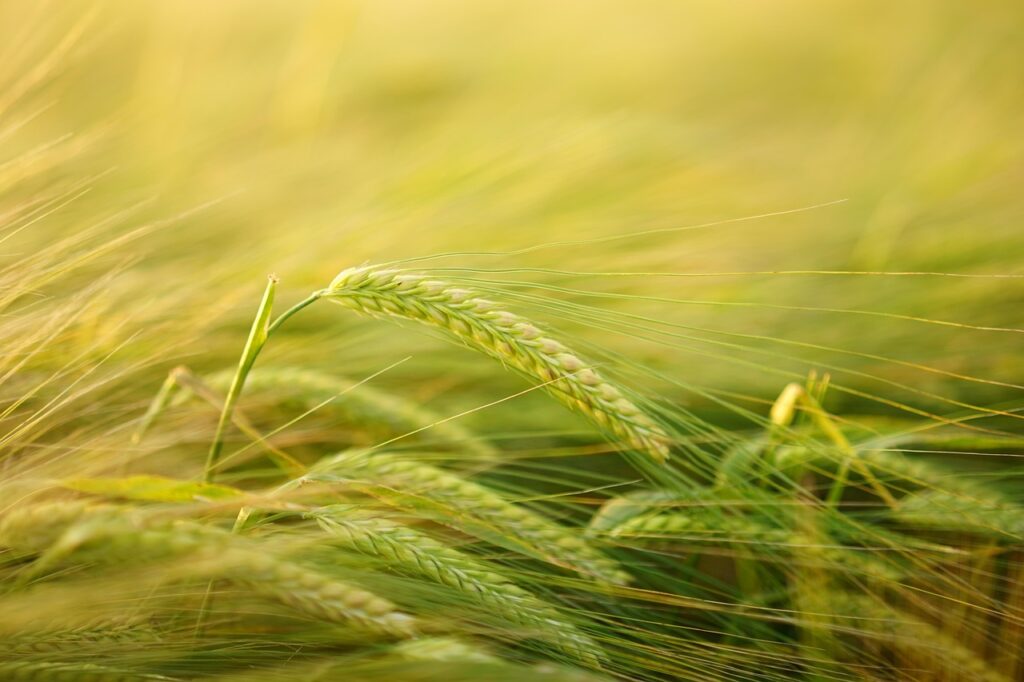
Yes, rye has gluten, and so does barley. Both are gluten-containing cereals under EU regulation, and FACE classifies them as not suitable for celiacs. Barley malt, which appears on many labels, inherits the problem.
Here is what each source says, where these cereals hide and how to recognize them on a label. If you need the basics first, start with what is gluten.
Published on October 23, 2026 with data from FACE, the NHS, NIDDK, the SEEN and EU regulations.
Short answer: rye and barley have gluten. FACE classifies them as not suitable for celiacs and EU regulation lists them among the cereals containing gluten. Malt, malt extract and malt syrup come from barley and do not work either. Only products with the “gluten free” claim, with less than 20 mg/kg, are suitable.
Does rye have gluten? The clear answer
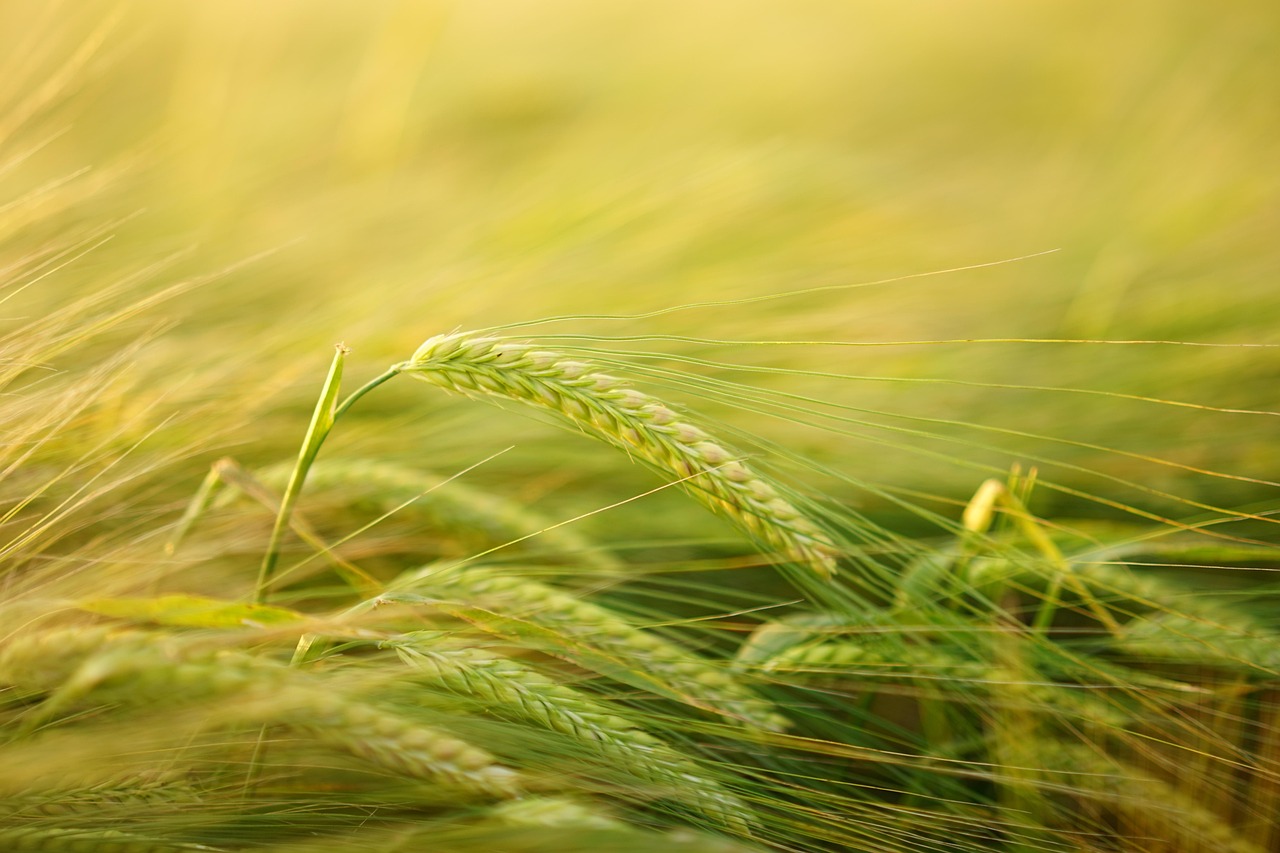
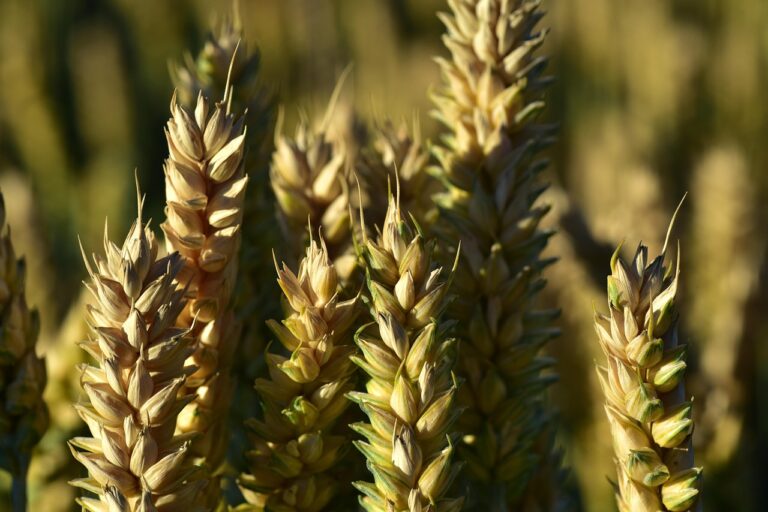
Rye has gluten, and there is no safe way to eat it if you are celiac. The EU food information regulation lists rye among the cereals containing gluten, next to wheat, barley, oats, spelt and kamut (Regulation EU 1169/2011, annex II).
FACE classifies it among the unsuitable cereals, and the NHS names it alongside wheat and barley as the cereals a celiac must remove. Each cereal has its own version of gluten proteins: in rye they are secalins, as explained in what is gluten. To compare it with the rest, see which cereals have gluten.
Rye bread, where most searches land, has its own guide: gluten free bread for celiacs. To see what else belongs in the diet, read what celiacs can eat.
Does barley have gluten? It does too
Barley has gluten, and EU regulation lists it just like rye. Its proteins are hordeins, and FACE includes it among the unsuitable cereals, together with barley flour, starches, semolinas and derivatives.
Barley is the hardest cereal to spot, because it rarely appears as “barley”. It usually hides as malt, and that is where most doubts come from. If you wondered whether barley carries gluten, it does in grain, in flour, in semolina and in any uncertified form.
Does barley malt have gluten?
Barley malt has gluten. The FACE classification lists among the unsuitable products malt breakfast cereals, malt extracts and malt syrups. NIDDK adds that barley may be found in malt, malt extract, malt vinegar and brewer’s yeast.
That is why it pays to read the ingredients and not just the product name. A breakfast cereal, a malt drink or a vinegar with malt can contain barley even if the package never says “barley”. For beer, which is brewed with barley malt, see does beer have gluten?.
Where do rye and barley hide?
These cereals show up in more products than you would expect. This table gathers the most common ones, with what FACE, NIDDK and EU rules say:
| Product | Suitable? | What to know |
|---|---|---|
| Rye and barley grain | No | Cereals containing gluten (EU) and not suitable (FACE) |
| Rye or barley flour, semolina and starch | No | Flours, semolinas and derivatives of these cereals are not suitable (FACE) |
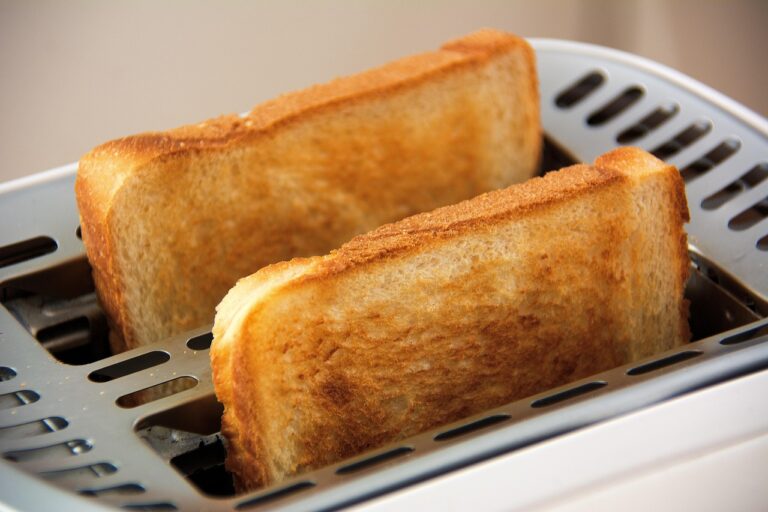
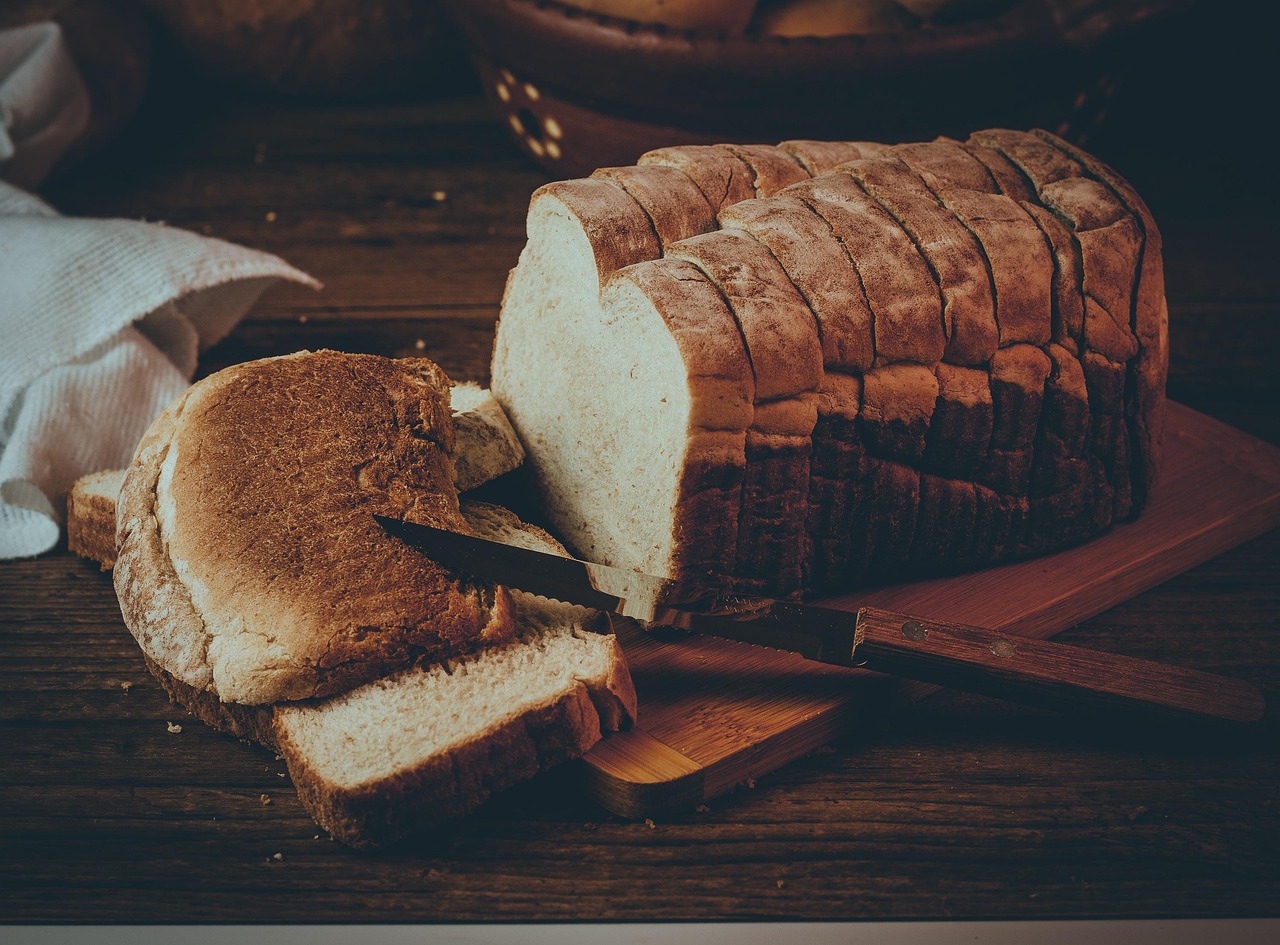
| Rye bread | No | Made with rye flour, which contains gluten |
| Malt, malt extract and malt syrup | No | Barley derivatives (FACE, NIDDK) |
| Malt breakfast cereals | No | Not suitable in FACE’s classification |
| Malt vinegar and brewer’s yeast | Only with “gluten free” | Barley may be found in them (NIDDK) |
| Triticale | No | A cross between wheat and rye (NIDDK) |
| Regular beer | No | Brewed with barley; see the beer guide |
Triticale deserves a line. It is a cross between wheat and rye, and it counts as a gluten-containing cereal. To go through the cereals one by one, see does spelt have gluten? and do oats have gluten?.
How do you spot rye and barley on a label?
- Look for the highlighted allergen. The rules require cereals containing gluten to be emphasized, and rye and barley are among them, according to the SEEN.
- Read the ingredients in case “malt”, “malt extract”, “malt syrup” or “brewer’s yeast” appear.
- Check the “gluten free” claim. A product with that claim contains less than 20 mg/kg of gluten (Regulation EU 828/2014).
- Be wary of “very low gluten”. It allows up to 100 ppm, an amount that damages the celiac intestine according to the SEEN, and that FACE does not recommend.
- If in doubt, do not eat it. It is FACE’s rule.
To organize a complete diet, see gluten free diet: complete guide 2026.
Which grains do work instead of rye and barley?
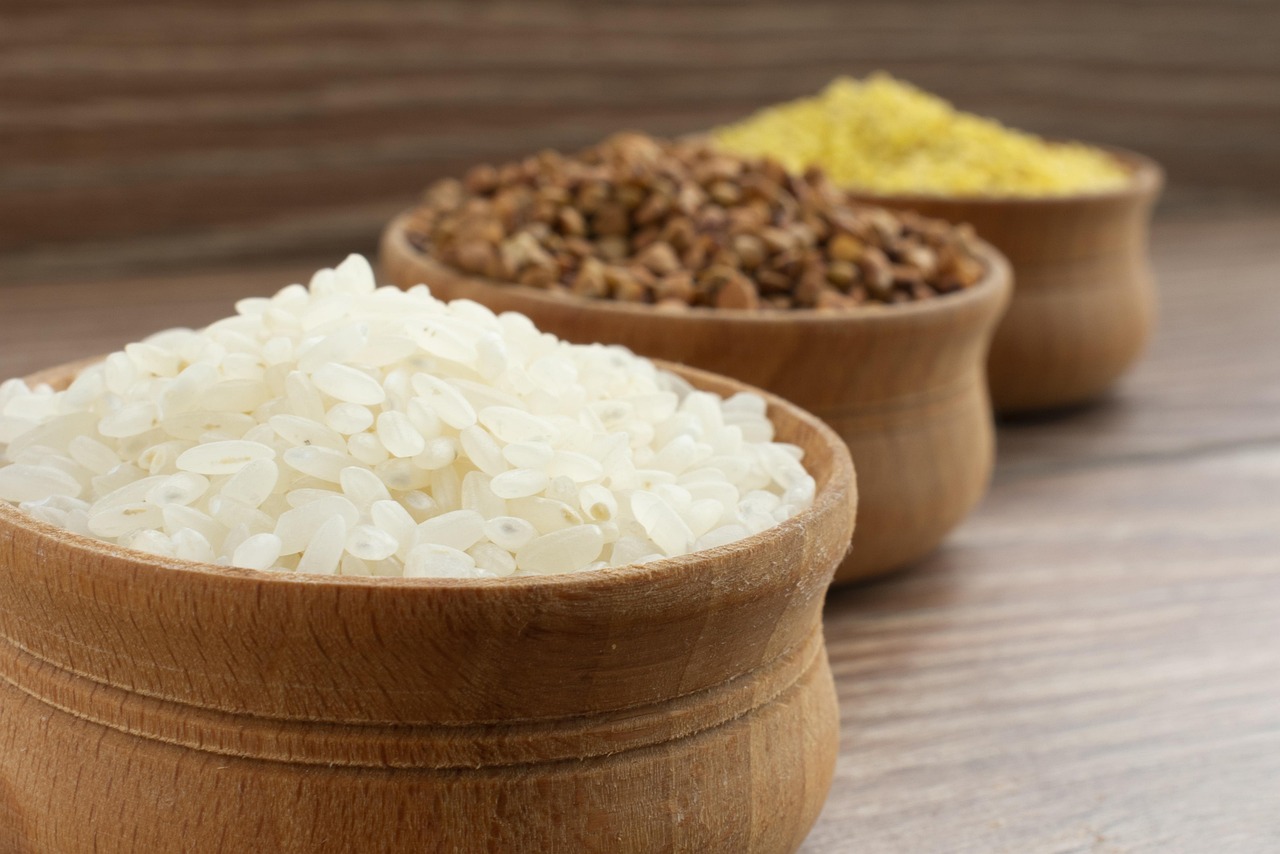
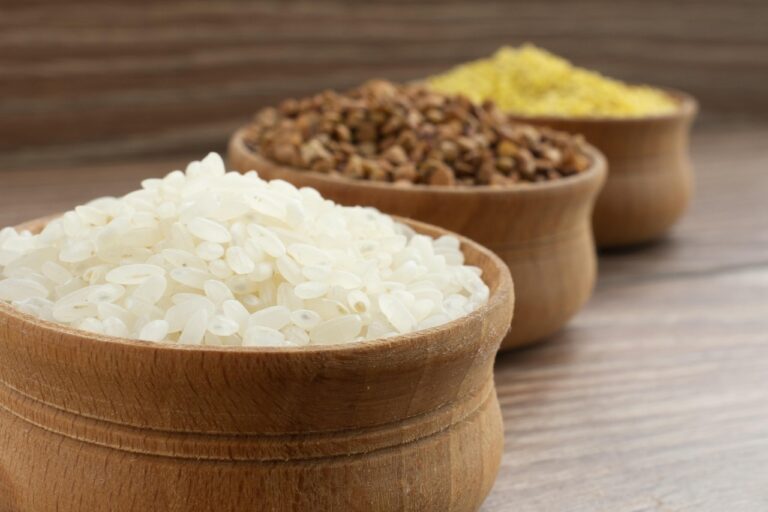
FACE’s classification includes among the suitable cereals and pseudocereals rice, corn, quinoa, amaranth, millet, sorghum, teff and buckwheat, always in grain form. FACE advises checking the label, because many carry traces of gluten.
To start with the most common ones, see does rice have gluten?, and for more on what fits on the plate, what celiacs can eat.
Eating gluten free in Valencia
At Gato Blanco the whole kitchen is 100% gluten free. It is certified by ACECOVA and we hold the FACE Restauración Sin Gluten seal for 2025 and 2026, so there is no wheat, rye or barley in the kitchen.
If you want to know whether a dish contains a specific ingredient, ask the team: we have written allergen information for every dish. Gluten free covers gluten, and in the kitchen we also work with dairy, egg and nuts.
We are a gluten free restaurant in Valencia in La Zaidía, 7 minutes on foot from the Serranos Towers, and an option if you are looking for a restaurant for celiacs in Valencia with the whole menu safe. You can see every dish on the gluten free menu.
Frequently asked questions
Does rye have gluten?
Yes. EU allergen regulation lists rye among the cereals containing gluten, and FACE classifies it as not suitable for celiacs. Its protein is called secalin. Rye bread, rye flour and rye semolina are all off the table for a person with celiac disease.
Does barley have gluten?
Yes. Barley is one of the gluten-containing cereals in EU rules, and FACE classifies it as not suitable. Its proteins are hordeins. Anything made with barley, including barley flour or semolina, falls outside the gluten free diet.
Does barley malt have gluten?
Yes. Malt comes from barley, and FACE classifies malt breakfast cereals, malt extracts and malt syrups as not suitable. If the ingredient is barley malt, the product only works with the “gluten free” claim.
Is rye bread safe for celiacs?
No. Rye bread is made with rye flour, which contains gluten. A celiac can only eat bread that carries the “gluten free” claim and is not made with wheat, rye or barley.
Does malt vinegar have gluten?
It can. NIDDK, the US health institute, states that barley may be found in malt, malt extract, malt vinegar and brewer’s yeast. Buy a version with the “gluten free” claim or choose another vinegar.
Does triticale have gluten?
Yes. Triticale is a cross between wheat and rye, according to NIDDK, and FACE classifies it as not suitable. EU rules cover it through the hybrid varieties of these cereals.
What should I do if I doubt a product with malt?
Do not eat it. FACE sums it up: when in doubt about whether a product contains gluten, do not consume it. Look for the “gluten free” claim (less than 20 mg/kg). “Very low gluten”, which allows up to 100 mg/kg, does not suit a celiac.
Sources consulted
- FACE (in Spanish): Classification of foods suitable for celiacs 2021.
- NHS (UK): coeliac disease treatment. NIDDK (US): eating, diet and nutrition.
- Spanish Society of Endocrinology and Nutrition (SEEN): Gluten-related disorders, “Convive” (in Spanish) (2025).
- European Union: Regulation 828/2014 (“gluten free” claim) and Regulation 1169/2011 (food information, annex II).
This article is informational and does not replace a consultation with a doctor or a dietitian. Product formulations change: always check the label on the package.