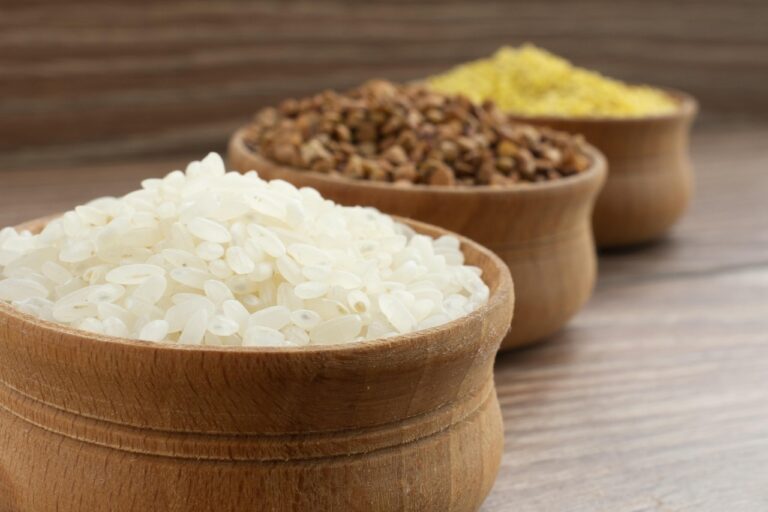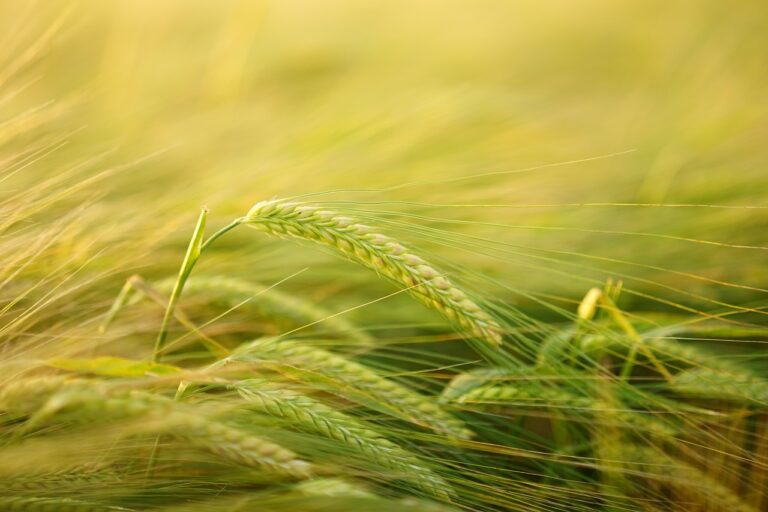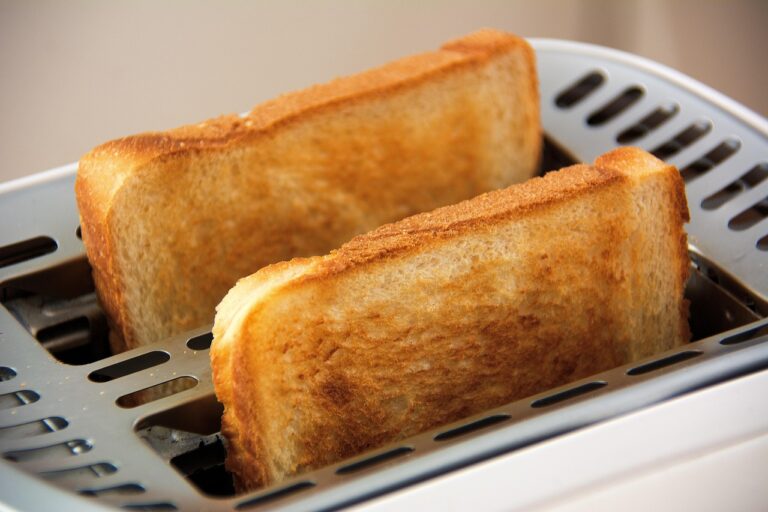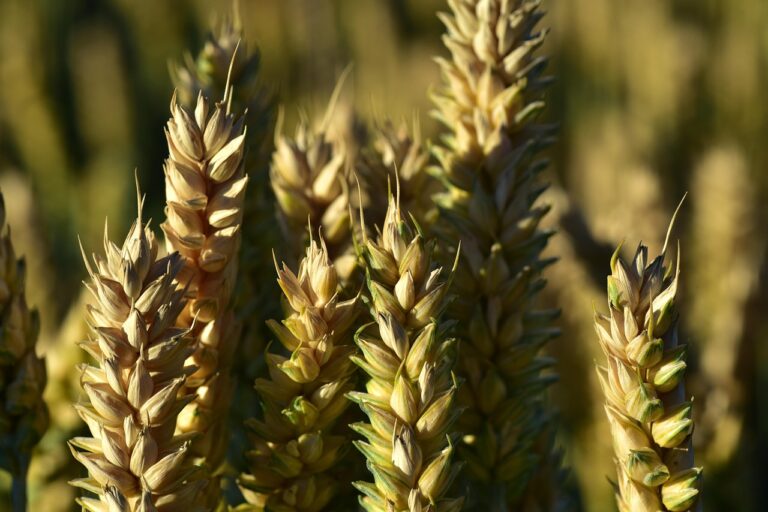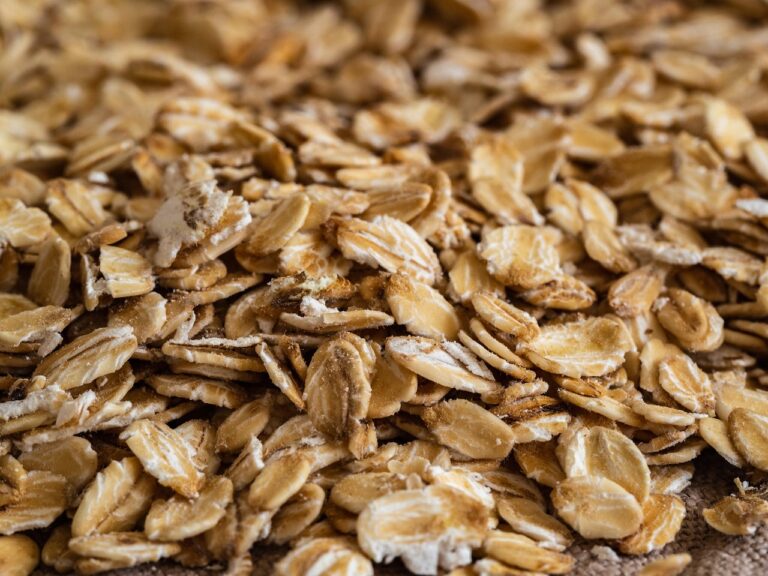
Wheat, spelt, kamut, barley, rye, triticale and uncertified oats contain gluten, and so does everything made with them. That includes bread, pasta, pastry, flour, semolina, coatings and beer. Unprocessed natural foods do not.
The hard part is processed products, because gluten shows up where you least expect it. Here is a list by category, with what FACE’s classification says, and how to check the rest. If you need the basics first, start with what is gluten.
Published on October 25, 2026 with data from FACE and EU regulation.
Short answer: wheat, spelt, kamut, barley, rye, triticale and uncertified oats contain gluten, and so does everything made with them, such as bread, pasta, pastry, beer and coatings. Unprocessed natural foods are suitable. Processed ones only work with the “gluten free” claim.
Jump straight to a category:
- Cereals and flours
- Meat and cold cuts
- Fish and seafood
- Dairy
- Eggs
- Fruit, vegetables and tubers
- Legumes
- Nuts and seeds
- Drinks
- Sugar, sweets and chocolate
- Sauces, spices and seasonings
- Bread, pasta and baking
- Oils, butter and yeast
Which foods contain gluten?
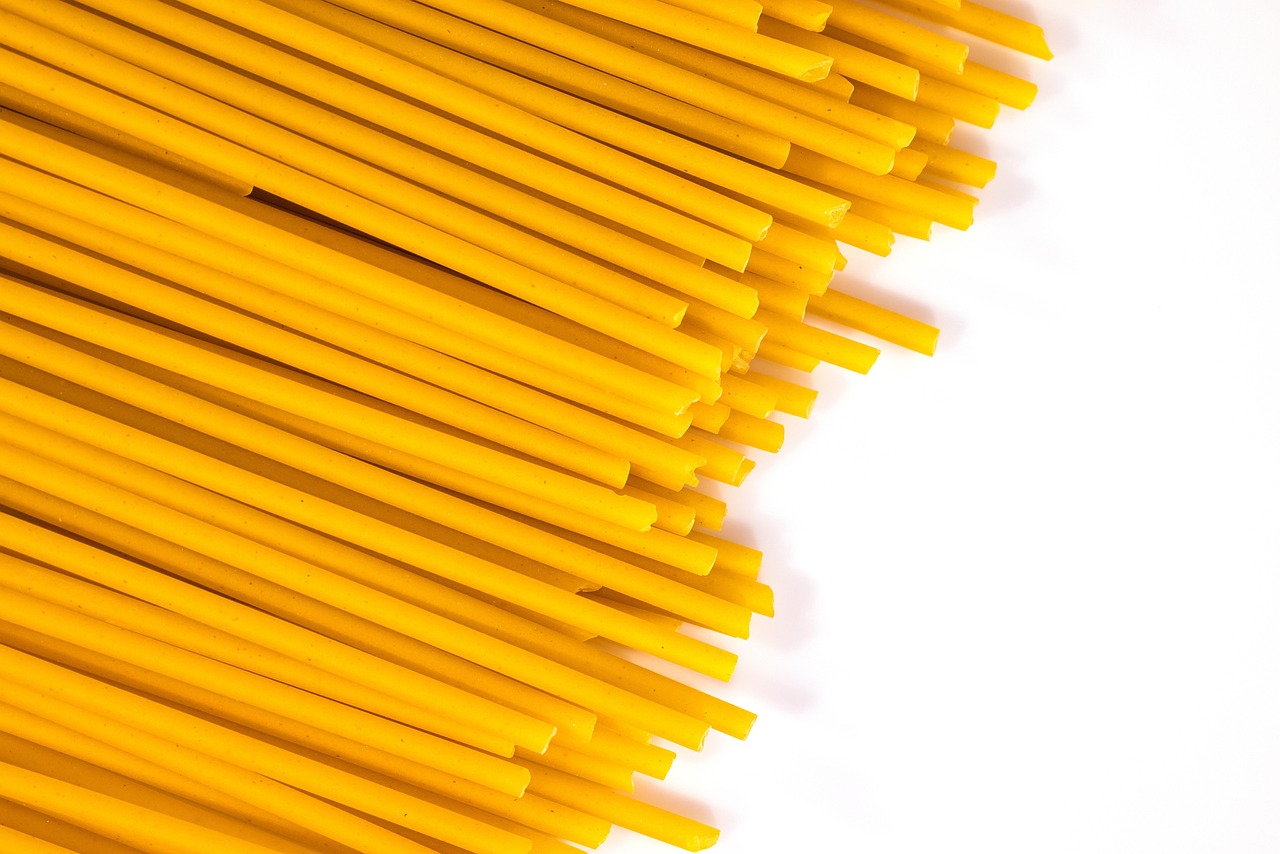
The foods that contain gluten are those made with any of the gluten-containing cereals or their derivatives. EU allergen regulation lists them: wheat, rye, barley, oats, spelt and kamut (Regulation EU 1169/2011, annex II). Each one has its guide: cereals with and without gluten, spelt, rye and barley and oats.
By extension, bread, pasta, pastry, cookies, beer and ordinary coatings contain gluten. Bread, beer and potatoes have guides of their own: gluten free bread, beer and potatoes.
The opposite matters too. Everything natural and unprocessed is suitable, and that is what what celiacs can eat is about. The table below sorts both worlds by category.
What do the three levels of FACE’s classification mean?
The FACE food classification divides foods into three levels. Understanding them avoids most mistakes:
- Conventional: foods suitable as they are, with no label needed. They are the base: fresh meat and fish, eggs, milk, fruit, vegetables or dried legumes.
- Specific: processed products that, depending on the brand, may contain gluten. They only work with the “gluten free” claim or after checking the label.
- Not suitable: foods that contain gluten, or that cannot be checked, such as bulk products.
Think of the level as a traffic light: green, amber and red. The table that follows uses those three for each category.
Which foods contain gluten and which do not? Table by category
This is the complete list to check at a glance, taken from FACE’s classification. The examples are the ones in that classification, not a list of brands:
| Category | Suitable without a label | Only with “gluten free” or after checking the label | Not suitable |
|---|---|---|---|
| Cereals and flours | Rice, corn, quinoa, amaranth, millet, sorghum, teff and buckwheat in grain form | Certified oats, bread, pasta, cookies, flakes and muesli, with “gluten free” | Wheat, spelt, barley, rye, triticale, oats, malt and their flours, semolinas and starches |
| Meat and cold cuts | Fresh meat and offal, cured ham and shoulder, cecina, fresh pork belly, extra quality cooked ham | Burgers, meatballs, chorizo, sausages, mortadella, pâtés, sobrasada, minced meat | None in the classification |
| Fish and seafood | Fresh fish and seafood, frozen unbreaded, smoked, salted, canned in brine or oil | Surimi, gulas, crab sticks, canned in sauce or pickled, gluten free coated fish | Breaded or battered fish |
| Dairy | Milk, plain yogurt, fresh or aged cheese, cream, curd cheese, kefir, curd | Flavored yogurts, spreadable and grated cheese, shakes, plant drinks, flans, custards, cooking cream | Yogurts and milks with cereals |
| Eggs | Fresh and boiled eggs | Threaded and freeze-dried egg | None |
| Fruit, vegetables and tubers | Fresh fruit, fresh, frozen or naturally canned vegetables and tubers, mushrooms, jams | Frozen pre-fried potatoes, cooked vegetables, salads with sauces, shredded coconut, dried figs | Breaded, tempura or battered vegetables |
| Legumes | Dried legumes (check by hand) and naturally canned | Cooked lentils, cooked legume dishes, legume flours | Bulk legumes |
| Nuts and seeds | Raw whole nuts, with or without shell, and natural seeds | Roasted or fried nuts, nut spreads, flours, ground seeds | Bulk nuts |
| Drinks | Wine, cava, cider, gin, rum, whisky, vodka, water, juices, soft drinks, plain coffee | Liqueurs, sangria, isotonic drinks, horchata, coffee substitutes, gluten free beer | Regular beer, alcohol-free included |
| Sugar, sweets and chocolate | Sugar, honey, sweeteners, pure cocoa, licorice stick | Powdered sugar, chocolates, bonbons, cocoa spreads, candy, gum | Bulk sweets |
| Sauces, spices and soups | Salt, whole spices, apple, wine or Modena vinegar, natural tomato | Prepared sauces (ketchup, mayonnaise, mustard, aioli), ground spices, broths, gazpacho, gluten free soy sauce | Regular soy sauce, bulk spices |
| Ready meals and desserts | Plain gelatin, water ice and granitas | “Gluten free” ready meals and pizzas, gelatin desserts, gluten free cones | Bulk ice cream, cones and wafers with gluten |
| Vegetarian diets | None without checking | Tofu, tempeh, miso, tahini, veggie burgers, cold cuts and pâtés | Seitan |
| Oils, yeast and baking | Oils, traditional butter, fresh yeast, baking soda | Margarines, baking powder, “gluten free” brewer’s yeast | Brewer’s yeast, Three Kings’ cakes, polvorones and mantecados with gluten |
The level of each food can change from one brand to another, which is why the table lists families, not specific products. To organize a full day with them, see gluten free diet: complete guide 2026, and if you also watch lactose, gluten free and lactose free.
List of gluten free and gluten foods, one by one
This is the complete list by category, sorted from suitable to not suitable foods. Each card carries its photo and its level: green for a suitable food, amber for one that needs a label check and red for one that contains gluten.
Cereals and flours: which ones have gluten and which do not
FACE classifies rice, corn, quinoa and buckwheat as suitable in grain form, although it advises checking the label for traces. Oats only work if certified, and wheat, barley and rye contain gluten.

Rice
In grain form and packaged. Check the label for traces.
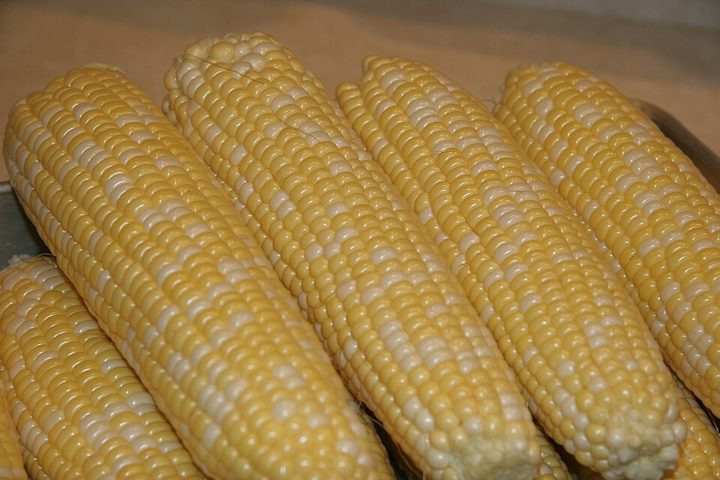
Corn
In grain form. Check the package label.
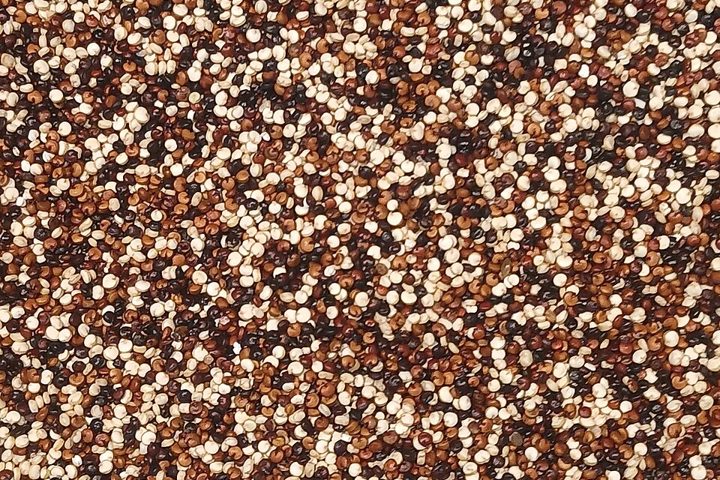
Quinoa
In grain form. Check the label for traces.
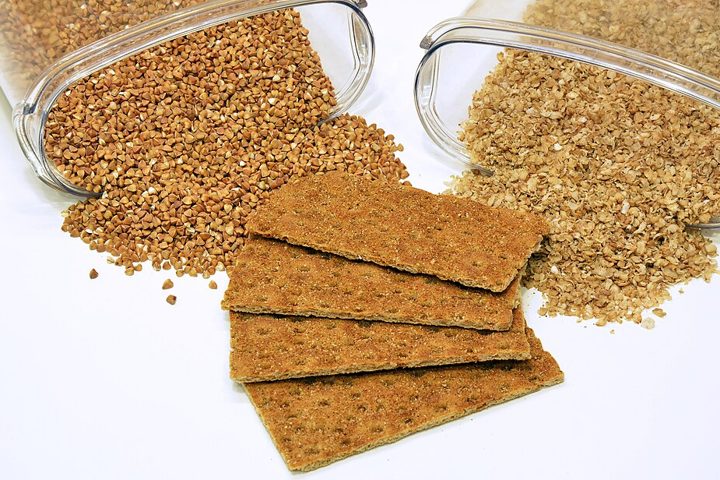
Buckwheat
Not wheat. Suitable in grain form; check for traces.
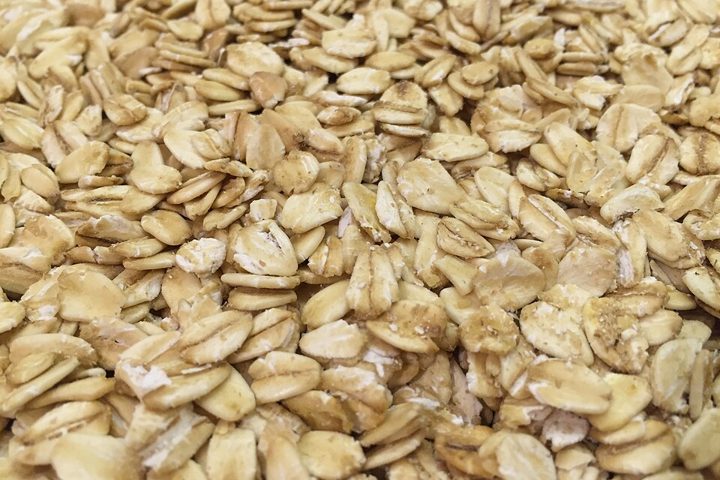
Oats
Only certified with "gluten free".
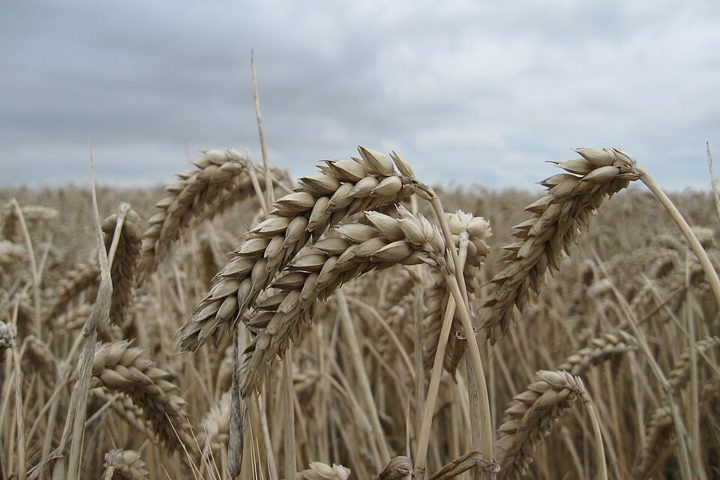
Wheat
A gluten-containing cereal, in any form.
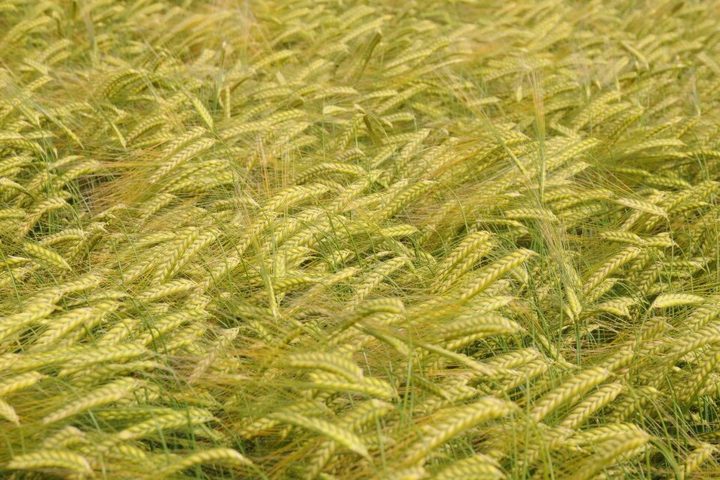
Barley and malt
Malt comes from barley and does not work either.
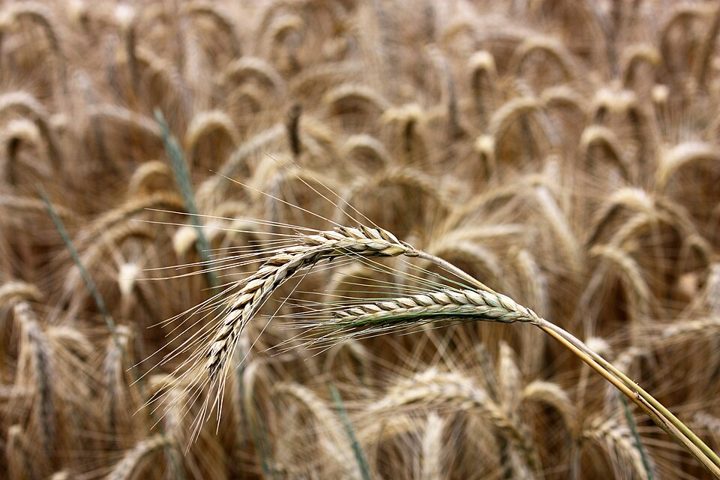
Rye
A gluten-containing cereal, and its flour too.
Meat and cold cuts: which ones have gluten and which do not
Fresh meat and cured ham are suitable without a label according to FACE. Cold cuts, burgers and sausages are specific products, because their recipe may include gluten, and only work with the "gluten free" claim or a checked brand.
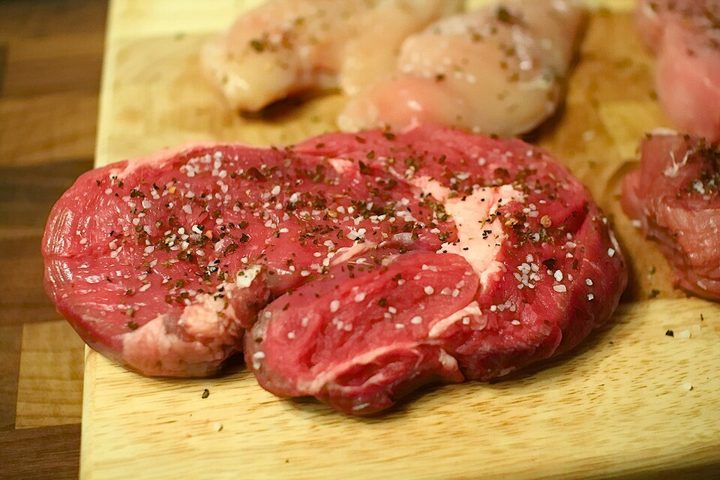
Fresh meat
Fresh, frozen or canned uncooked.
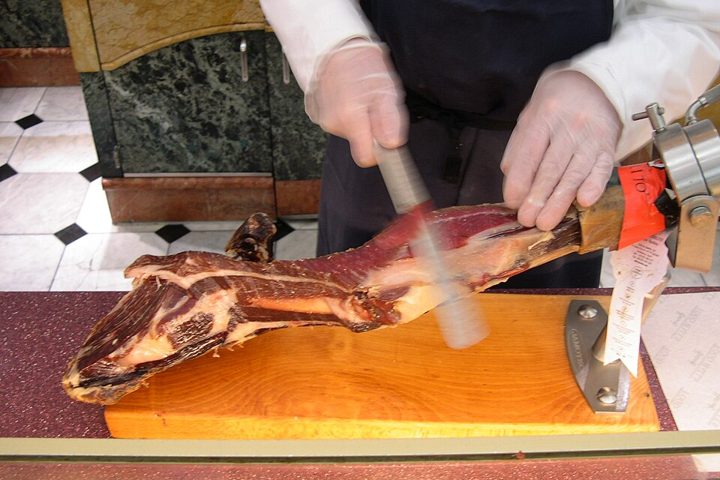
Cured ham
Cured ham and shoulder (Iberian, serrano).
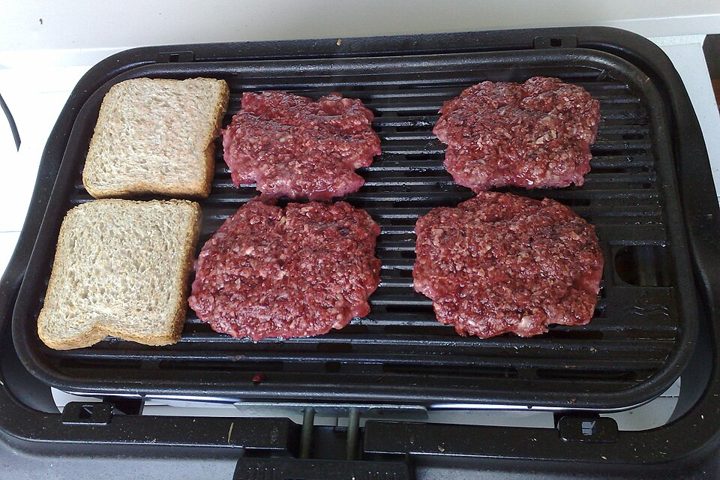
Burgers and minced meat
Only with "gluten free" or a checked brand.
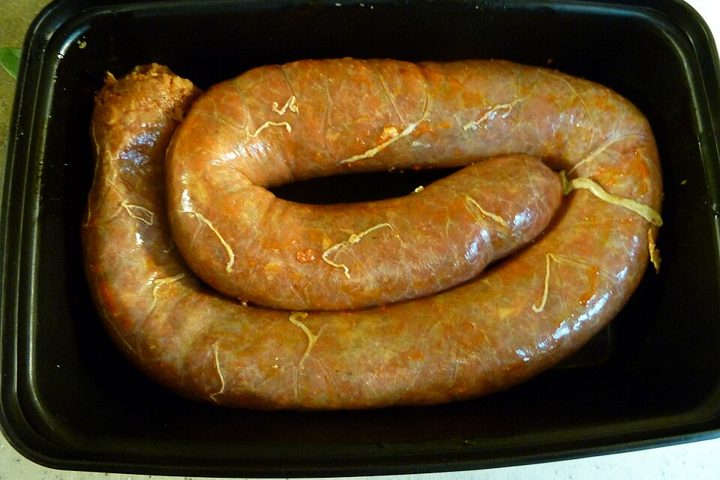
Chorizo and salami
Cold cuts: check the product label.

Sausages
Check the label; they may contain gluten.
Fish and seafood: which ones have gluten and which do not
Fresh fish and canned fish in brine or oil are suitable according to FACE. Substitutes such as surimi are specific, and breaded or battered fish contains gluten unless it says "gluten free".
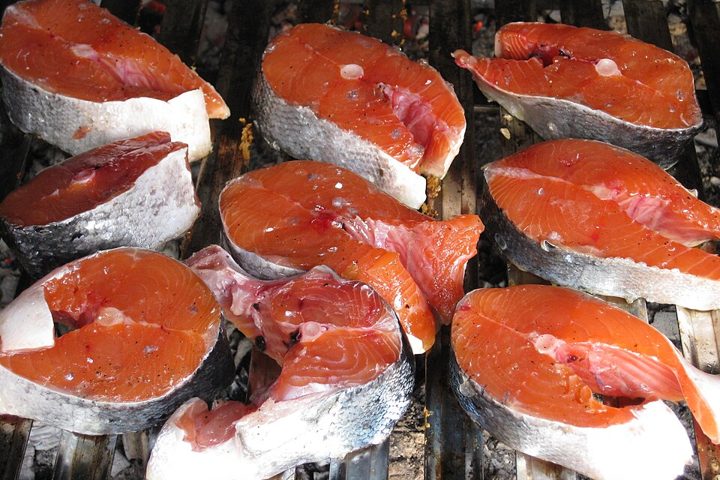
Fresh fish
Fresh, frozen unbreaded, smoked or salted.
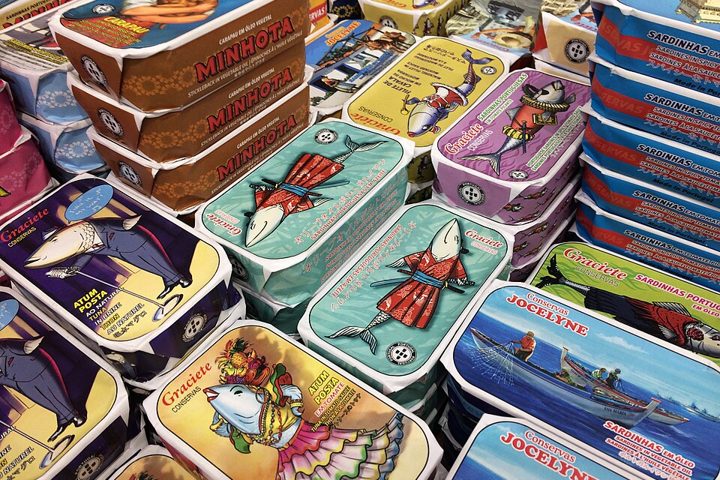
Canned fish in oil or brine
Canned fish in brine, oil or lemon.
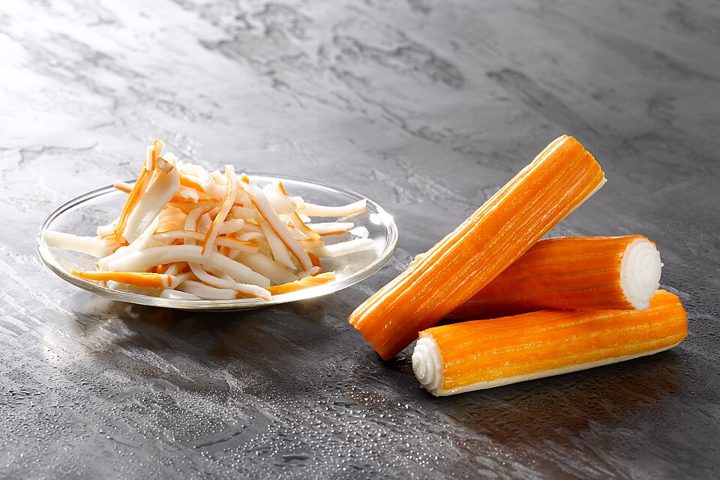
Surimi and crab sticks
Seafood substitutes: only with "gluten free".
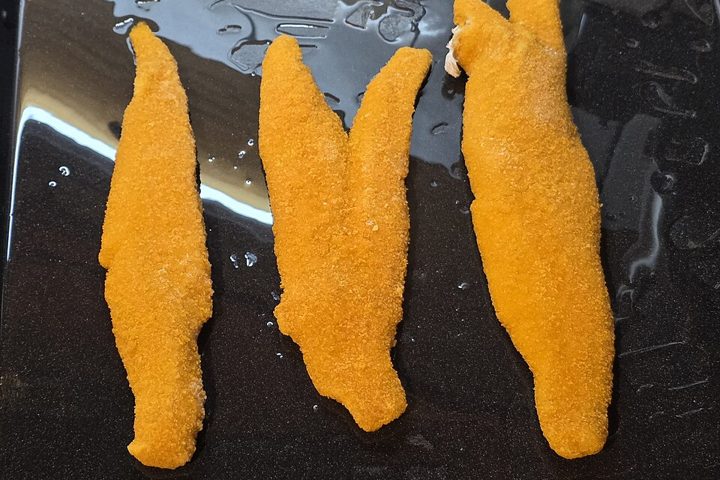
Breaded fish
The breading contains wheat unless it is gluten free.
Dairy: which ones have gluten and which do not
Milk, plain yogurt and aged cheese are suitable foods according to FACE; sliced cheese is worth checking. Flavored yogurts and cheese spreads are specific, and yogurts with cereals are not suitable.
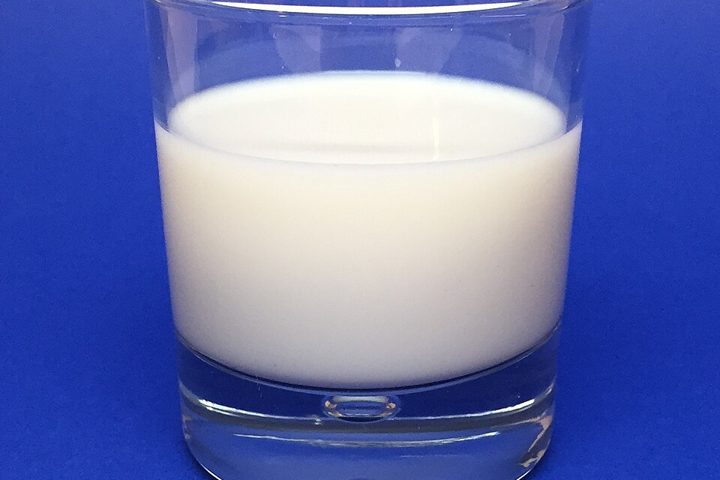
Milk
Fresh, UHT, evaporated or powdered milk.
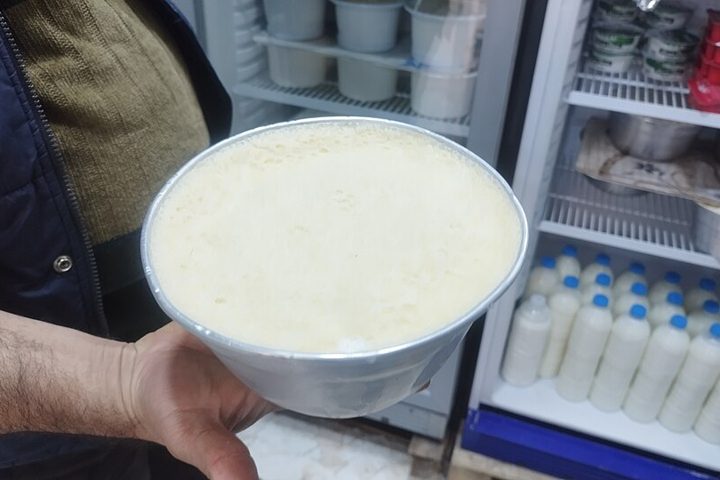
Plain yogurt
Plain, with no flavors or additions.
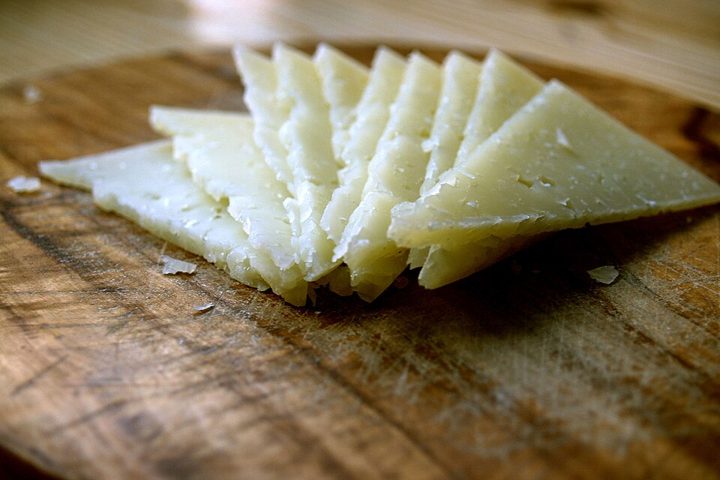
Aged cheese
Manchego, parmesan, gouda, brie. Sliced, check.
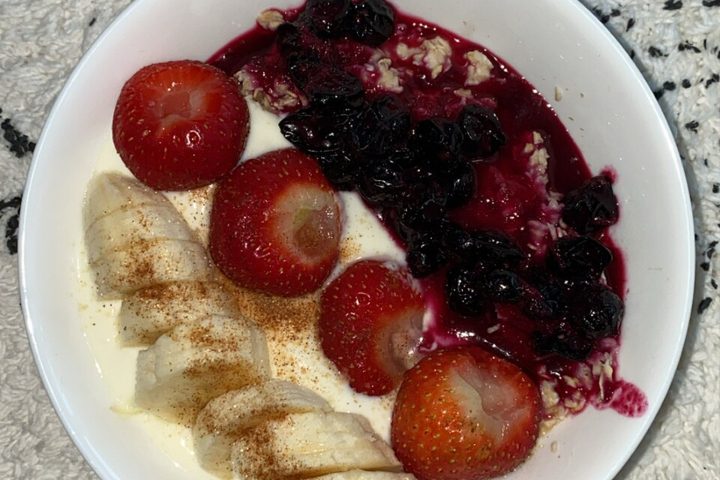
Flavored yogurt
Flavored or with fruit: check the label.
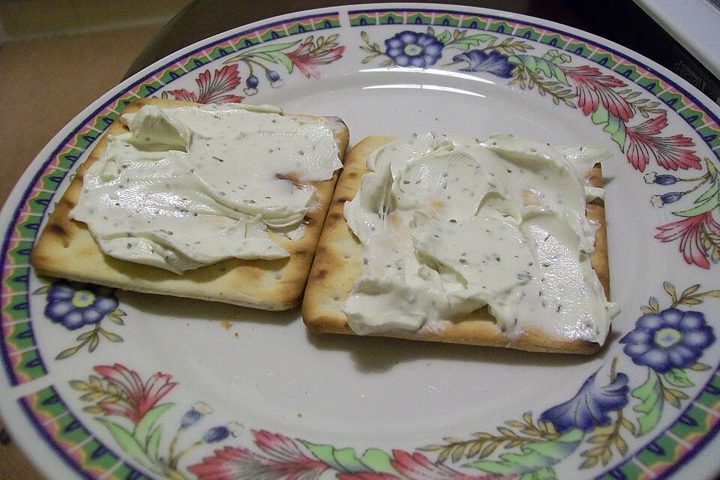
Cream cheese spread
Spreadable and grated cheese: check the label.
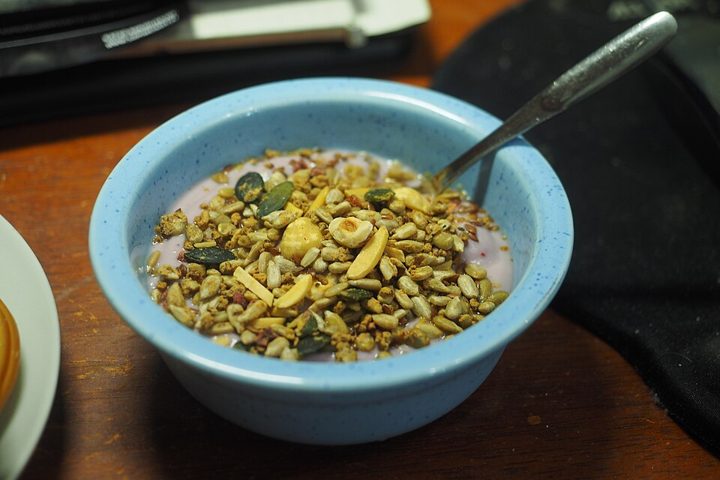
Yogurt with cereals
Yogurts and milks with cereals: not suitable.
Eggs: which ones have gluten and which do not
Fresh and boiled eggs are suitable according to FACE. Only threaded and freeze-dried egg count as specific products, so their label is worth checking.
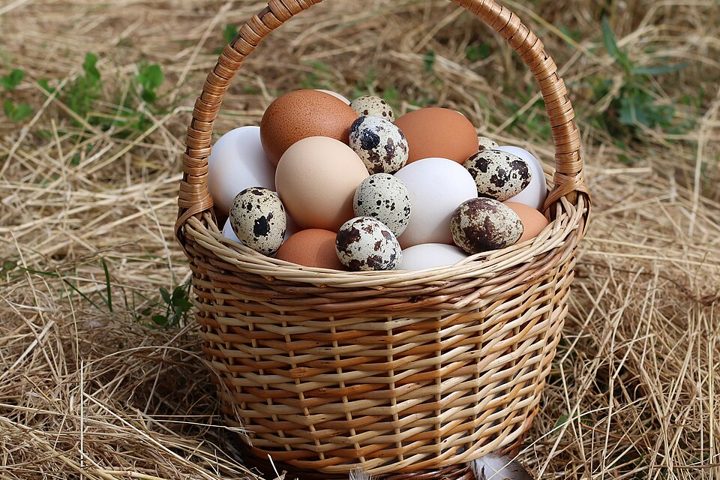
Fresh eggs
Fresh and boiled.
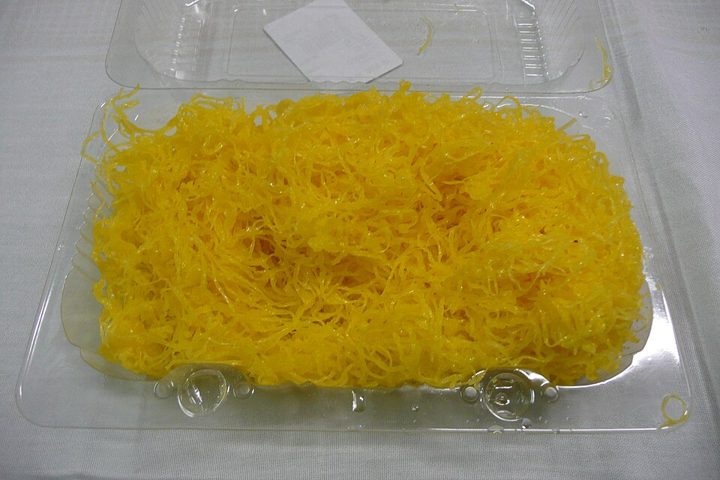
Threaded egg
Threaded and freeze-dried egg: check.
Fruit, vegetables and tubers: which ones have gluten and which do not
Fruit, vegetables and tubers in their natural state are suitable according to FACE, as are simple jams. Cooked or processed products, such as pre-fried potatoes, are specific, and battering or tempura contain gluten.
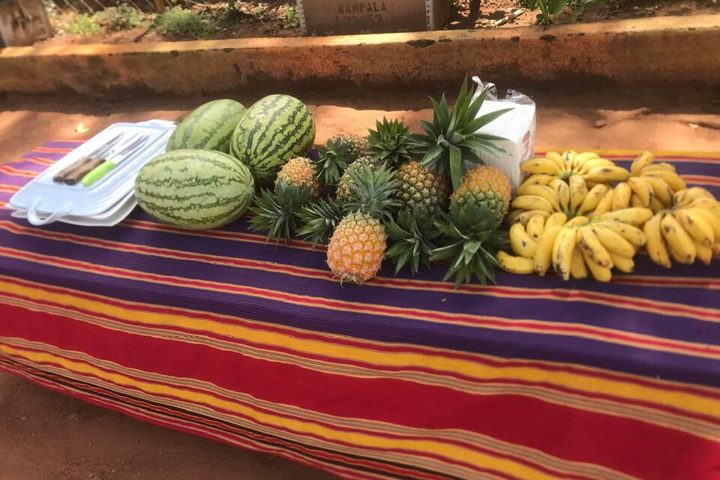
Fresh fruit
Fresh and dried fruit.

Fresh vegetables
Fresh, frozen or naturally canned.
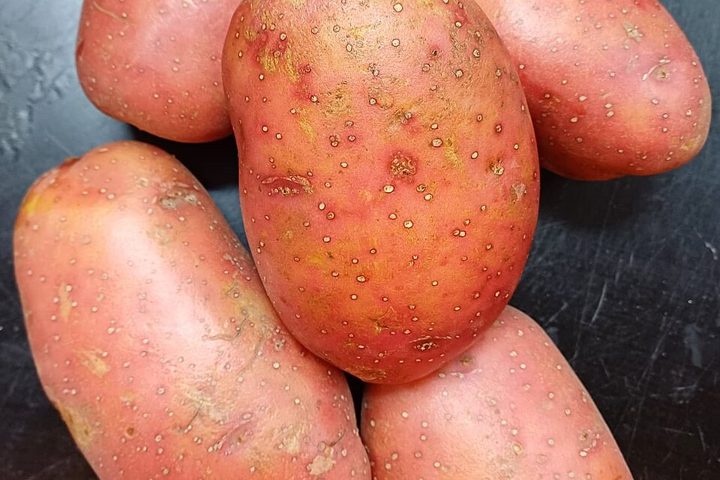
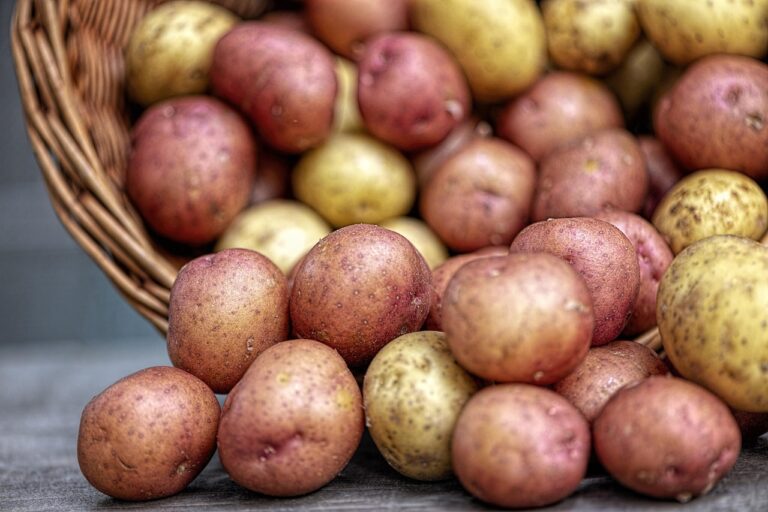
Potato
Fresh, boiled or roasted. No coatings.
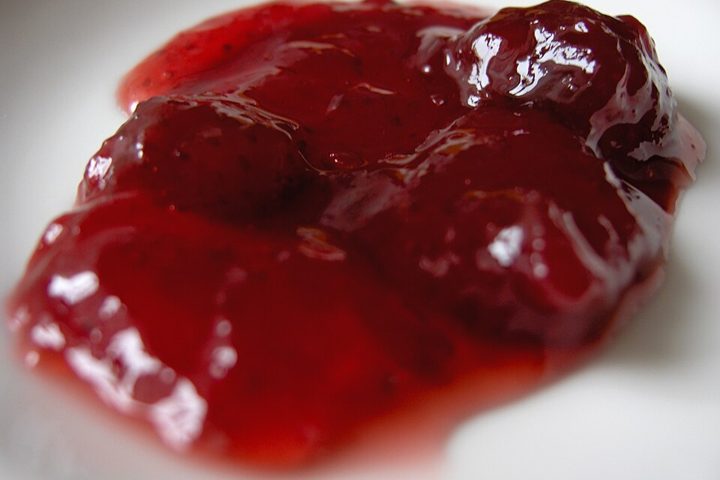
Jam
Simple jams and preserves.
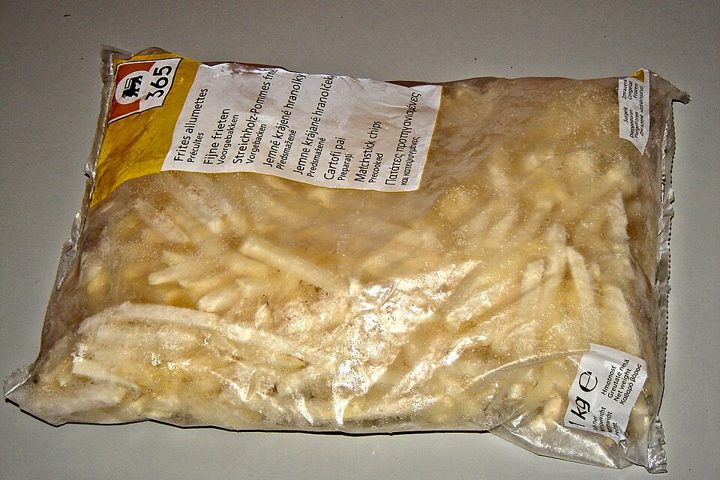
Frozen pre-fried potatoes
Only with "gluten free".
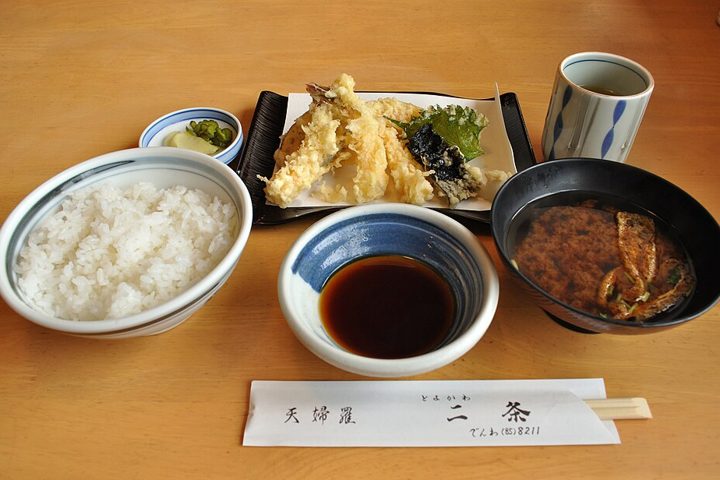
Battered or tempura vegetables
Battered with gluten: not suitable.
Legumes: which ones have gluten and which do not
Dried legumes are suitable according to FACE, but it is worth sorting them by hand because they can contain wheat grains, and never in bulk. Cooked legume dishes are specific products. You have them one by one in the legumes and soy guide.
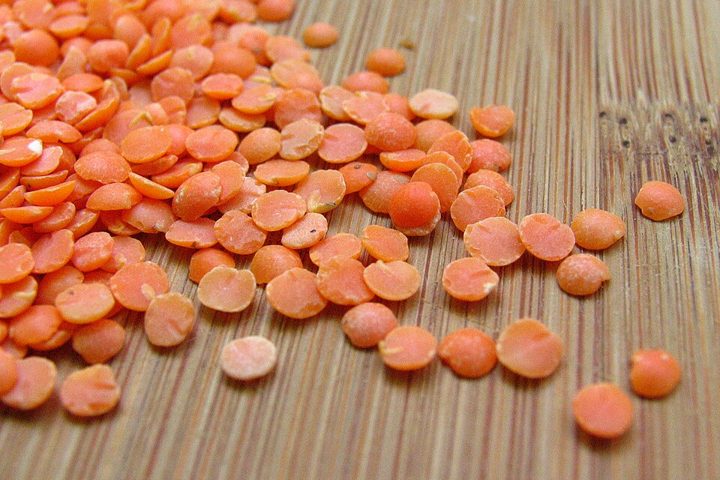
Dried lentils
Sort them by hand: they can contain wheat grains.

Chickpeas
Dried or naturally canned. Never in bulk.
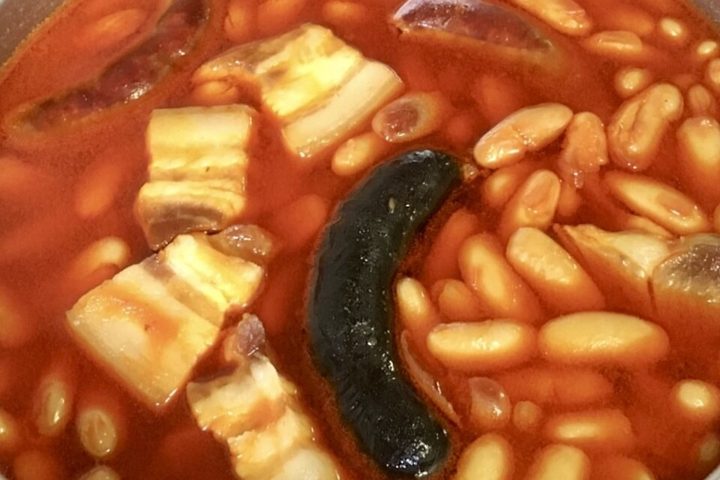
Cooked legume dishes
Fabada, stews, cooked lentils: check.
Nuts and seeds: which ones have gluten and which do not
Raw whole nuts and seeds in their natural state are suitable according to FACE. Roasted, fried or ground ones are specific products, and bulk nuts are not considered suitable.
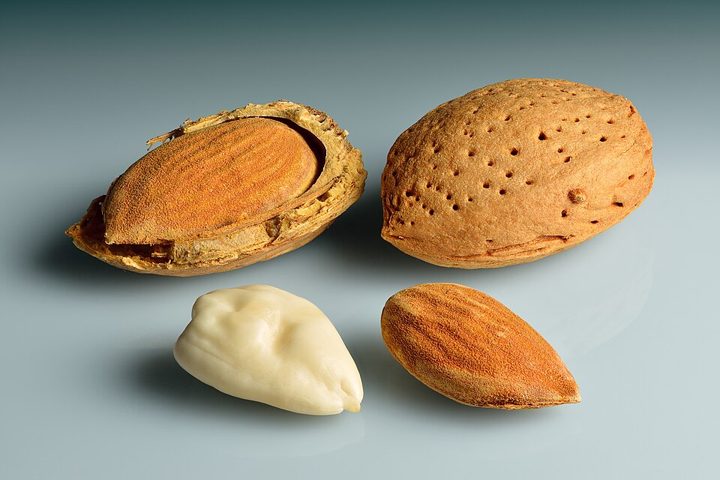
Raw almonds
Raw whole nuts.
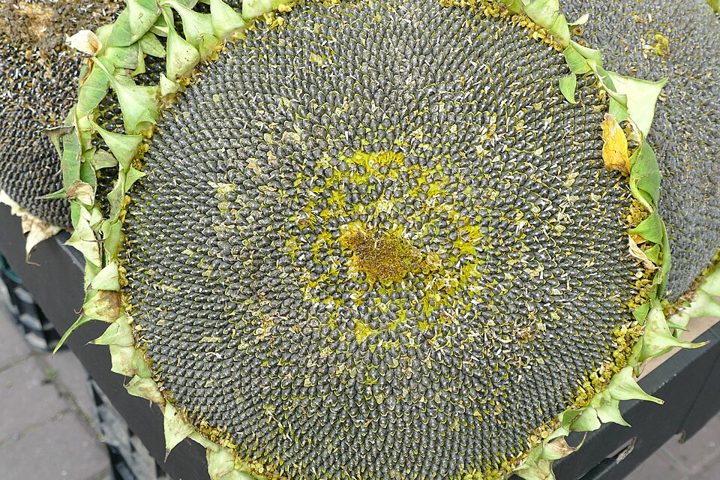
Natural seeds
In their natural state. Check for traces.
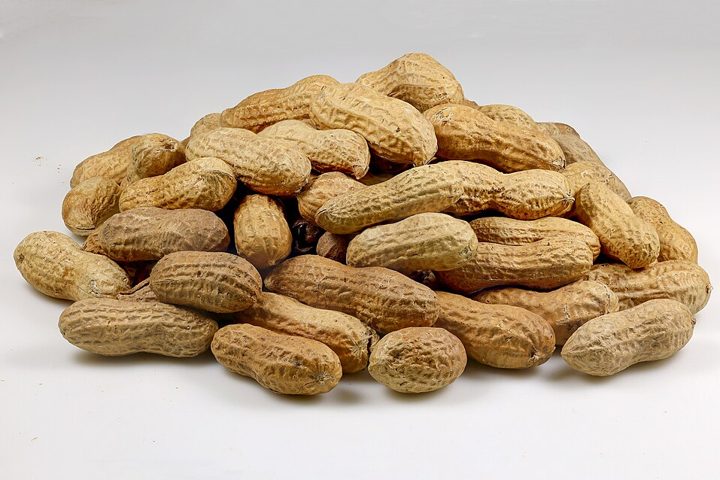
Roasted nuts
Roasted or fried: check the label.
Drinks: which ones have gluten and which do not
Wine, cava, cider, juice and plain coffee are suitable according to FACE. Gluten free beer is a specific product, and regular beer, alcohol-free included, is not suitable because it is made with barley.
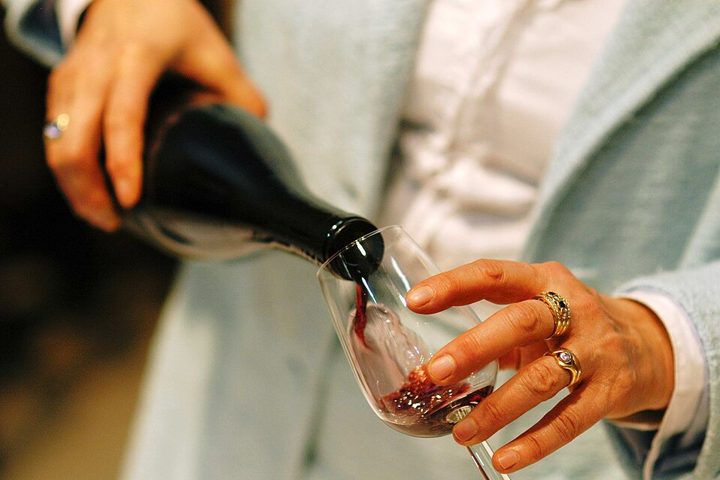
Wine
Red, white, rosé and sparkling.
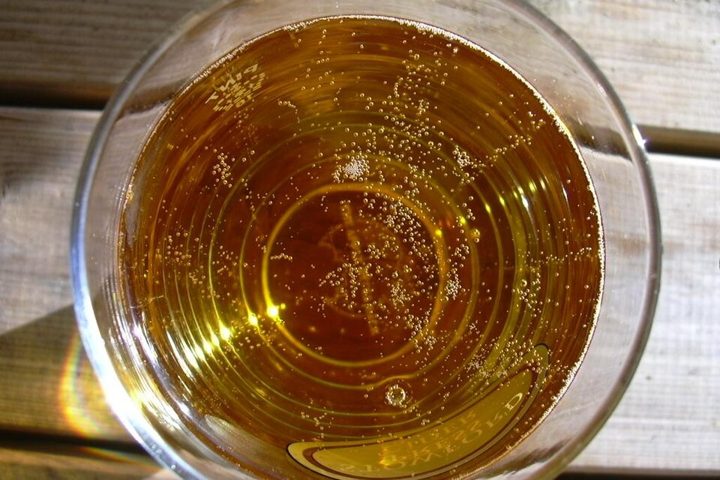
Cava and cider
Sparkling wines and ciders.
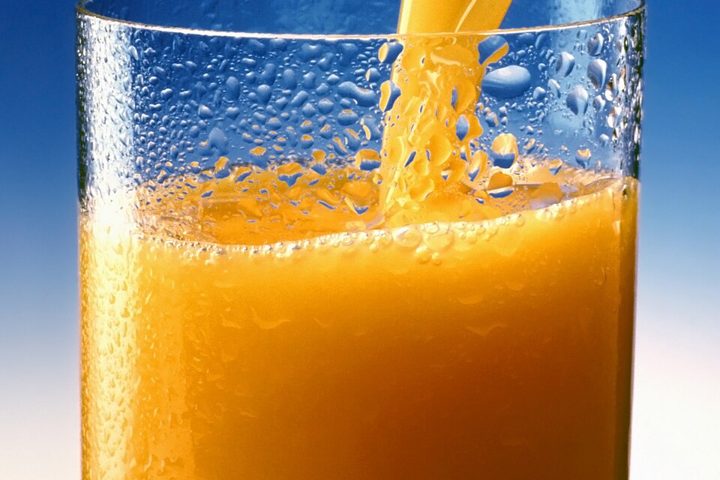
Juices
Fruit and vegetable juices and nectars.

Plain coffee
Without flavors or other ingredients.
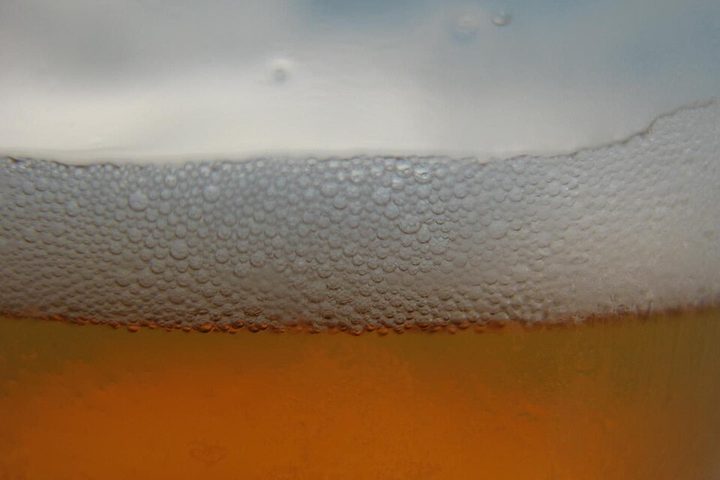
Gluten free beer
Only with the "gluten free" claim.

Regular beer
Brewed with barley: not suitable.
Sugar, sweets and chocolate: which ones have gluten and which do not
Honey, sugar and pure cocoa are suitable according to FACE. Chocolate, bonbons and gummies are specific products, and bulk sweets are not suitable.
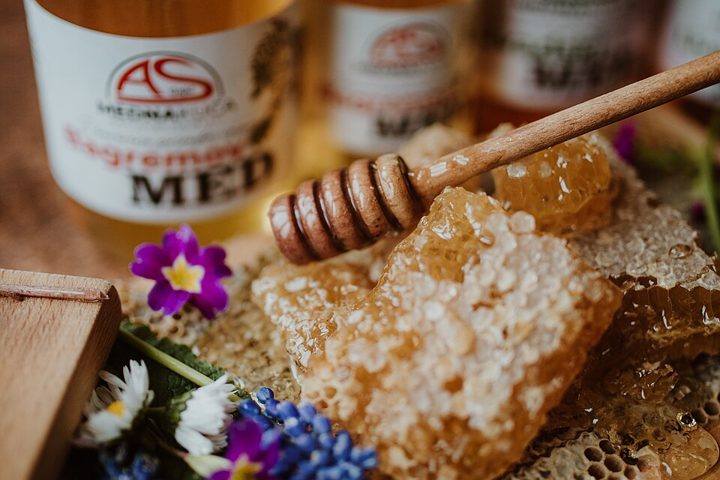
Honey
Honey and molasses.
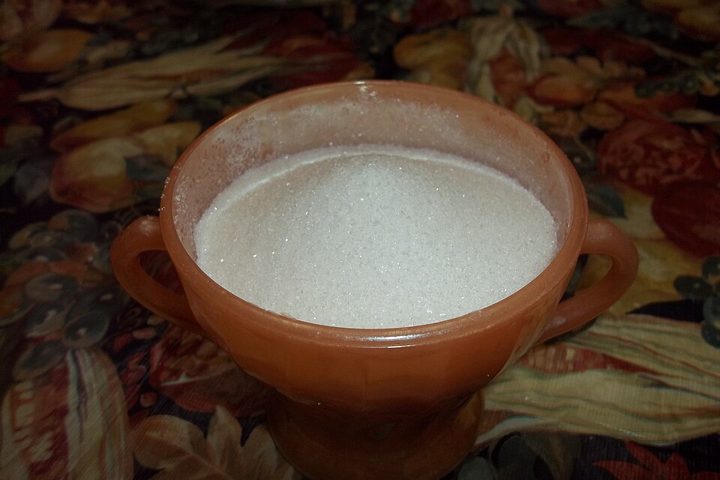
Sugar
White, brown and panela.
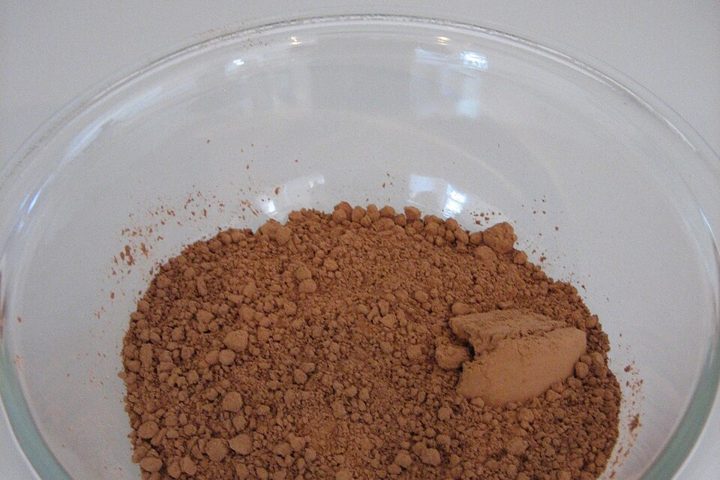
Pure cocoa
Pure cocoa and cocoa butter.
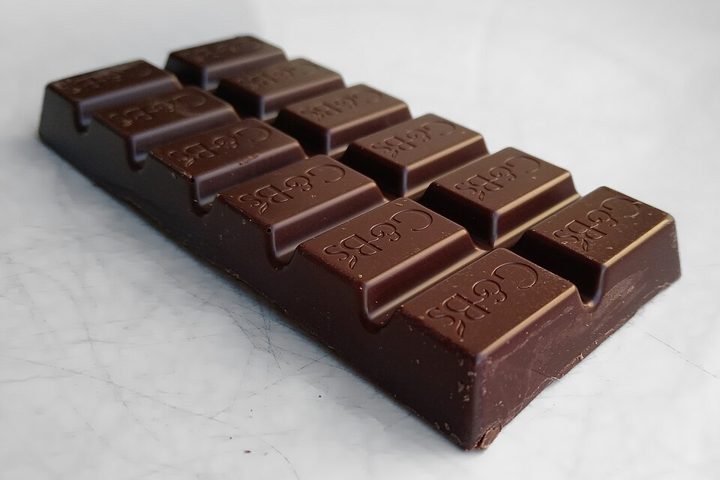
Chocolate
Bars and bonbons: check the label.
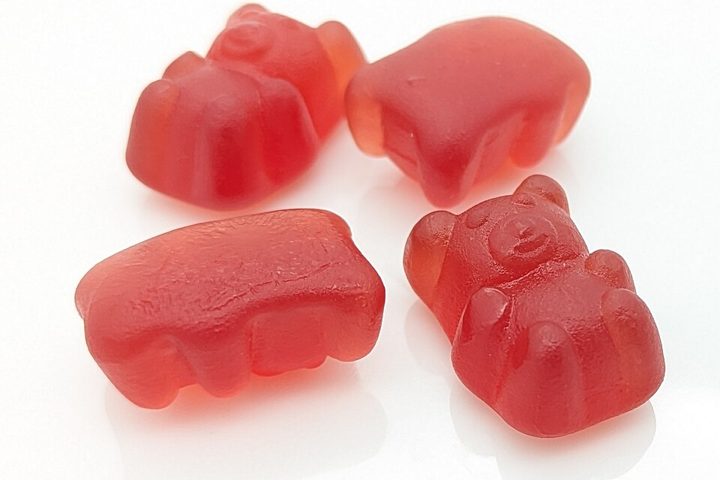
Gummies and candy
Check the label; not in bulk.
Sauces, spices and seasonings: which ones have gluten and which do not
Salt, plain tomato and wine or apple vinegar are suitable according to FACE. Prepared sauces and ground spices are specific, and regular soy sauce and bulk spices are not suitable.
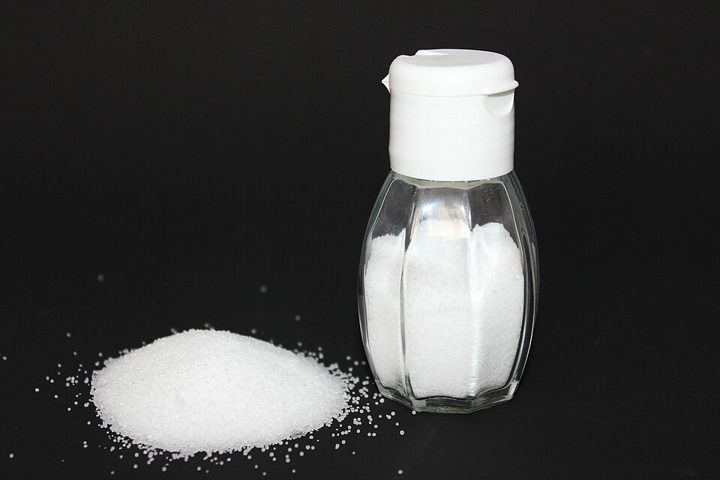
Salt
Plain salt.
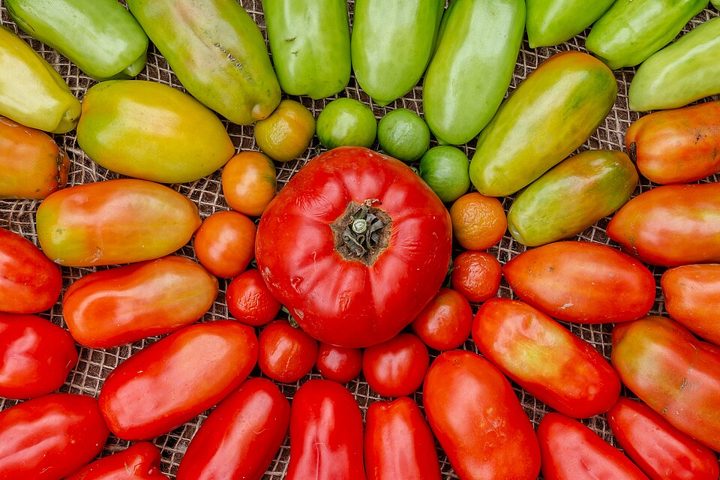
Plain tomato
Whole or crushed, with nothing added.

Wine or apple vinegar
Wine, apple, cider and Modena.
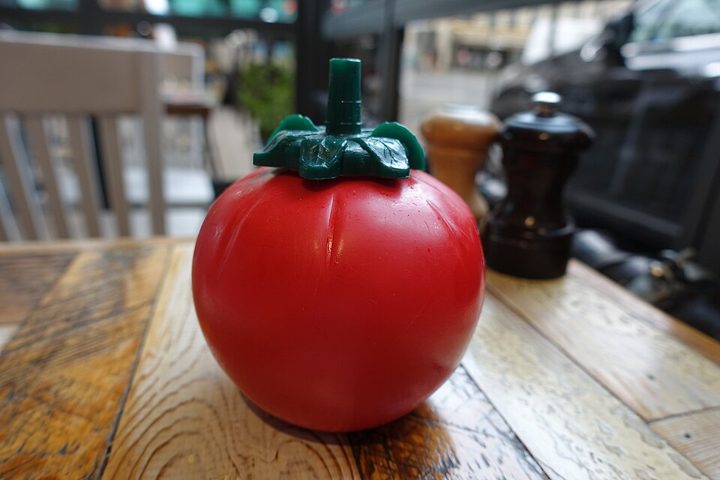
Ketchup and mayonnaise
Prepared sauces: check the label.
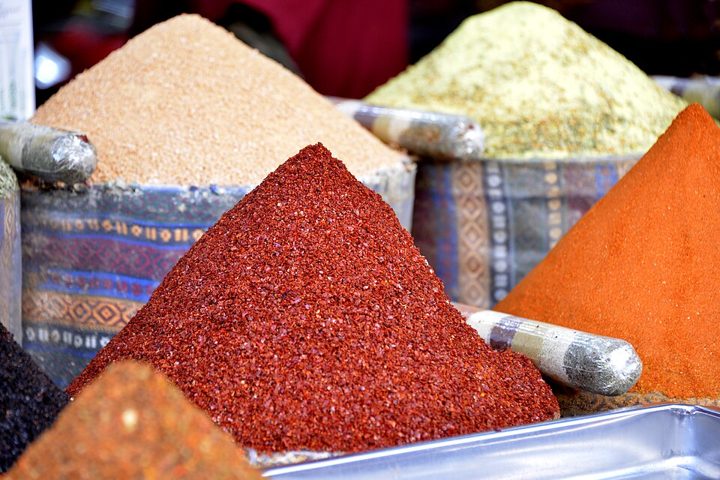
Ground spices
Ground or mixed: check the label.
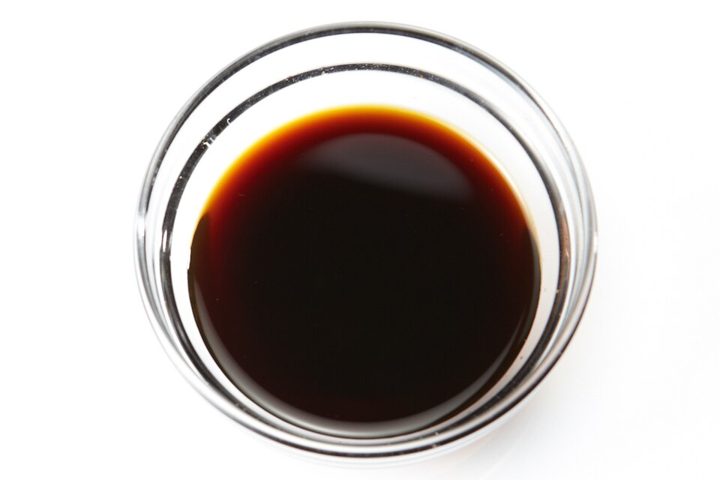
Regular soy sauce
Not suitable; only the gluten free one.
Bread, pasta and baking: which ones have gluten and which do not
Wheat bread, pasta and baked goods contain gluten, and seitan is made from wheat gluten. The "gluten free" versions of bread and pasta are specific products that only work with that claim.
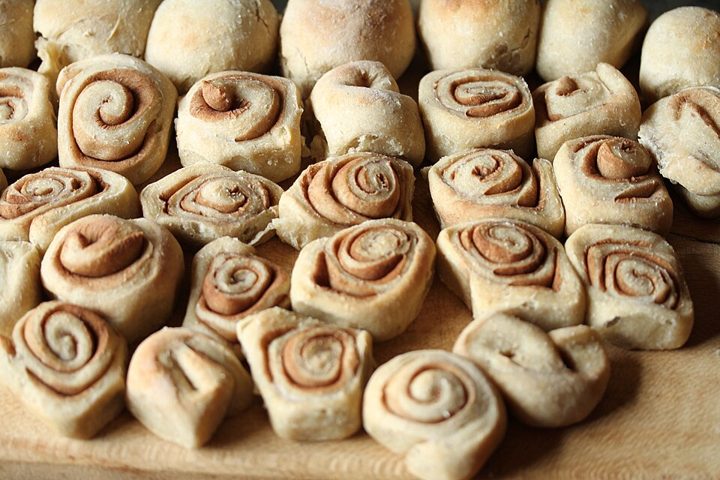
Gluten free bread
Only with "gluten free".
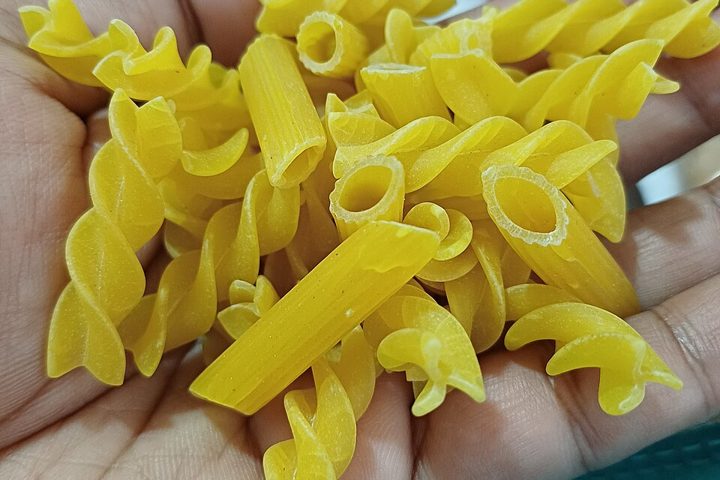
Gluten free pasta
Made of corn or rice, with "gluten free".
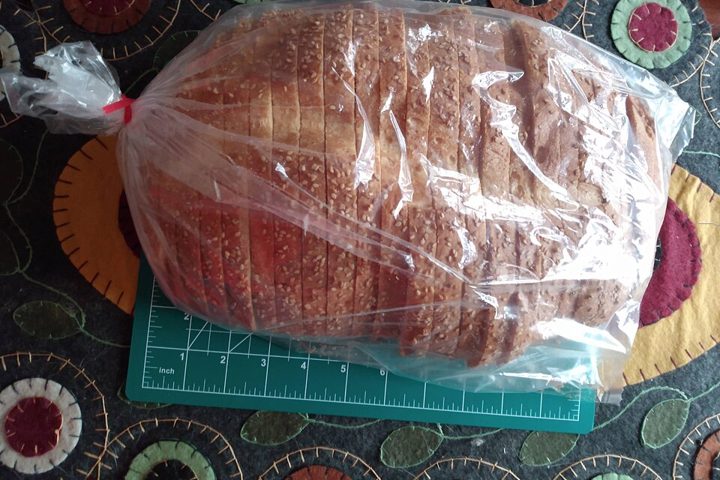
Wheat bread
Made with wheat flour: not suitable.
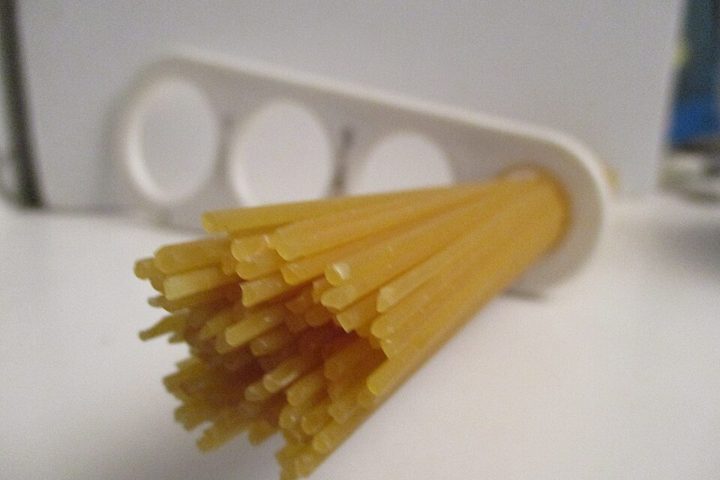
Wheat pasta
Spaghetti, macaroni, couscous: not suitable.
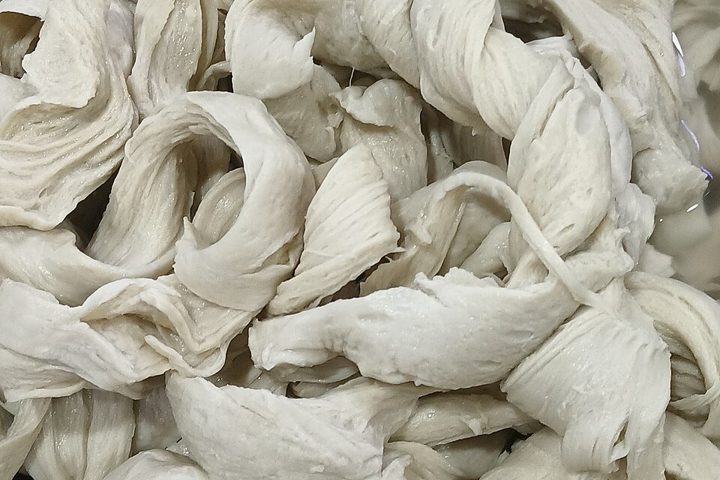
Seitan
Made from wheat gluten: not suitable.

Three Kings cake and polvorones
With gluten unless a gluten free version.
Oils, butter and yeast: which ones have gluten and which do not
Oils and traditional butter are suitable according to FACE. Margarine is a specific product, and brewer's yeast is not suitable except the "gluten free" version.
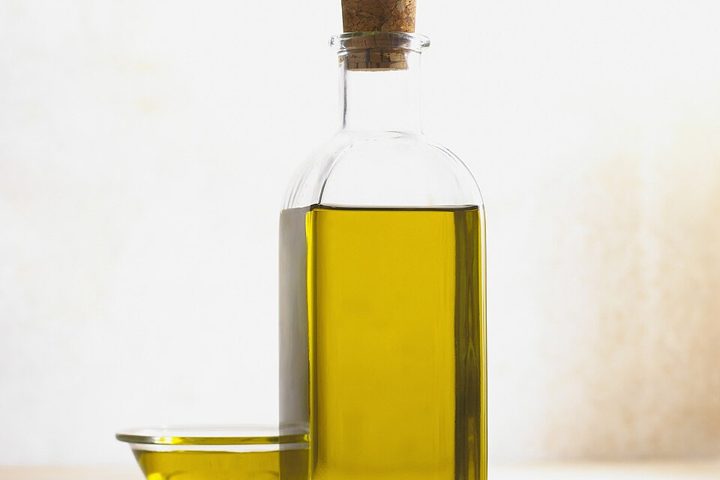
Olive oil
Oils in general.
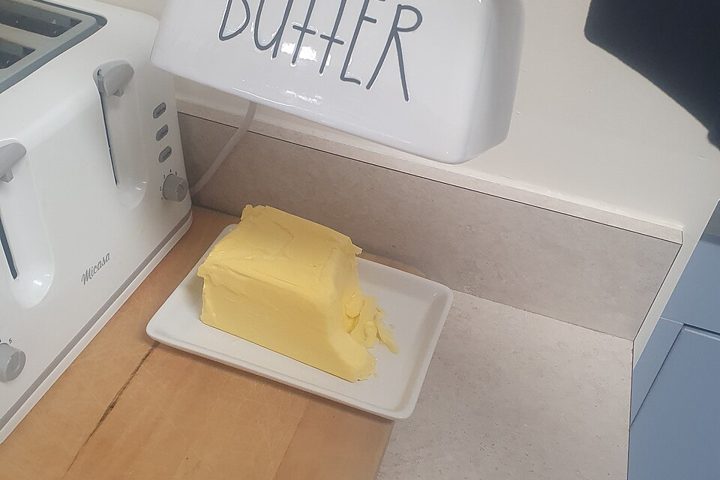
Traditional butter
Traditional butter.
Margarine
Check the product label.
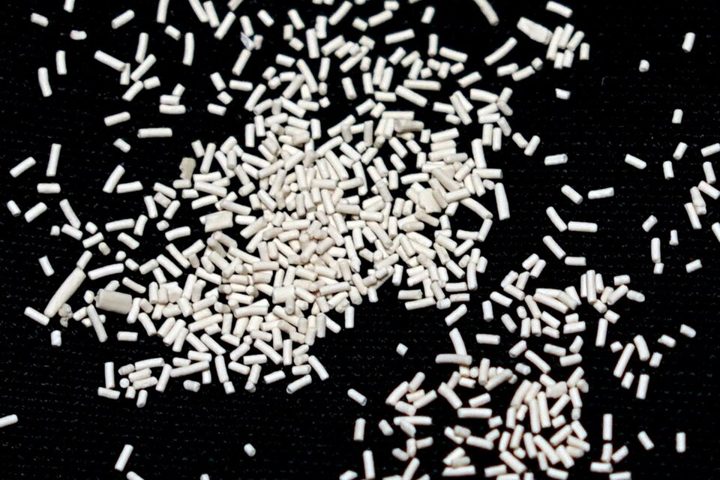
Brewer's yeast
Not suitable; only the gluten free one.
Where does gluten hide without looking like it?
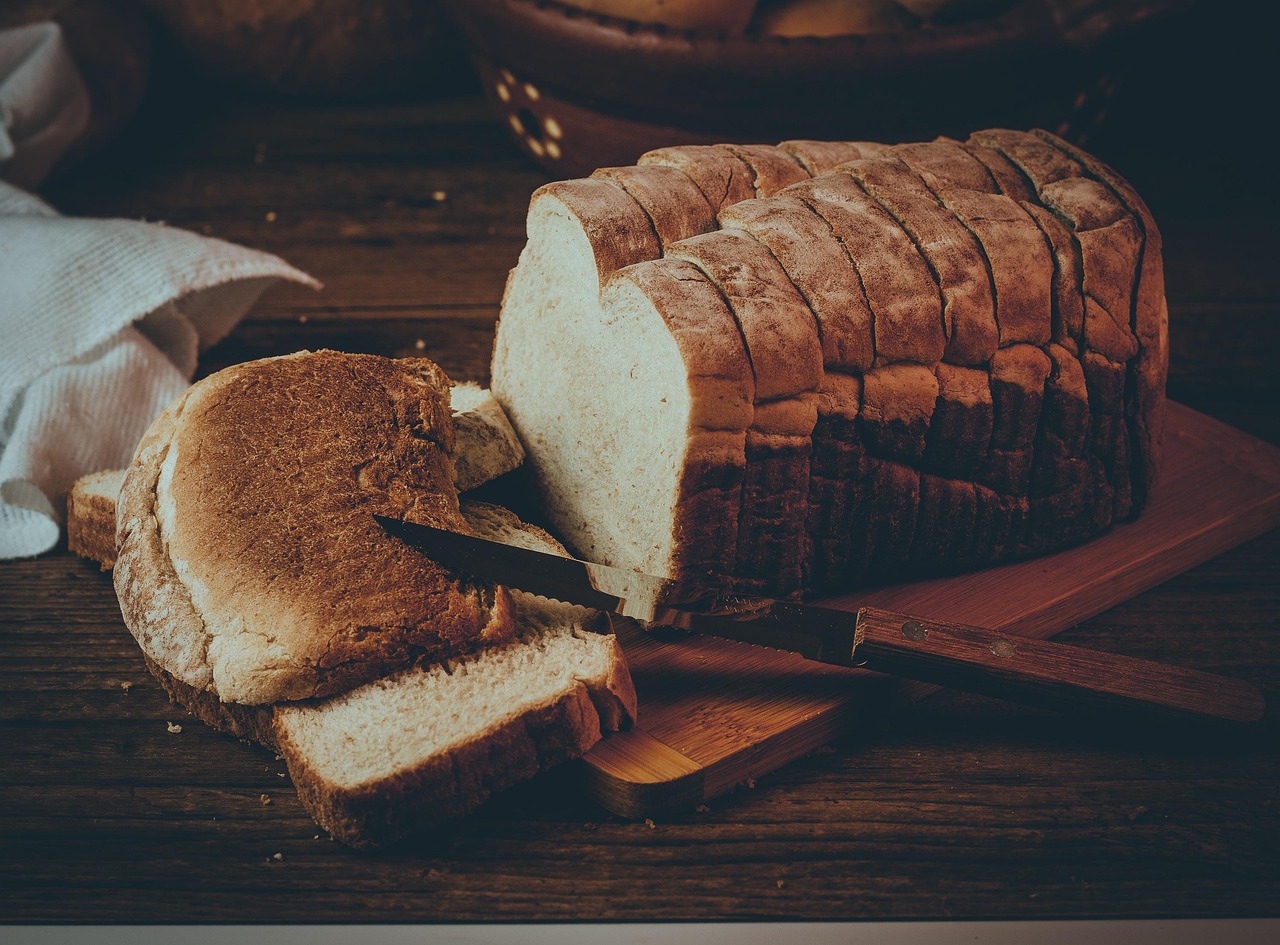
These are the places where finding gluten surprises people most. All of them come from FACE’s classification and from the guides in this cluster:
- Regular soy sauce: not suitable. Only the “gluten free” one works.
- Brewer’s yeast and malt: they come from barley. Malt breakfast cereals are not suitable.
- Yogurts and milks with cereals: not suitable, although plain yogurt is.
- Cold cuts and minced meat: specific. They only work with “gluten free” or a checked brand.
- Coatings and breading: on fish or vegetables, not suitable. Gluten free versions exist.
- Bulk and ground spices: bulk, not suitable; ground, only with a label.
- Seitan, Three Kings’ cakes and polvorones: they contain gluten unless “gluten free”.
The list does not end here, but it sums up the pattern: the more processed, the greater the risk. For more detail by cereal or food, go to rice or beer.
How do you check whether a food contains gluten?
- Start with the level. If it is natural and unprocessed, it is suitable. If it is processed, go to the next step.
- Read the ingredients. Look for wheat, spelt, kamut, rye, barley, oats and malt, which must be highlighted as allergens.
- Look for the “gluten free” claim. It means less than 20 mg/kg. “Very low gluten” does not work.
- Avoid bulk and anything without a label.
- If in doubt, do not consume it. It is FACE’s rule.
That is the foundation. For the detail on each food, the full classification is on the FACE website.
Eating gluten free in Valencia
At Gato Blanco the whole kitchen is 100% gluten free. It is certified by ACECOVA and we hold the FACE Restauración Sin Gluten seal for 2025 and 2026, so you do not have to ask dish by dish.
If you want to know whether a dish contains a specific ingredient, ask the team: we have written allergen information for every dish. Gluten free covers gluten, and in the kitchen we also work with dairy, egg and nuts.
We are a gluten free restaurant in Valencia in La Zaidía, 7 minutes on foot from the Serranos Towers, and an option if you are looking for a restaurant for celiacs in Valencia with the whole menu safe. You can see every dish on the gluten free menu.
Frequently asked questions
Which foods contain gluten?
Foods made with wheat, spelt, kamut, barley, rye, triticale or uncertified oats, and everything derived from them: bread, pasta, pastry, flour, semolina, coatings and beer. Some processed foods also hide it, such as certain sauces, cold cuts, broths and desserts.
Which foods do not have gluten?
Unprocessed natural foods are suitable without a label: fresh meat and fish, eggs, milk, fruit, vegetables, dried legumes, rice, corn and the other gluten free cereals and pseudocereals. Processed foods need the “gluten free” claim or a label check.
How do I know if a processed product has gluten?
Read the ingredient list and look for the highlighted cereal allergen: wheat, rye, barley, oats, spelt or kamut. Also check for malt. A product with the “gluten free” claim contains less than 20 mg/kg. When in doubt, FACE advises not to consume it.
What does “specific” mean in the FACE classification?
FACE sorts foods into conventional (suitable as they are), specific and not suitable. Specific foods are processed products that, depending on the brand and formula, may contain gluten, so they only work with the “gluten free” claim or after checking the label.
Does soy sauce have gluten?
Regular soy sauce is listed as not suitable in FACE’s classification. Only “gluten free” soy sauce works, and FACE lists it among specific products. It is one of the places where gluten hides most in Asian cooking.
Are bulk foods suitable for celiacs?
It is better to avoid them. FACE warns that bulk products carry a higher risk of cross-contact, and its classification leaves out bulk legumes, spices, shelled nuts, sweets and ice cream.
When is a food “gluten free” by law?
When it contains less than 20 mg/kg of gluten, according to EU regulation. The “very low gluten” claim allows up to 100 mg/kg and does not suit a person with celiac disease. A menu or a counter has no label, so how the dish is prepared is what counts.
Photo credits
Photographs from Wikimedia Commons, under the licenses shown: Rice: Sum overseas, CC BY-SA 4.0; Corn: Nutrition, Food Safety & Health, CC0; Quinoa: Fumikas Sagisavas, CC0; Buckwheat: Andrey Korzun, CC BY-SA 4.0; Oats: Yonygg, CC BY-SA 4.0; Wheat: ㇹヮィㇳ, CC BY 2.0; Barley and malt: Philip Halling, CC BY-SA 2.0; Rye: Dmitrij Rodionov, DR, CC BY-SA 3.0; Fresh meat: ohallmann (Oliver Hallmann), CC BY 2.0; Cured ham: Schellack at English Wikipedia, CC BY 3.0; Burgers and minced meat: Miia Ranta from Finland, CC BY-SA 2.0; Chorizo and salami: Jaydoo, CC BY-SA 3.0; Sausages: The Digital Marketing Collaboration thedmcsa, CC0; Fresh fish: FULVIO_TOGNON, CC0; Canned fish in oil or brine: Cbuske46, CC BY-SA 4.0; Surimi and crab sticks: Frrrrred, CC BY-SA 3.0; Breaded fish: Horacio Cambeiro, CC BY-SA 3.0; Milk: NIAID, CC BY 2.0; Plain yogurt: Abdulsalam Al Dabbagh, CC BY-SA 4.0; Aged cheese: cyclonebill, CC BY-SA 2.0; Flavored yogurt: Jumbocombo0811, CC BY-SA 4.0; Cream cheese spread: AnemoneProjectors, CC BY-SA 2.0; Yogurt with cereals: JIP, CC BY-SA 4.0; Fresh eggs: George Chernilevsky, CC BY-SA 4.0; Threaded egg: LipeFontoura, Public domain; Fresh fruit: Catherine Amia, CC BY-SA 4.0; Fresh vegetables: Gaurav Dhwaj Khadka, CC BY-SA 4.0; Potato: Albertinon, CC BY 4.0; Jam: PatríciaR, CC BY-SA 3.0; Frozen pre-fried potatoes: LimoWreck, CC BY-SA 3.0; Battered or tempura vegetables: Ocdp, CC0; Dried lentils: Mytinytank, CC BY-SA 3.0; Chickpeas: AlixSaz, CC BY-SA 4.0; Cooked legume dishes: Amasuela, Luis Lafuente Agudín, CC BY-SA 4.0; Raw almonds: Ivar Leidus, CC BY-SA 4.0; Natural seeds: Kritzolina, CC BY-SA 4.0; Roasted nuts: Sanjay Acharya, CC BY-SA 4.0; Wine: Fabio Ingrosso, CC BY 2.0; Cava and cider: ARendle, CC BY-SA 2.0; Juices: Agency of the United States Department of Agriculture Edited, Public domain; Plain coffee: Jubair1985, CC0; Gluten free beer: Public Domain Images, Public domain; Regular beer: AxtImHause, CC BY 4.0; Honey: Shixart1985, CC BY 2.0; Sugar: Sparkveela, CC0; Pure cocoa: blair, CC BY-SA 2.0; Chocolate: Mx. Granger, CC0; Gummies and candy: Mx. Granger, CC0; Salt: Poyraz 72, CC BY-SA 4.0; Plain tomato: Michal Klajban, CC BY-SA 4.0; Wine or apple vinegar: haitham alfalah, CC0; Ketchup and mayonnaise: Guilhem Vellut from Paris, France, CC BY 2.0; Ground spices: Miomir Magdevski, CC BY-SA 4.0; Regular soy sauce: 국립국어원, CC BY-SA 2.0 kr; Gluten free bread: Bigvai Muhoti, CC BY-SA 4.0; Gluten free pasta: Rubel Das, CC0; Wheat bread: Mmangan333, CC BY-SA 4.0; Wheat pasta: Bodhi Peace, CC BY-SA 4.0; Seitan: Fumikas Sagisavas, CC0; Three Kings cake and polvorones: Tamorlan, CC BY 3.0; Olive oil: margenauer from Pixabay, CC0; Traditional butter: Qwertyxp2000, CC BY 4.0; Margarine: Wikimedia Commons, CC BY-SA 2.0; Brewer's yeast: Tiia Monto, CC BY-SA 4.0.
This article is informational and does not replace a consultation with a doctor or a dietitian. Product formulations change: always check the label on the package. Sources: FACE (classification of foods suitable for celiacs 2021) and EU Regulations 1169/2011 and 828/2014.