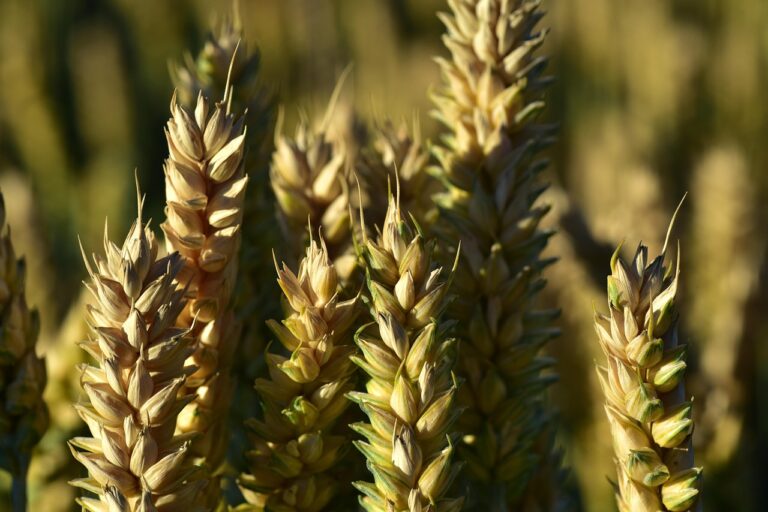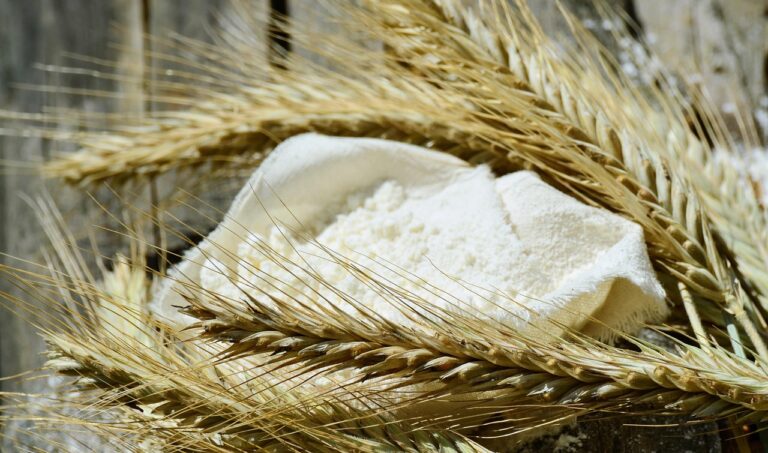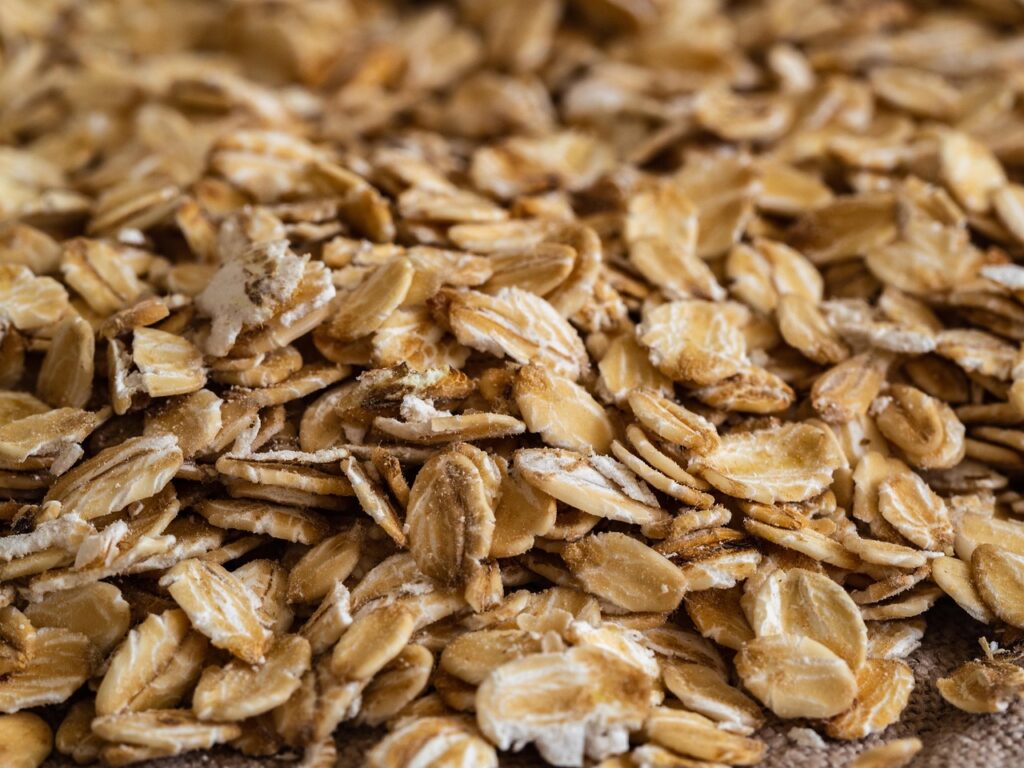
Oats have gluten or not depending on how they were produced. They contain avenin, a protein similar to gluten, and EU regulation lists them among the cereals containing gluten in the allergen list. On top of that, conventional oats are often grown, transported and milled alongside wheat, barley and rye.
So the practical answer is this: celiacs can only eat oats labeled “gluten free”. Here is what the studies say, how oats get contaminated and how to pick them. If you need the basics first, start with what is gluten.
Published on October 18, 2026 with data from FACE, the NHS, the Celiac Disease Foundation, Gluten Free Watchdog and EU regulations.
Short answer: oats appear among the cereals containing gluten in the EU allergen regulation, and they are often contaminated with wheat, barley or rye. Only oats labeled “gluten free” (less than 20 mg/kg) are suitable for celiacs. Most people tolerate them, and FACE recommends introducing them gradually and with your doctor.
Do oats have gluten? The clear answer
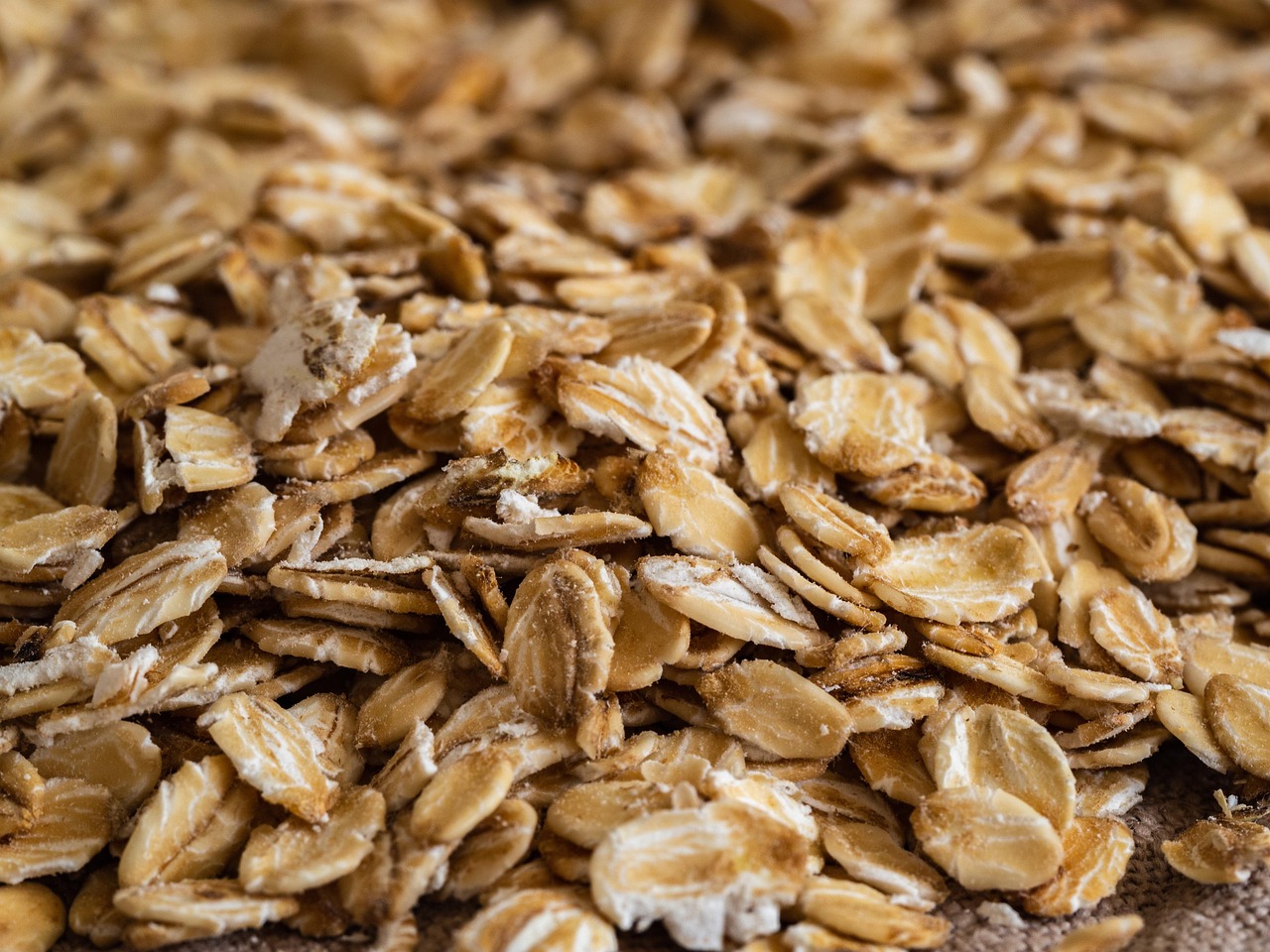
The EU food information regulation lists oats among the cereals containing gluten, next to wheat, rye, barley, spelt and kamut (Regulation EU 1169/2011, annex II). That is why you see them highlighted as an allergen on labels.
That list does not tell pure oats from contaminated ones. And that is the real problem: what decides whether they sit well with you is how they were produced, not the name of the cereal.
To see what else belongs in a celiac diet, read what celiacs can eat.
What avenin is and why it matters
Gluten is the name for the proteins in wheat, barley and rye. Oats have a different one, avenin, which according to the Celiac Disease Foundation has a structure similar to gluten.
The British NHS says avenin may trigger symptoms in a few people with celiac disease. For them, not even “gluten free” oats are safe, and they have to leave them out.
They are a minority. For everyone else, the risk comes from outside, from contamination.
How oats get contaminated, from field to package
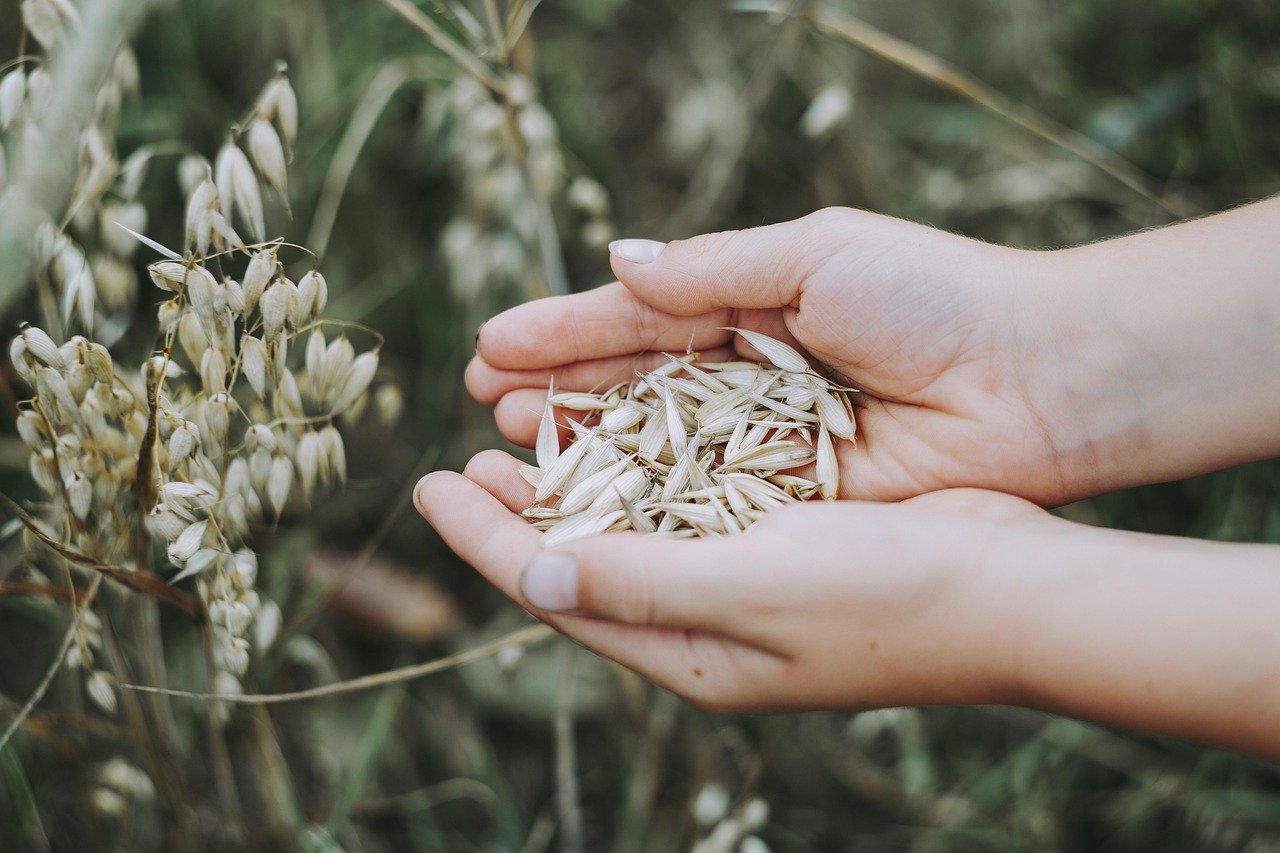
According to the Celiac Disease Foundation, oats are often grown, processed and transported alongside wheat, barley and rye. If any of those get mixed in along the way, the oats stop being suitable.
The EU regulation on the “gluten free” claim sets a requirement for oats. Oats sold as “gluten free” must have been specifically produced, prepared or processed to avoid contamination by wheat, rye and barley, and cannot exceed 20 mg/kg of gluten (Regulation EU 828/2014).
Even the label does not guarantee 100%. In the second half of 2022, Gluten Free Watchdog found four oat products labeled “gluten free”, from three manufacturers, with more than 20 ppm, and three of them were certified (statement of January 2023). The organization does not advise giving up oats; it advises confirming with the manufacturer where the oats come from.
Can celiacs eat oats?
Yes, most celiacs can eat oats if they are certified. That is the conclusion of the study reported by FACE: a meta-analysis published in Gastroenterology in April 2017, led by Elena Verdú (McMaster University), with 661 patients.
After 12 months of eating oats, patients showed no symptoms and no changes in biopsies, lymphocytes or blood tests. The authors call for more studies using the oats commonly sold in different countries.
FACE gives two guidelines: consult the specialist doctor and introduce oats gradually, and use only certified oats with less than 20 ppm of gluten. The Celiac Disease Foundation agrees that most people tolerate moderate amounts of gluten free oats.
How to choose safe oats
- Look for the “gluten free” claim on the product package itself, not only on the outer box.
- Skip bulk oats and any without a label: there is no way to know what they were milled with.
- Ask the manufacturer where their oats come from, as Gluten Free Watchdog recommends.
- Check with your doctor if you were recently diagnosed or have symptoms.
Rolled oats, flour, milk and cookies: what to check in each
| Product | Suitable? | What to watch |
|---|---|---|
| Rolled oats | Only if “gluten free” | Contamination in the field, transport and mill |
| Oat flour | Only if “gluten free” | Same contamination as rolled oats |
| Oat milk | Only if “gluten free” | The label on the package itself; there are AESAN alerts |
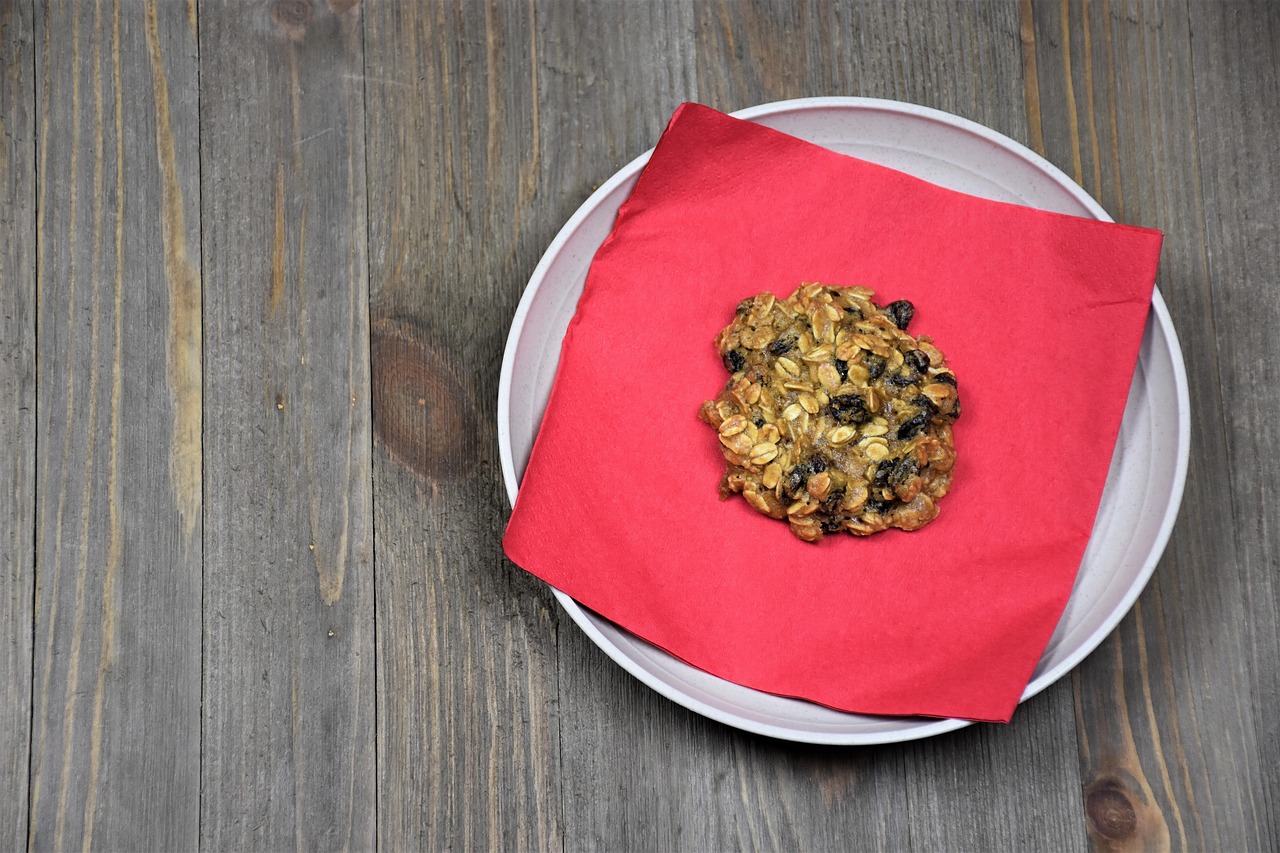
| Oat cookies and bars | Only if “gluten free” | They can contain wheat flour in the recipe |
| Granola and muesli | Only if “gluten free” | They mix oats with other cereals and toasted grains |
| Oat breakfast cereals | Only if “gluten free” | Barley malt and other ingredients |
Oat milk deserves a mention. FACE has shared two alerts from the Spanish food safety agency (AESAN): in October 2023, undeclared gluten in an oat drink labeled “gluten free” from the brand BiotoBio, which the company found in its own checks; and in October 2024, a YOSOY oat drink with the gluten free symbol on the outer packaging of some six-packs, when the product did contain gluten.
Always check the individual package, and look at FACE alerts when you buy a new brand. For other products that look harmless and are not, see does beer have gluten? and gluten free bread for celiacs.
How to introduce oats into your diet
If you are celiac and want to try them, the order is this. First you talk to your doctor, who knows your case. Then you choose oats with the “gluten free” claim, introduce them gradually, as FACE recommends, and watch how you feel.
If you notice discomfort, stop and go back to your doctor: it may be avenin, not contamination. gluten intolerance, allergy or sensitivity explains the differences between celiac disease, allergy and sensitivity, and what is celiac disease describes what happens to the intestine. For other basic foods, see does rice have gluten? and do potatoes have gluten?, and for the big picture, gluten free diet: complete guide 2026.
Eating gluten free in Valencia
At Gato Blanco the whole kitchen is 100% gluten free. It is certified by ACECOVA and we hold the FACE Restauración Sin Gluten seal for 2025 and 2026, so there is no risk of cross-contact with wheat, barley or rye.
If you want to know whether a dish contains oats or any other ingredient, ask the team: we have written allergen information for every dish. Gluten free covers gluten, and in the kitchen we also work with dairy, egg and nuts.
We are a gluten free restaurant in Valencia in La Zaidía, 7 minutes on foot from the Serranos Towers, and an option if you are looking for a restaurant for celiacs in Valencia with the whole menu safe. You can see every dish on the gluten free menu, and if you prefer the morning, look at the gluten free breakfast in Valencia or the gluten free brunch in Valencia.
Frequently asked questions
Do oats have gluten?
It depends on the product. The EU allergen regulation lists oats among the cereals containing gluten, and ordinary oats are often contaminated with wheat, barley or rye. Only oats labeled “gluten free”, which requires less than 20 mg/kg, are suitable for celiacs.
Can celiacs eat oats?
Yes, most can if the oats are certified gluten free. A meta-analysis of 661 patients published in Gastroenterology (2017) found no symptoms and no intestinal changes after 12 months. FACE advises checking with your doctor and introducing them gradually.
What is avenin?
It is the protein in oats, similar in structure to gluten according to the Celiac Disease Foundation. The NHS says it may trigger symptoms in a few people with celiac disease. Anyone who reacts to gluten free oats should avoid them and talk to their doctor.
Do rolled oats have gluten?
Regular rolled oats can, through cross-contact in the field, during transport or at the mill. Only rolled oats labeled “gluten free”, made to avoid that contamination, are suitable. If the package does not say it, they are not a safe choice.
Does oat milk have gluten?
Certified gluten free oat milk does not. But FACE has published Spanish food safety agency (AESAN) alerts for gluten in oat drinks, one of them labeled “gluten free” (BiotoBio, 2023). Check the label of each brand, and be wary of the symbol when it appears only on the outer packaging.
Does oat flour have gluten?
It can, for the same reason as rolled oats. Oat flour is only suitable if it carries the “gluten free” label. In 2022, Gluten Free Watchdog found four oat products labeled “gluten free” above 20 ppm, so it pays to choose brands you trust.
Can I add oats after a diagnosis?
Yes, but with your doctor. FACE recommends consulting the specialist and introducing them gradually, always with certified oats. That way you can see how you tolerate them before making them a regular part of your diet.
Sources consulted
- FACE (in Spanish): Is it safe to include oats in the gluten free diet? (2017), BiotoBio alert (2023) and YOSOY alert (2024).
- NHS (UK): coeliac disease treatment. Celiac Disease Foundation: what is gluten.
- Gluten Free Watchdog: 2023 special statement on oats.
- European Union: Implementing Regulation 828/2014 (“gluten free” claim) and Regulation 1169/2011 (food information, annex II).
This article is informational and does not replace a consultation with a doctor or a dietitian. Product formulations change: always check the label on the package.