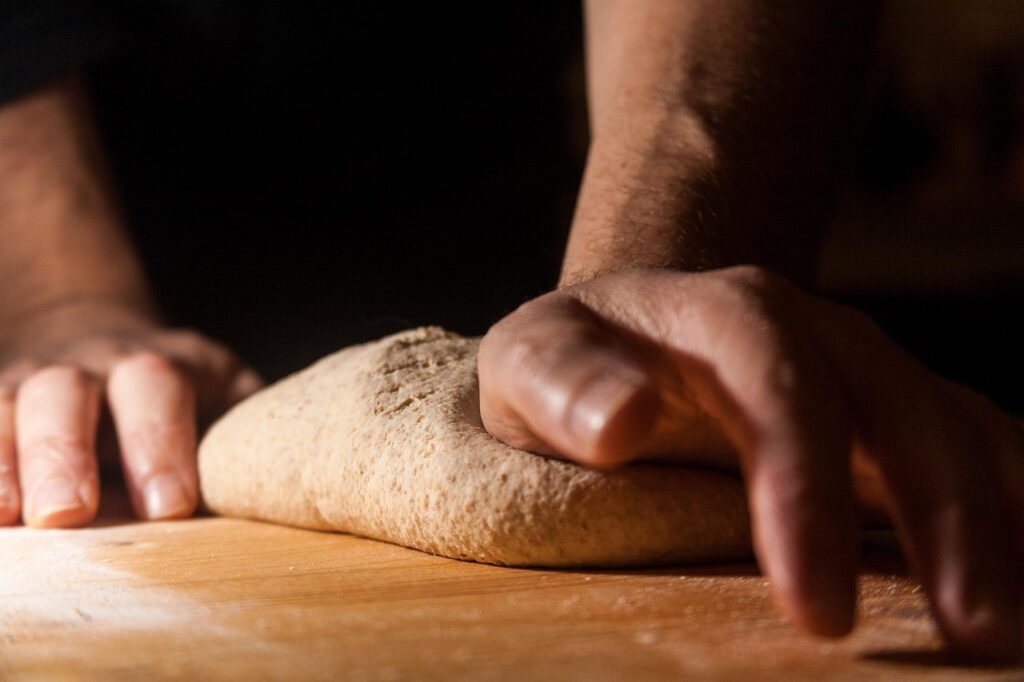
Gluten is a mix of proteins, mainly gliadins and glutenins, found in wheat, barley and rye. It gives bread and pasta dough its elasticity. For most people it is harmless, but in someone with celiac disease it damages the small intestine, according to NIDDK.
If you searched gluten what is it, what does gluten mean or what is gluten for, the answer is the same. This guide covers the basics and, at the end, points you to the article you need for each follow-up question: diagnosis, foods, labels, diet and where to eat.
Published on 6 October 2026 with data from FACE, ACECOVA, the University of Navarra Clinic, NIDDK, the NHS and Harvard.
Short answer: gluten is a group of proteins in wheat, barley and rye that gives bread dough its elasticity. For most people it causes no problem. For the 1% of the population with celiac disease it damages the gut (NIDDK), and in Spain FACE estimates that about 75% of celiacs still do not know they have it.
What is gluten?
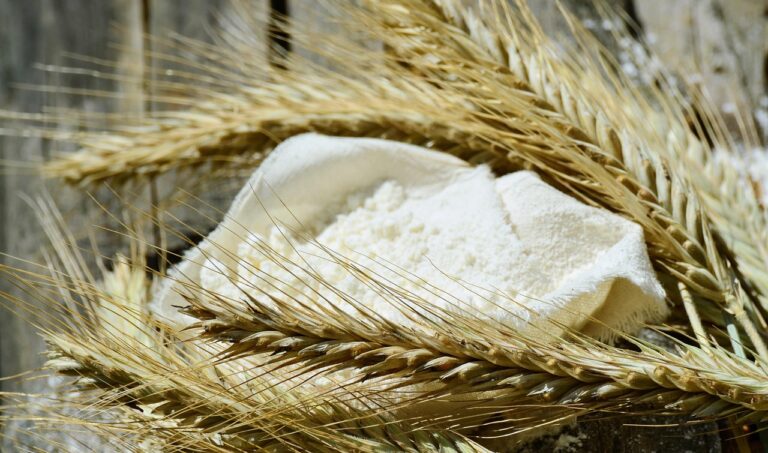
Gluten is a protein complex that forms when the flour of certain cereals, particularly wheat, barley and rye, is hydrated, according to the University of Navarra Clinic. It is made of two protein families, gliadins and glutenins, which together account for 80 to 90% of the protein in a wheat grain.
Each does a different job. Gliadins give dough its viscosity and stretch. Glutenins add elasticity and strength, which is why pizza dough can be pulled thin without tearing.
Every grain has its own version of these proteins. In wheat they are gliadins and glutenins, in barley hordeins, in rye secalins and in oats avenins (FACE). The fragments that a celiac person’s immune system flags as toxic are called prolamins.
You can see it with your own eyes. Rinse a ball of dough under the tap until all the starch washes out, and you are left with a sticky, fibrous paste, a bit like chewing gum. That is gluten (ACECOVA).
What is gluten for?
What gluten is and what it is for comes down to two lines: a protein that gives dough its structure and thickens food. If you search what is gluten for, that is the short answer.
In the kitchen, gluten is responsible for dough elasticity and for the consistency and fluffiness of bread and baked goods, according to FACE. Thanks to it, dough keeps its shape and bakes up soft.
It also thickens. ACECOVA lists its thickening power as one of the reasons it shows up in so many processed foods, not just flours and breads. That industrial usefulness explains why it turns up where you least expect it, as you will see below.
Where does gluten come from?
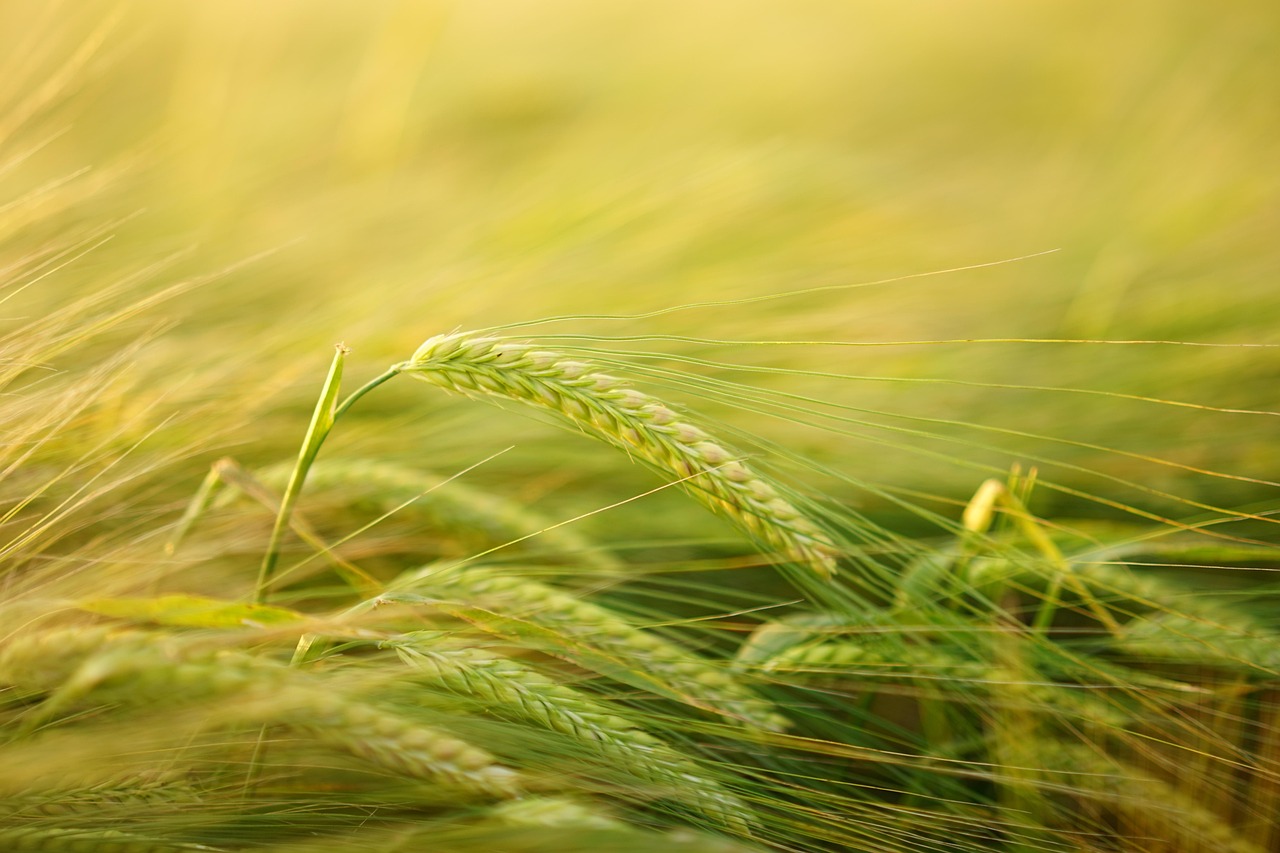
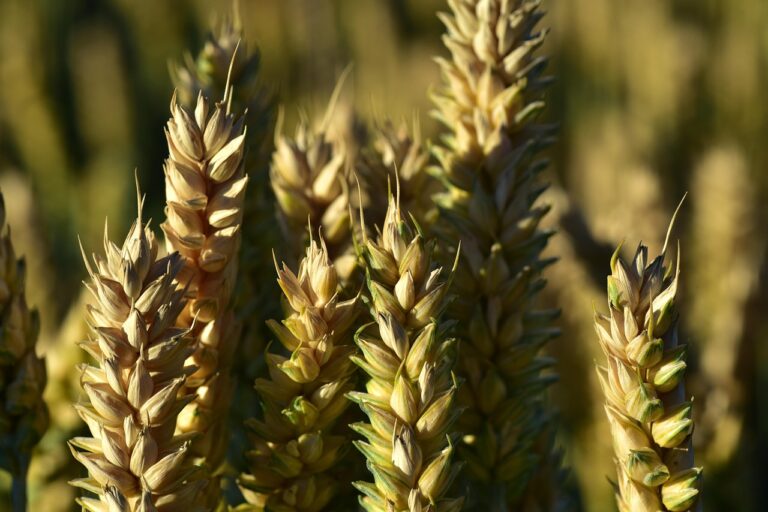
Gluten is found in the seed of many cereals (FACE). Besides gluten, the grain contains starch, germ and bran, and industry can separate those components to make gluten-free products.
| Grain | Gluten proteins | Contains gluten? |
|---|---|---|
| Wheat (including spelt, kamut and emmer) | Gliadins and glutenins | Yes |
| Barley | Hordeins | Yes |
| Rye | Secalins | Yes |
| Triticale (wheat-rye hybrid) | A mix of the above | Yes |
| Oats | Avenins | Tolerated by most celiacs, but often contaminated: choose certified gluten-free oats |
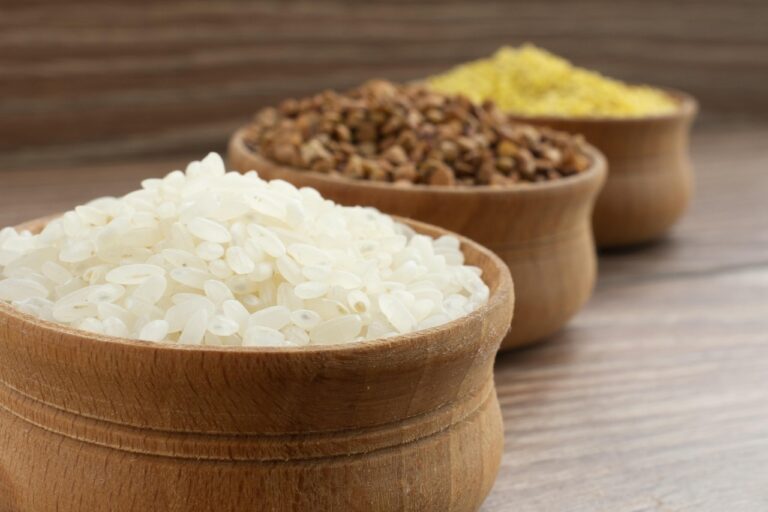
| Rice, corn, millet, buckwheat, quinoa and amaranth | None | No |
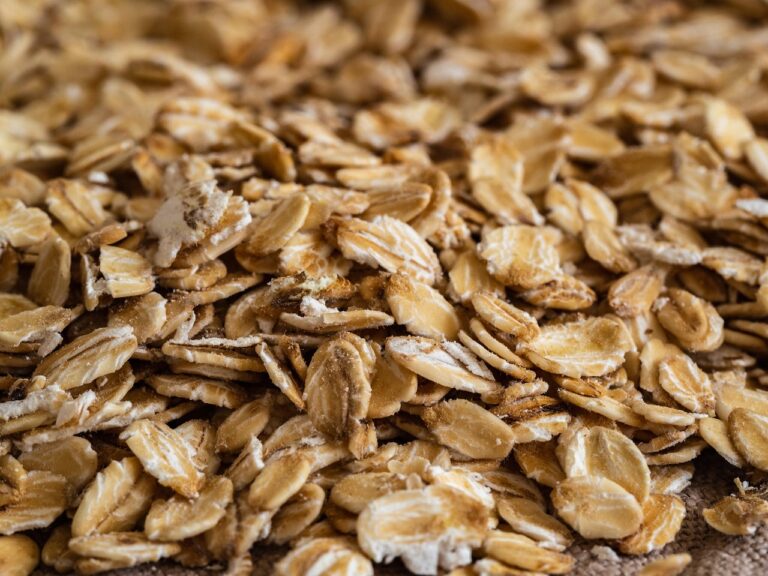
On oats, NIDDK explains that most people with celiac disease can eat moderate amounts as long as they are gluten-free, because cross-contact with other grains is common. For a worked example of another grain, see does rice have gluten?. The guide do oats have gluten? explains how to choose them.
What foods contain gluten?
What gluten is and what contains gluten is answered on three levels, and the foods that contain gluten fall into them: the foods where you already expect it, everyday foods where it hides, and products you do not even eat. Knowing what is gluten in food, and what foods contain gluten in your weekly shop, means knowing all three.
| Level | Examples |
|---|---|
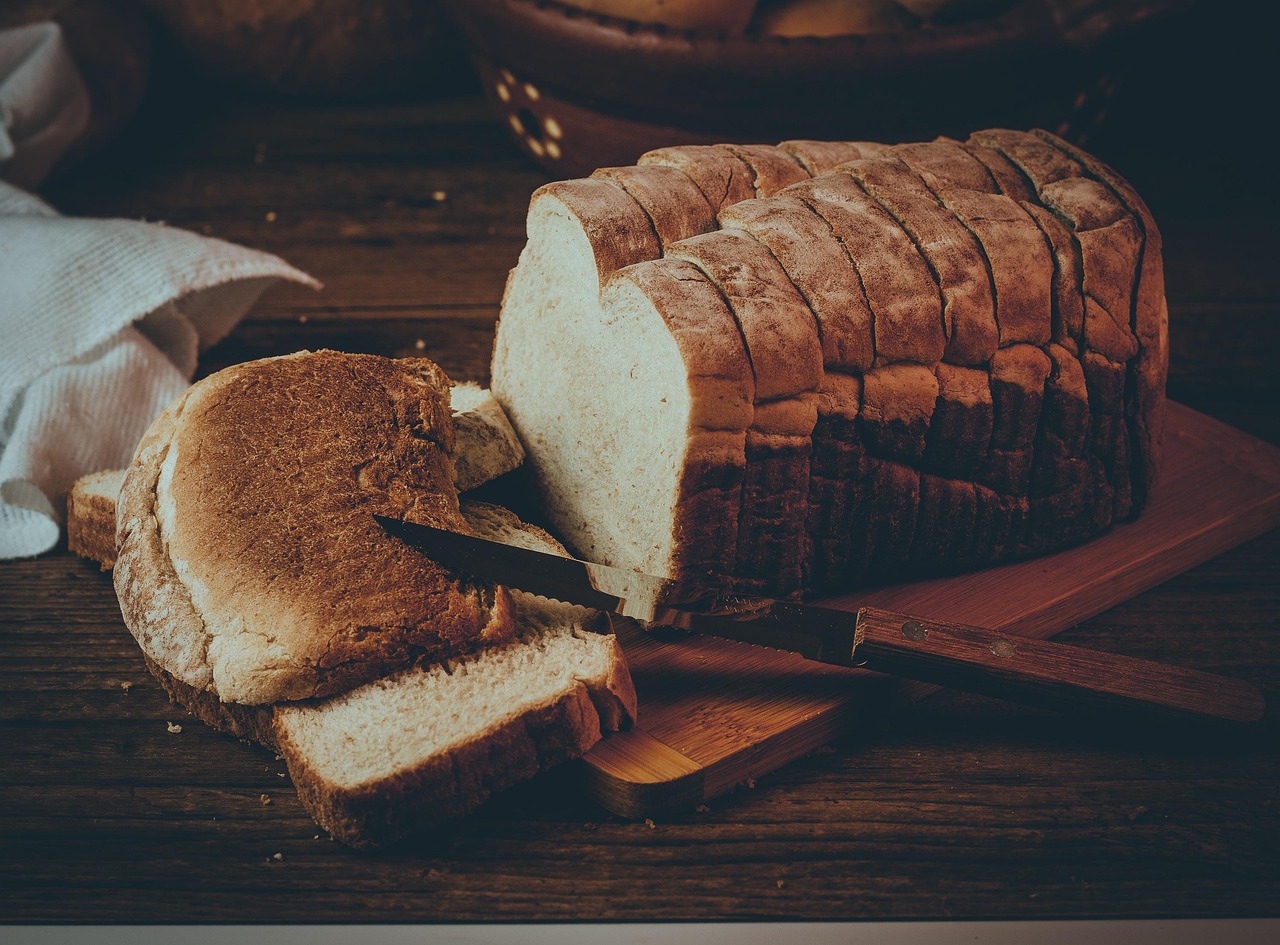
| Obvious | Bread, pasta, cookies, cakes and any wheat dough (NIDDK) |
| Hidden in food | Colorings, flavorings, starches and thickeners made from gluten grains; candy, condiments, hot dogs and sausages, ice cream, salad dressings and soups (NIDDK) |
| Drinks | Beer, lagers, ales and malt beverages (NIDDK) |
| Outside the pantry | Lip balms and lipsticks, toothpaste, vitamin supplements and, rarely, medicines (NIDDK) |
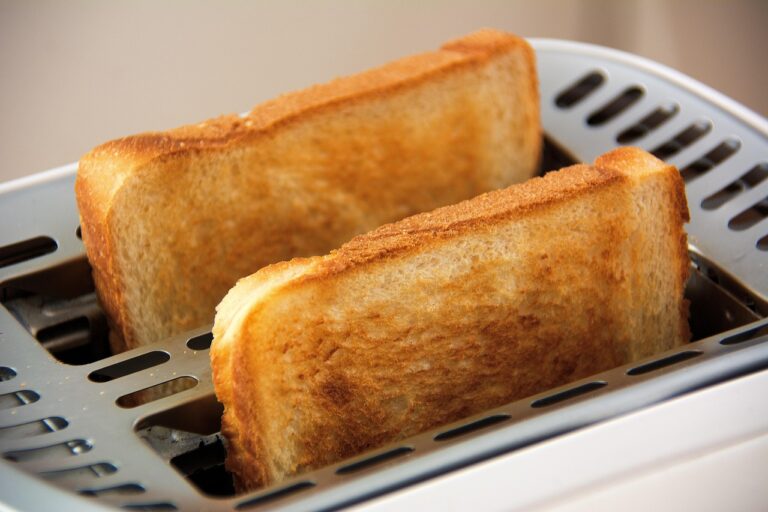
Pasta is the clearest case. It is made from wheat flour, and gluten is what keeps it firm when you boil it.
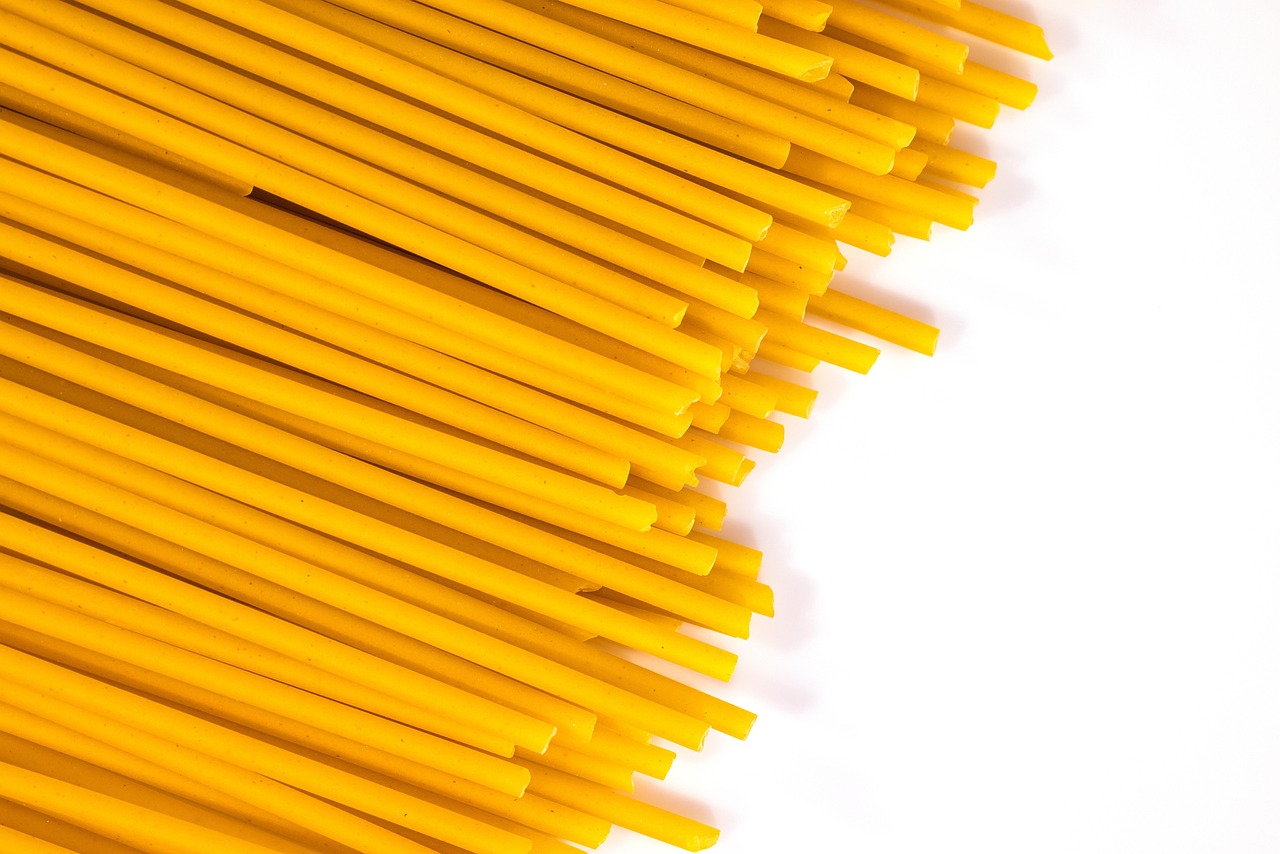
Three foods cause plenty of doubt and have their own guide: does bread have gluten?, does rice have gluten? and does beer have gluten?. And the flip side, what you can eat and how to check it, is in what can celiacs eat.
What does gluten do to the body?
Many people do not fully digest gluten. Fragments of protein are left undigested, and the immune system can detect them and treat them as a threat, with an inflammatory, allergic or autoimmune reaction (CUN). What gluten does to the body depends on who eats it, and for most people nothing happens.
In someone with celiac disease, the process has four steps, according to the NHS:
- They eat gluten.
- Their immune system attacks their own tissues.
- The small intestine is damaged.
- The body absorbs nutrients less well.
The most common symptoms are diarrhea, abdominal pain and bloating. Tiredness, unexplained weight loss, an itchy rash, fertility problems or nerve damage can also appear (NHS). The full picture is in what is celiac disease?.
Celiac disease, gluten sensitivity and wheat allergy
Gluten can cause trouble in three different ways, and they are often confused. Harvard adds a fourth, dermatitis herpetiformis, an autoimmune skin rash triggered by gluten.
| Celiac disease | Non-celiac gluten sensitivity | Wheat allergy | |
|---|---|---|---|
| What it is | Autoimmune disease that damages the small intestine | Similar symptoms, no antibodies or gut damage | Allergic reaction to wheat proteins, not only gluten |
| Gut damage | Yes | No | Not long-term |
The definitions in the table come from NIDDK and Harvard. To tell them apart in more detail, start with gluten intolerance, allergy or sensitivity.
Celiac disease deserves one more number, because almost nobody knows they have it. FACE estimates around 450,000 affected people in Spain, twice as often women as men, with roughly 75% undiagnosed (FACE). Harvard gives an even higher figure for the United States.
With so many people undiagnosed, it is worth knowing the signs. The home test to know if you are celiac explains which ones to look for and why a pharmacy kit is not enough.
Does gluten cause inflammation? Does it have benefits?
The answer depends on who you ask, and the science is clear on one point. Harvard summarizes that there is no evidence that removing gluten reduces inflammation in people without celiac disease. The idea that gluten causes inflammation in everyone rests on what happens in celiacs, and it has not been shown outside that group.
Two studies cited by Harvard show it. One followed more than 100,000 people without celiac disease and found no link between long-term gluten intake and heart disease risk. The other, with nearly 13,500 women followed for 28 years, found no link between gluten and cognitive decline either.
And the benefit of gluten? People who tolerate it get fiber and nutrients from the whole grains that contain it, such as whole wheat. Harvard notes that cutting gluten while also cutting whole grains could raise heart disease risk, and that gluten-free products tend to be less fortified with folic acid and iron (Harvard Health).
If you are celiac, all of this changes: for you the gluten-free diet is the treatment. It is covered in gluten free diet: the complete guide.
What does “gluten free” mean on a label?
“Gluten free” means the product has less than 20 ppm (mg per kg) of gluten, under Regulation (EU) 828/2014 as explained by FACE. It is the only limit that guarantees safety for a celiac.
The claim “very low gluten” covers products between 20 and 100 ppm, and FACE warns that this amount can damage a celiac person’s gut. If you are looking up what does gluten free mean because you just got a diagnosis, keep only the first one.
In Spanish the label reads “sin gluten”, which means the same. The tricks for reading a whole label are in the gluten free diet guide.
What to do if you suspect gluten disagrees with you
The most important point comes first: do not cut out gluten on your own. The NHS says you should keep eating gluten when you have the blood test, because avoiding it can give an inaccurate result, and that you should not start a gluten-free diet until a specialist confirms the diagnosis (NHS).
- Talk to your doctor and describe your symptoms and how long you have had them.
- Get the blood test while eating gluten as normal.
- Wait for confirmation before changing your diet.
- If the diagnosis is positive, book a dietitian and continue with gluten free diet: the complete guide.
And if dairy also upsets you at the start, that is common: we explain it in gluten free and lactose free.
Guide by topic: everything that follows gluten
This is the map to the rest of our articles. Start with the one closest to your question.
Understand celiac disease
- what is celiac disease? causes, symptoms and treatment
- home test to know if you are celiac what works and what does not
- gluten intolerance, allergy or sensitivity how to tell them apart
What you can eat
- do potatoes have gluten? fries, crisps and omelet
- what can celiacs eat safe foods and how to check them
- does bread have gluten? brands and traps
- does rice have gluten? and other grains
- does beer have gluten? what your options are
- gluten free breakfast for celiacs step-by-step recipes
Living gluten free
- gluten free diet: the complete guide labels, cross-contact and first steps
- gluten free and lactose free when dairy disagrees too
Eating out in Valencia
- restaurant for celiacs in Valencia 100% gluten free certified kitchen
- gluten free restaurant in Valencia 100% gluten free certified kitchen
- gluten free breakfast in Valencia when we open and what is on
- gluten free menu the full menu
Eating gluten free in Valencia
At Gato Blanco the whole kitchen is 100% gluten free, from the bread to dessert, and certified by ACECOVA, the Celiac Association of the Valencian Community. We are a gluten free restaurant in Valencia, in La Zaidía, a 7-minute walk from the Serranos Towers, and you can order any dish on the gluten free menu without asking what is in it.
If breakfast is what you are after, everything is in gluten free breakfast in Valencia. And an honest note: gluten is not the only allergen, and our kitchen works with dairy, egg and nuts. If you have another allergy, tell us when you sit down.
FAQ
What is gluten in simple terms?
A mix of proteins found in wheat, barley and rye. It forms when flour is mixed with water and gives dough its elasticity. According to the University of Navarra Clinic (CUN), gliadins and glutenins make up 80 to 90% of the protein in a wheat grain.
Is gluten a protein?
Yes. FACE, Spain’s celiac federation, defines it as a protein found in the seed of many cereals, and the CUN as a protein complex made of gliadins and glutenins. Each grain has its own version: hordeins in barley, secalins in rye and avenins in oats.
Which grains contain gluten?
Wheat (including spelt, kamut and emmer), barley, rye and triticale, a wheat-rye hybrid. Oats are a special case: most celiacs tolerate them, but NIDDK warns that cross-contact with other grains is common and recommends certified gluten-free oats. The detail on does spelt have gluten? is in its guide.
Is gluten bad for everyone?
No. It only affects people with celiac disease, non-celiac gluten sensitivity, wheat allergy or dermatitis herpetiformis, according to Harvard. A study of more than 100,000 people without celiac disease found no link between long-term gluten intake and heart disease risk.
What does gluten free mean?
In the European Union, a product can only carry the claim if it has less than 20 ppm of gluten, the only limit FACE considers safe for a celiac. “Very low gluten” (20-100 ppm) is not suitable for celiacs.
What does gluten do to the body of someone with celiac disease?
Their immune system attacks the lining of the small intestine when they eat gluten, which reduces how well they absorb nutrients, according to the NHS. It causes diarrhea, abdominal pain, bloating and tiredness, and sometimes weight loss or an itchy rash.
Can I stop eating gluten before being tested for celiac disease?
You should not. The NHS says to keep eating gluten when the blood test is done, because avoiding it can give an inaccurate result, and not to start a gluten-free diet until a specialist confirms the diagnosis.
Sources
- FACE: What is gluten?, Frequently asked questions and Learn to read labels.
- ACECOVA: What is gluten.
- University of Navarra Clinic: Medical dictionary: gluten.
- NIDDK (United States): celiac disease definition and facts and eating, diet and nutrition.
- NHS (United Kingdom): coeliac disease and diagnosis.
- Harvard: The Nutrition Source: Gluten and Think twice before going gluten-free.
This article is for information only and does not replace seeing a doctor or dietitian. If you suspect celiac disease, do not remove gluten before being tested.