Legumes have no gluten. Lentils, chickpeas, beans and soy are suitable for celiacs according to FACE’s classification. What can carry gluten is what gets mixed in with them or done to them afterwards.
Here is each legume and each soy product, one by one, with its risk level. If you need the basics first, start with what is gluten.
Published on October 25, 2026 with data from FACE.
Short answer: legumes have no gluten: lentils, chickpeas, beans and soy are suitable for celiacs. The risk is wheat grains that slip into the bag, bulk buying and processed products such as regular soy sauce. FACE asks to sort them by hand before cooking.
Do legumes have gluten?
No. According to FACE‘s classification, dried legumes and pulses, such as beans, chickpeas, lentils or soy, are suitable foods. FACE adds two conditions: always sort them by hand, because they can contain wheat grains, and never buy them in bulk.
Legumes do not contain gluten themselves. The FACE warning is there because a wheat grain can slip in among the grains in a bag, and because bulk buying multiplies that risk.
Ones that come already cooked are treated differently. Legumes canned “plain” are suitable, and cooked ones, such as a fabada, and legume flours are specific products: they only work with the “gluten free” claim or after checking the label. To see what else fits on the plate, read what celiacs can eat.
Do lentils have gluten?
No, lentils have no gluten. Dried lentils are suitable according to FACE, on condition that you sort them by hand before cooking. Canned cooked lentils are different: FACE excludes them from generic products, so the label has to be checked.
If you wondered whether lentils carry gluten, the answer is the same. Gluten only exists in wheat, barley, rye and uncertified oats, and the lentil is a pulse unrelated to them. To go through the cereals one by one, see gluten free cereals.
Does soy have gluten?
Soy has no gluten. The dried soybean is a suitable legume according to FACE, just like lentils, sorted by hand and not in bulk. What changes with soy is its derivatives, and that is where the risk lies.
Regular soy sauce is listed as not suitable in FACE’s classification, and only “gluten free” soy sauce works, as a specific product. It is one of the places where gluten hides most in Asian cooking, so it is worth checking every time.
The other derivatives are specific products: tofu, tempeh, miso, textured soy protein, soy drinks and juices and soy desserts. Depending on the brand and formula they may contain it, so they only work with the “gluten free” claim or a checked label.
Legumes and soy products, one by one
This is the complete list, sorted from suitable to not suitable foods. Each card carries its photo and its level: green if suitable, amber if the label needs checking and red if it does not work.
Dried and canned legumes: which ones have gluten and which do not
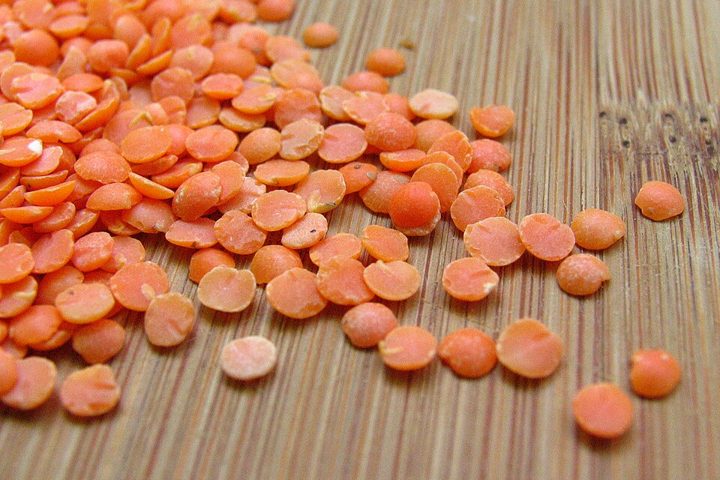
Lentils
Dried: sort them by hand in case of wheat grains.

Chickpeas
Dried or naturally canned. Never in bulk.
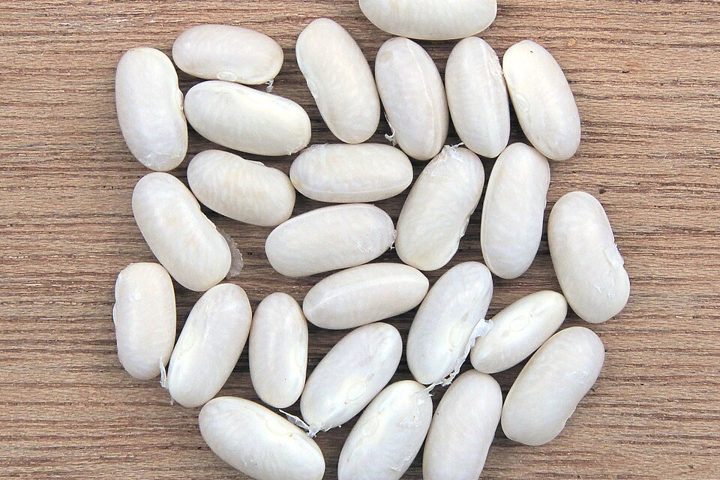
Beans
Dried: sort them by hand before cooking.

Soybeans
Dried soy is suitable. Sort it by hand and avoid bulk.

Peas
Fresh, frozen or dried; dried ones, sorted by hand.
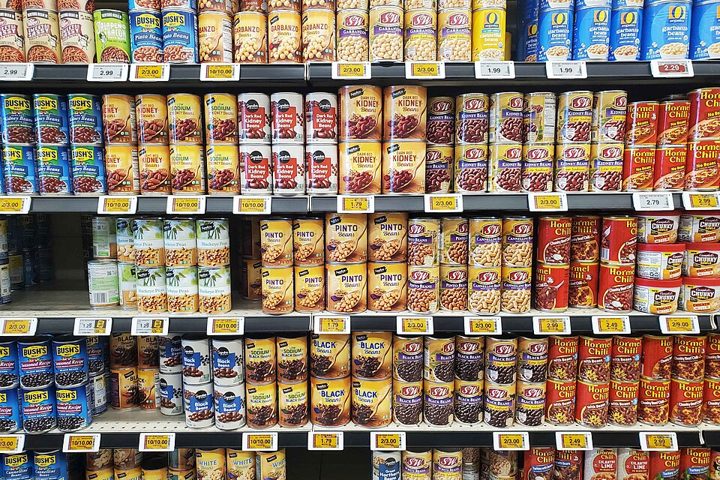
Naturally canned legumes
Cooked or pre-cooked "plain".
Soy products: which ones have gluten and which do not
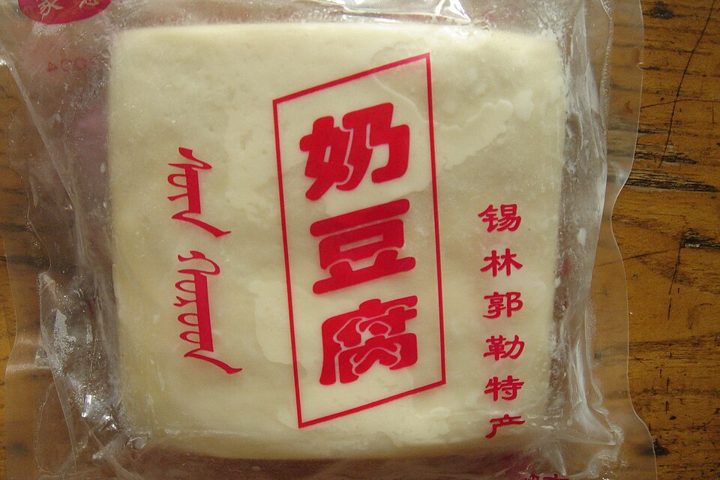
Tofu
Specific product: only with "gluten free".
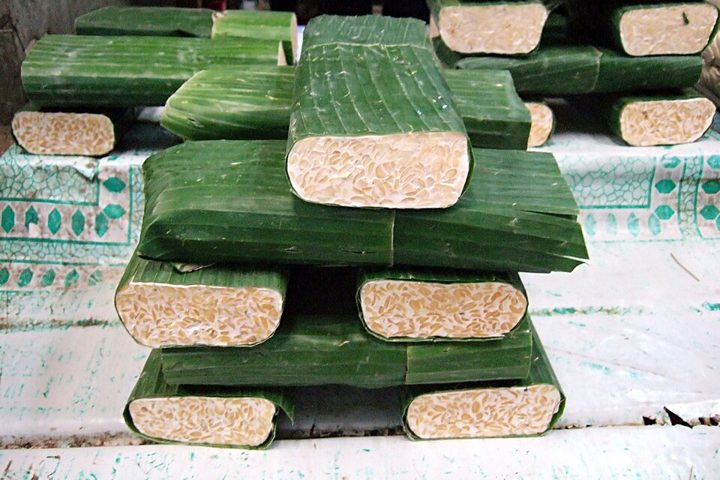
Tempeh
Specific product: check the label.
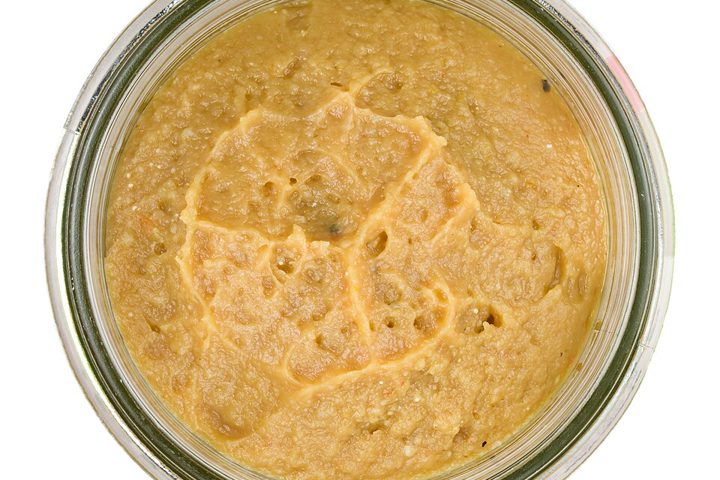
Miso
Specific product: check the label.

Textured soy protein
Specific product: check the label.
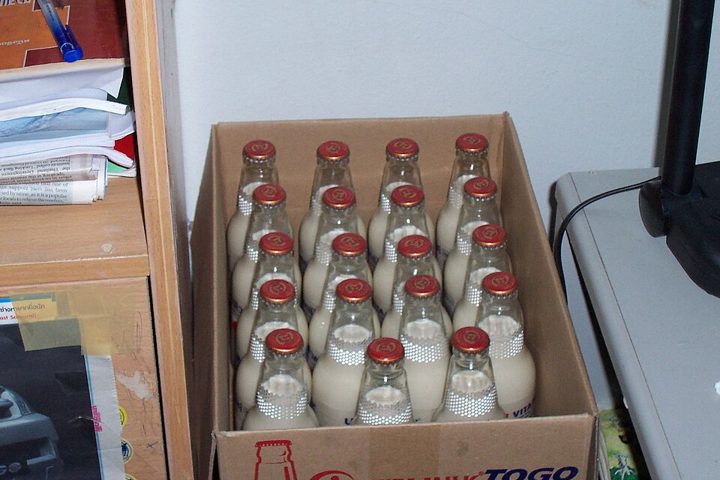
Soy drink
Soy drinks and juices: only with "gluten free".
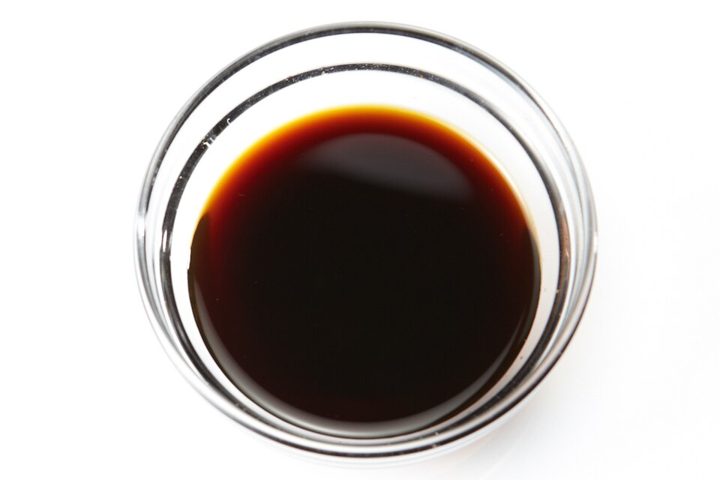
Regular soy sauce
Not suitable; only the gluten free one.
Prepared legumes: which ones have gluten and which do not
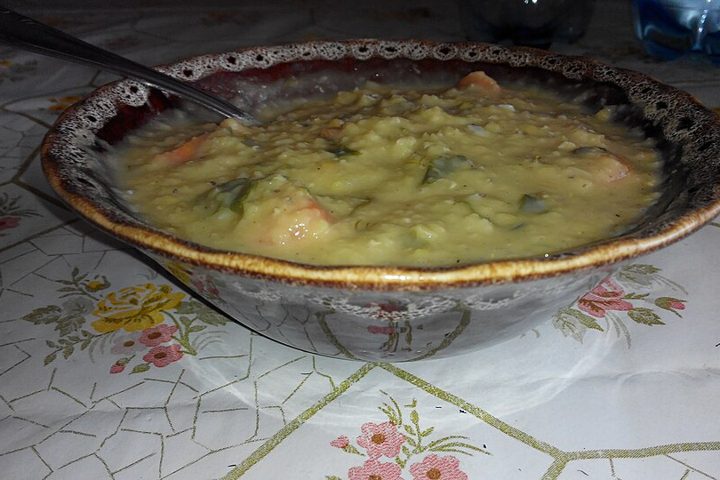
Cooked lentils
Not considered generic: check the label.
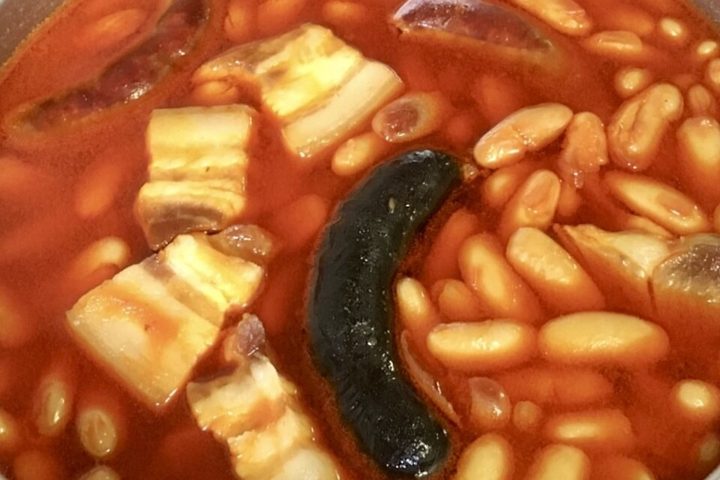
Fabada and legume stews
Cooked legume dishes: check the ingredients.
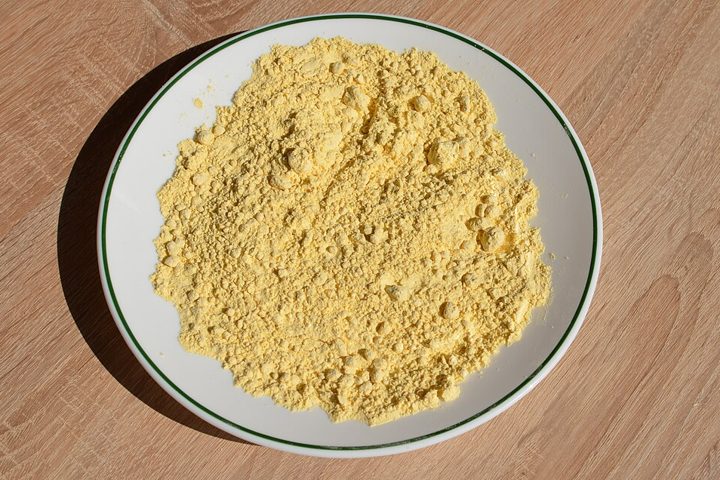
Chickpea flour
Legume flours: only with "gluten free".
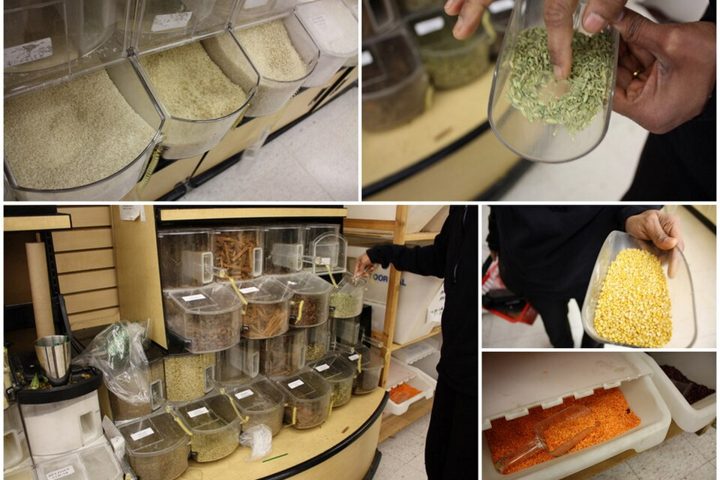
Bulk legumes
FACE leaves them out: higher risk of cross-contact.
How do you sort legumes before cooking?
To buy gluten free legumes, FACE asks to always sort dried ones by hand. It is a one-minute gesture that removes the only real risk:
- Spread the legumes on a smooth, light-colored surface, to see each grain clearly.
- Remove any grain that is not a legume, especially round pale ones that could be wheat or another cereal.
- Buy packaged and avoid bulk, which FACE leaves out of the suitable foods.
- Read the label of cooked ones, canned legumes with sauce and legume flours.
- If in doubt, do not use them. It is FACE’s rule.
To see every food by category, read which foods contain gluten, and to organize the whole diet, gluten free diet: complete guide 2026.
If you also watch lactose, see gluten free and lactose free. And for other gluten free staples, rice and potatoes.
Eating gluten free in Valencia
At Gato Blanco the whole kitchen is 100% gluten free. It is certified by ACECOVA and we hold the FACE Restauración Sin Gluten seal for 2025 and 2026, so you do not have to ask dish by dish.
If you want to know whether a dish contains a specific ingredient, ask the team: we have written allergen information for every dish. Gluten free covers gluten, and in the kitchen we also work with dairy, egg and nuts.
We are a gluten free restaurant in Valencia in La Zaidía, 7 minutes on foot from the Serranos Towers, and an option if you are looking for a restaurant for celiacs in Valencia with the whole menu safe. You can see every dish on the gluten free menu.
Frequently asked questions
Do lentils have gluten?
No. Dried lentils are suitable according to FACE, on condition that you sort them by hand because they can contain wheat grains. Canned cooked lentils are not considered generic and call for a label check.
Do chickpeas have gluten?
No. Chickpeas, dried or naturally canned, are suitable according to FACE. Sort dried ones by hand and do not buy them in bulk. Chickpea flour is a specific product and only works with the “gluten free” claim.
Does soy have gluten?
The dried soybean has no gluten and is suitable according to FACE. Its derivatives, such as tofu, tempeh, miso or soy drinks, are specific products that only work with the “gluten free” claim.
Does soy sauce have gluten?
Regular soy sauce is listed as not suitable in FACE’s classification. Only “gluten free” soy sauce works, which FACE lists among specific products. Always check it in Asian cooking.
Do beans and peas have gluten?
No. Beans are suitable legumes according to FACE. Fresh or frozen peas are treated as a suitable vegetable, and dried ones, like other legumes, are worth sorting by hand.
Do canned legumes have gluten?
Cooked legumes canned “plain” are suitable according to FACE. Cooked lentils and cooked legume dishes, such as a fabada, are specific products and only work with the “gluten free” claim.
Why do legumes have to be sorted by hand?
Because they can contain wheat grains mixed in from the field or the packing, according to FACE’s classification. It is a one-minute gesture, which is why FACE advises doing it always and never buying them in bulk.
Photo credits
Photographs from Wikimedia Commons, under the licenses shown: Lentils: Mytinytank, CC BY-SA 3.0; Chickpeas: AlixSaz, CC BY-SA 4.0; Beans: Rasbak, CC BY-SA 3.0; Soybeans: ally j, CC0; Peas: Jorge Royan, CC BY-SA 3.0; Naturally canned legumes: Born to Barnacle, CC0; Tofu: Wwbread, CC BY-SA 3.0; Tempeh: Sakurai Midori, CC BY-SA 3.0; Miso: D-Kuru, CC BY-SA 4.0; Textured soy protein: Nizzan Cohen, CC BY 4.0; Soy drink: Love Krittaya, Public domain; Regular soy sauce: 국립국어원, CC BY-SA 2.0 kr; Cooked lentils: Dmitry Bagrov, CC BY-SA 4.0; Fabada and legume stews: Amasuela, Luis Lafuente Agudín, CC BY-SA 4.0; Chickpea flour: AlexanderVanLoon, CC BY-SA 3.0; Bulk legumes: Leslie Seaton from Seattle, WA, USA, CC BY 2.0.
This article is informational and does not replace a consultation with a doctor or a dietitian. Product formulations change: always check the label on the package. Source: FACE (classification of foods suitable for celiacs 2021).