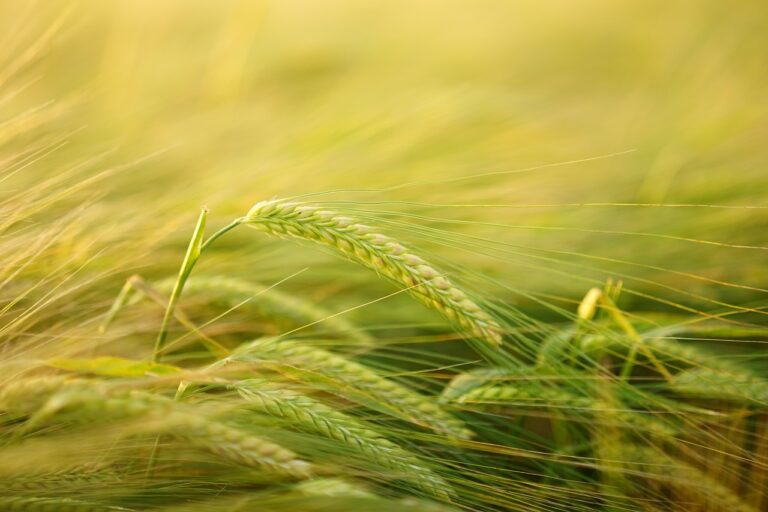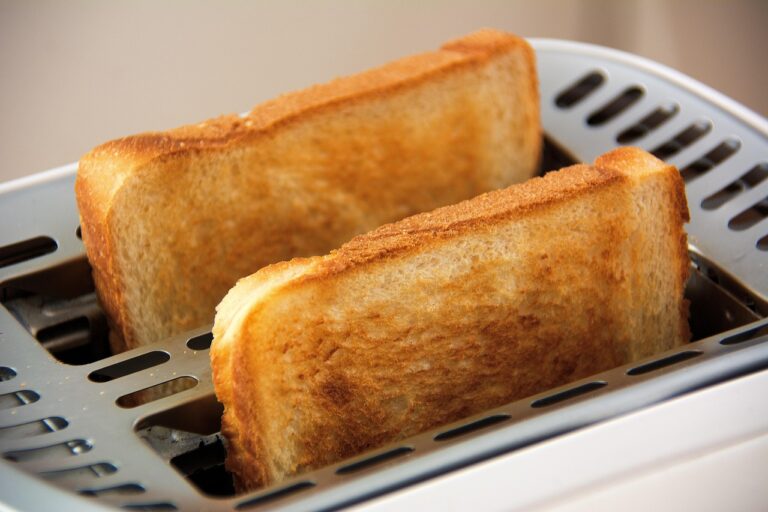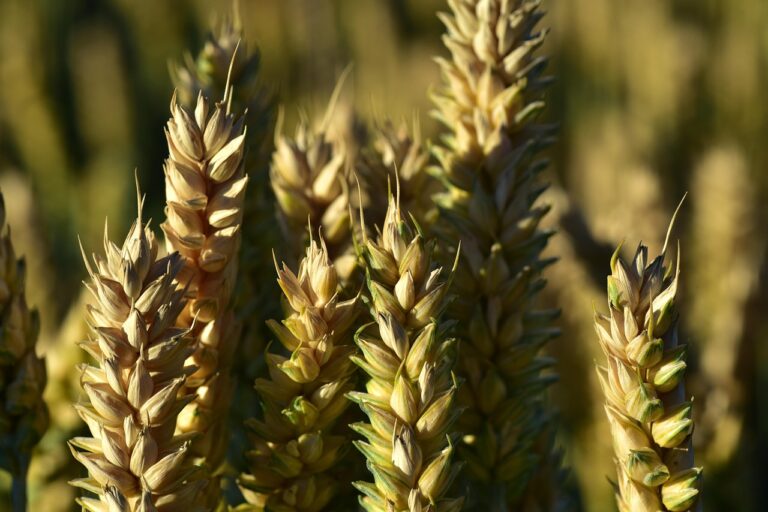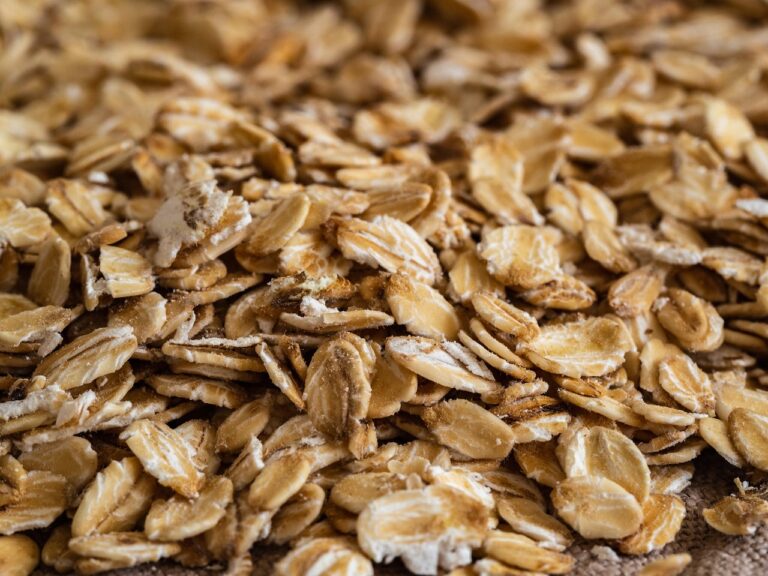
Gluten free cereals are rice, corn, quinoa, amaranth, millet, sorghum, teff and buckwheat. Oats join the list, but only if certified. Wheat, spelt, kamut, barley, rye and triticale have gluten.
That is the short answer. The long one covers what confuses people most: breakfast cereals, whole grains and bulk grains. Here is a full cereal by cereal list, with the guide for each one. If you need the basics first, start with what is gluten.
Published on October 23, 2026 with data from FACE, the SEEN and EU regulations.
Short answer: gluten free cereals are rice, corn, quinoa, amaranth, millet, sorghum, teff and buckwheat, and oats only if certified. Wheat, spelt, kamut, barley, rye and triticale have gluten. For breakfast cereals the “gluten free” label rules, and malt, which comes from barley, never works.
Which cereals do not have gluten?
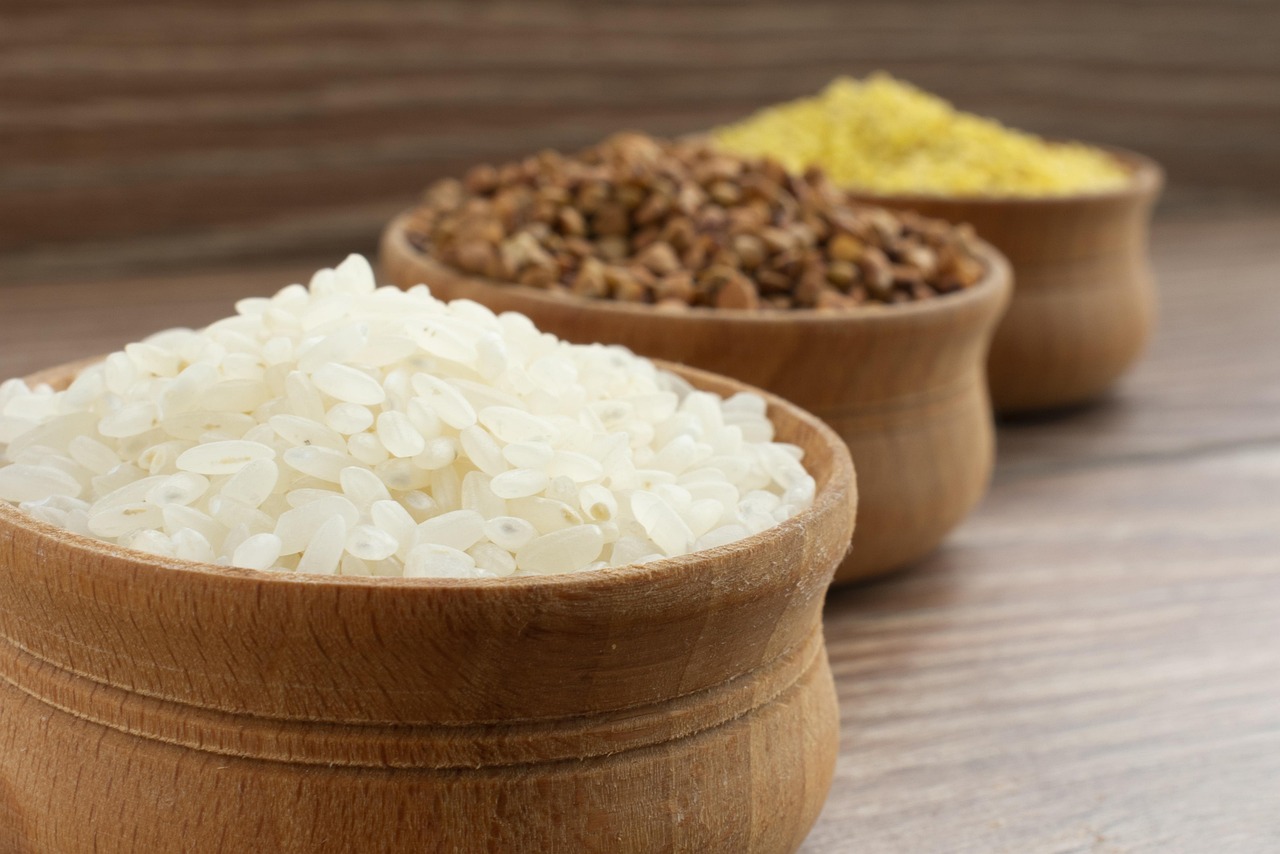
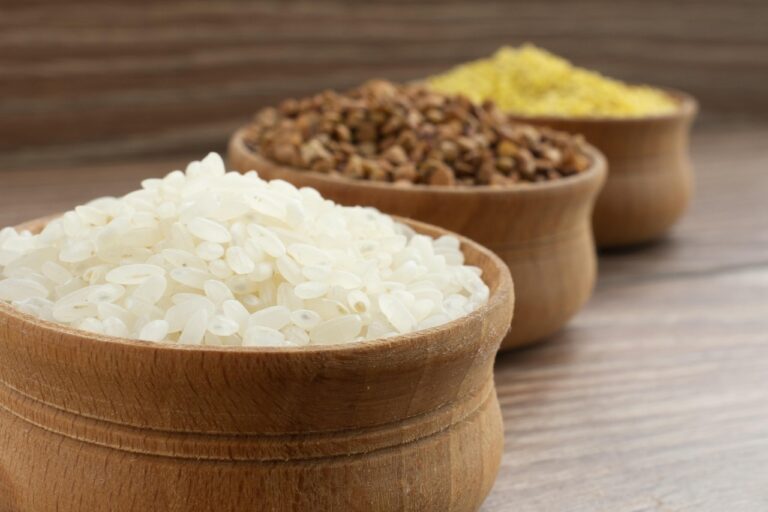
According to FACE‘s classification, the suitable cereals and pseudocereals in grain form are rice, corn, quinoa, amaranth, millet, sorghum, teff and buckwheat. That makes eight, and FACE describes them as naturally gluten free.
There is one important caveat. FACE points out that many of these products are labeled with possible traces of gluten, because they are grown, milled or packed in facilities that also handle wheat. That is why you buy them packaged, with the label in hand.
Oats make a ninth, with conditions: only oats carrying the “gluten free” claim work. It is explained in detail in oats. Rice, the most common of all, has its guide in rice.
Which cereals have gluten?
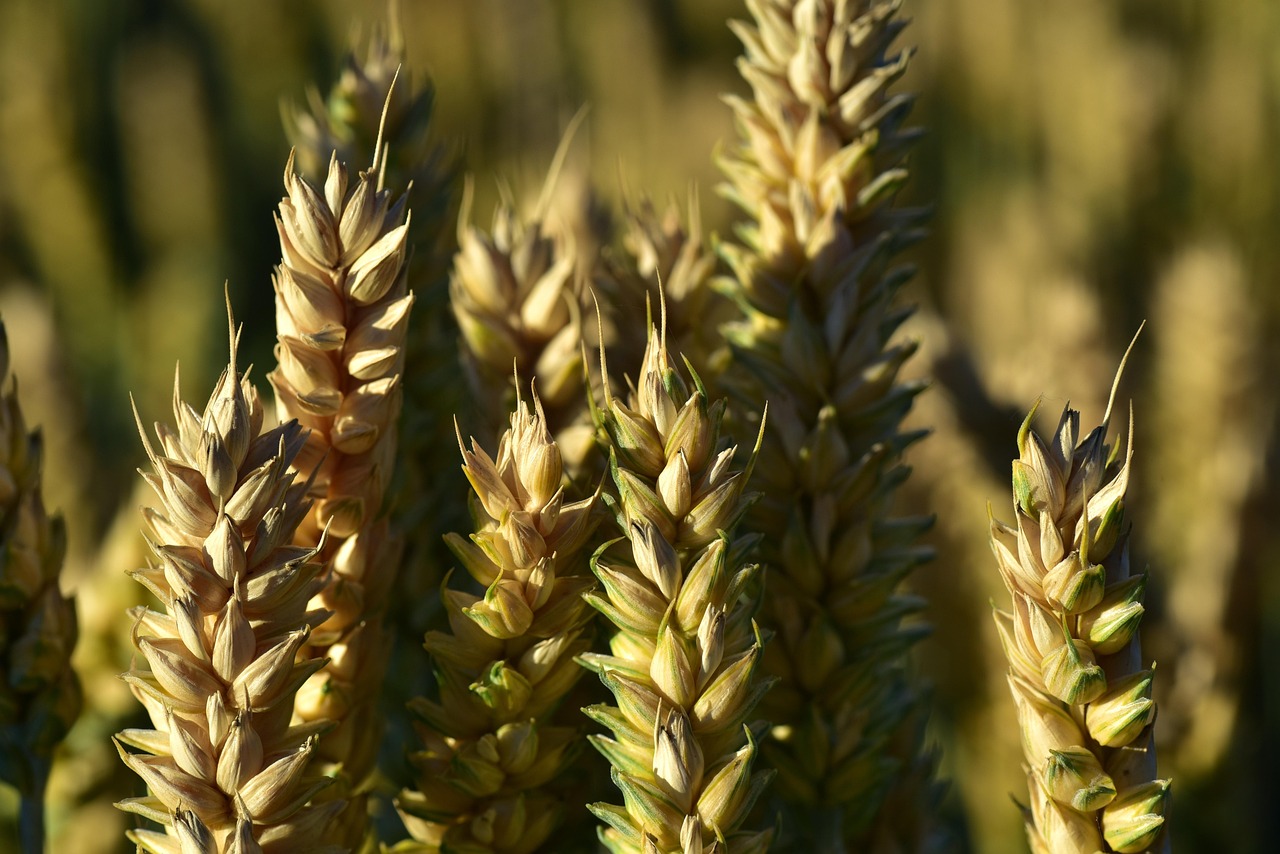
Wheat, spelt, kamut, barley, rye and triticale have gluten. EU allergen regulation groups them as cereals containing gluten, together with oats (Regulation EU 1169/2011, annex II), which is why they are highlighted on labels.
Wheat brings the most gluten to the diet, and spelt and kamut are species of wheat, not alternatives. We develop it in spelt. Barley and rye have their own guide, malt included, in rye and barley.
Triticale, a cross between wheat and rye, counts as a gluten-containing cereal. For what else falls outside the diet, read what celiacs can eat.
Table of cereals with and without gluten, one by one
This is the complete list to check at a glance. It includes what FACE and EU rules say, and which guide to read for the detail:
| Cereal | Has gluten? | What to do |
|---|---|---|
| Rice | No | Suitable in grain form; check the label for traces |
| Corn | No | Suitable in grain form; check the label |
| Quinoa | No | Suitable in grain form; check the label for traces |
| Amaranth | No | Suitable in grain form; check the label for traces |
| Millet | No | Suitable in grain form; check the label for traces |
| Sorghum | No | Suitable in grain form; check the label for traces |
| Teff | No | Suitable in grain form; check the label for traces |
| Buckwheat | No | Suitable in grain form; it is not wheat |
| Certified oats | No | Only with “gluten free”; introduce gradually |
| Regular oats | Yes, through contamination | Do not eat them uncertified |
| Wheat | Yes | Exclude in any form |
| Spelt and kamut (khorasan wheat) | Yes | They are wheat; exclude |
| Barley and barley malt | Yes | Exclude; malt too |
| Rye | Yes | Exclude |
| Triticale | Yes | A cross between wheat and rye; exclude |
If you wonder what else fits in your day to day, there is what celiacs can eat and, to organize the whole diet, gluten free diet: complete guide 2026.
Do whole grain cereals have gluten?
“Whole grain” describes the whole grain, not its relation to gluten. Whole wheat, barley and rye have gluten, just like their refined versions. Whole grain rice, millet, quinoa or buckwheat are still cereals without gluten.
That is why a “whole grain” or “multigrain” bread, cookie or cereal is not suitable just for being whole grain. You have to read the ingredients: if wheat, rye, barley, spelt or malt appears, it has gluten, and only the product with the “gluten free” claim works. For bread, the guide is gluten free bread.
Are breakfast cereals suitable?
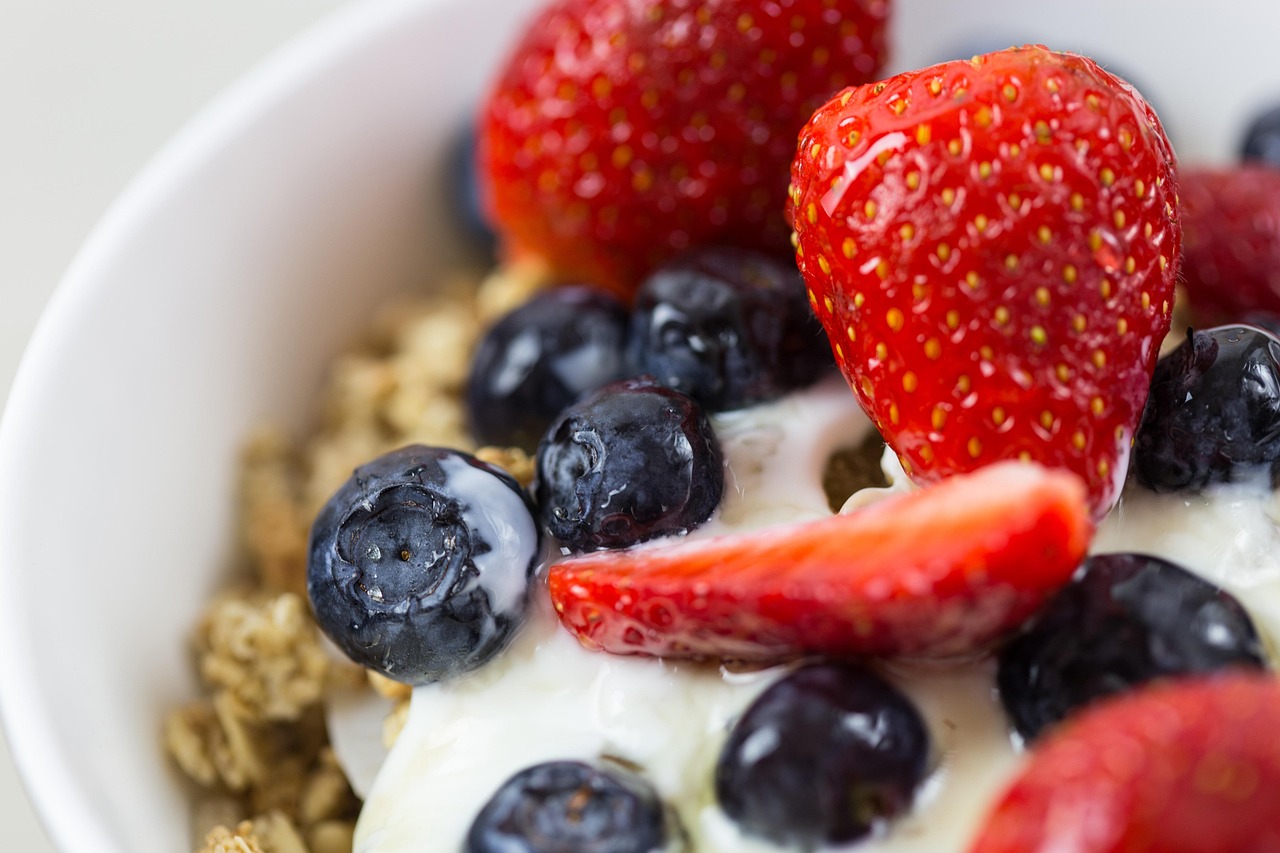
Many breakfast cereals are not suitable. FACE’s classification lists among the unsuitable products malt breakfast cereals, malt extracts and malt syrups, because malt comes from barley. Flakes, muesli and cereal bars only work with the “gluten free” claim.
The base grain does not decide on its own. Some corn or rice flakes carry barley malt among their ingredients, and oat ones can be contaminated. The “gluten free” claim and the ingredient list are what count, not the photo on the box.
To find the ones with a guarantee, look for the “gluten free” claim and, where it exists, the registered mark “Espiga Barrada” (crossed grain), the European certification the SEEN mentions. For breakfast ideas without boxed cereal, see 10 gluten free breakfasts for celiacs.
What about bulk cereals?
Bulk cereal is the highest risk. FACE warns that bulk products carry a higher risk of cross-contact, and among the grains they may share space with are cereals containing gluten.
The rule is simple: buy packaged cereal with the “gluten free” claim. With oats, also certified. If the only format available is bulk, it is wiser to choose another product than to take the risk.
How do you choose gluten free cereals at the store?
- Start with the natural grain (rice, corn, quinoa, millet, buckwheat) in packaged form.
- Look for the “gluten free” claim, below 20 mg/kg, on any processed product.
- Read the ingredients and rule out wheat, barley, rye, spelt, kamut, uncertified oats or malt.
- Check the highlighted allergen. The rules require cereals containing gluten to be emphasized, and it is the fastest way to rule a product out.
- Avoid bulk and unlabeled products.
- If in doubt, do not buy it. It is FACE’s rule.
And remember that “very low gluten” does not work: it allows up to 100 mg/kg and does not suit a celiac. For beer, which also comes from barley, see beer.
Eating gluten free in Valencia
At Gato Blanco the whole kitchen is 100% gluten free. It is certified by ACECOVA and we hold the FACE Restauración Sin Gluten seal for 2025 and 2026, so there is no wheat, barley or rye in the kitchen.
If you want to know whether a dish contains a specific ingredient, ask the team: we have written allergen information for every dish. Gluten free covers gluten, and in the kitchen we also work with dairy, egg and nuts.
We are a gluten free restaurant in Valencia in La Zaidía, 7 minutes on foot from the Serranos Towers, and an option if you are looking for a restaurant for celiacs in Valencia with the whole menu safe. You can see every dish on the gluten free menu, and if you prefer the morning, look at the gluten free breakfast in Valencia.
Frequently asked questions
Which cereals have gluten?
Wheat, spelt, kamut, barley, rye and triticale have gluten. Regular oats count too, because they are often contaminated. EU allergen regulation lists wheat, rye, barley, oats, spelt and kamut as cereals containing gluten.
Which cereals do not have gluten?
According to FACE’s classification, rice, corn, quinoa, amaranth, millet, sorghum, teff and buckwheat are suitable cereals and pseudocereals in grain form. FACE advises checking the label, because many carry traces. Oats only work if certified.
Do breakfast cereals have gluten?
Many do. Malt breakfast cereals are not suitable according to FACE, because malt comes from barley, and flakes and muesli only work with the “gluten free” claim. Rice or corn cereals are not safe on their own either: the label decides.
Do whole grain cereals have gluten?
“Whole grain” says nothing about gluten: it means the grain keeps its outer layer. Whole wheat, rye and barley have gluten. Whole grain rice, millet, quinoa or buckwheat do not, although it is worth checking the label.
Is buckwheat a cereal with gluten?
No. Buckwheat is a pseudocereal unrelated to wheat, and FACE classifies it as suitable in grain form. Because it often carries traces from cross-contact, FACE advises checking the label every time.
Can I buy gluten free cereals in bulk?
It is better not to. FACE warns that bulk products carry a higher risk of cross-contact. Buy packaged cereal with the “gluten free” claim or, for oats, certified oats.
What is the best gluten free cereal for breakfast?
It depends on what you like, but the safety criterion is the same: the product must carry the “gluten free” claim and must not be made with malt. Rice, corn, millet or certified oat flakes are common options, always with the label in hand.
Are oats a gluten free cereal?
Only if certified. Regular oats are grown and milled next to wheat, barley and rye, and are often contaminated. Oats with the “gluten free” claim suit most celiacs, with the advice to introduce them gradually and with your doctor.
This article is informational and does not replace a consultation with a doctor or a dietitian. Product formulations change: always check the label on the package. Sources: FACE (classification of suitable foods 2021 and advice for a gluten free diet), SEEN (Virtual Classroom, 2025) and EU Regulation 1169/2011.