Celiac disease is a chronic autoimmune disease triggered by eating gluten in people with a genetic predisposition. That is how the Spanish Federation of Celiac Associations (FACE) defines it, and it affects about 1% of the population.
Many people with celiac disease do not know it: FACE estimates that 75% to 80% of cases may remain undiagnosed. If you want to understand the protein behind it first, start with what is gluten.
Updated on September 26, 2026 with data from FACE, the Spanish Ministry of Health, the NHS and NIDDK.
Short answer: celiac disease is an autoimmune disease in which the gluten in wheat, barley and rye damages the small intestine. It affects about 1% of people worldwide (NIDDK), has a genetic basis, can appear at any age and is treated only with a strict, lifelong gluten-free diet.
What is celiac disease and what does it do to the body?
Celiac disease is a chronic digestive and immune disorder that damages the small intestine and is triggered by eating gluten (NIDDK). The immune system mistakes a substance in gluten for a threat and attacks the lining of the intestine, which makes it harder to absorb nutrients (NHS).
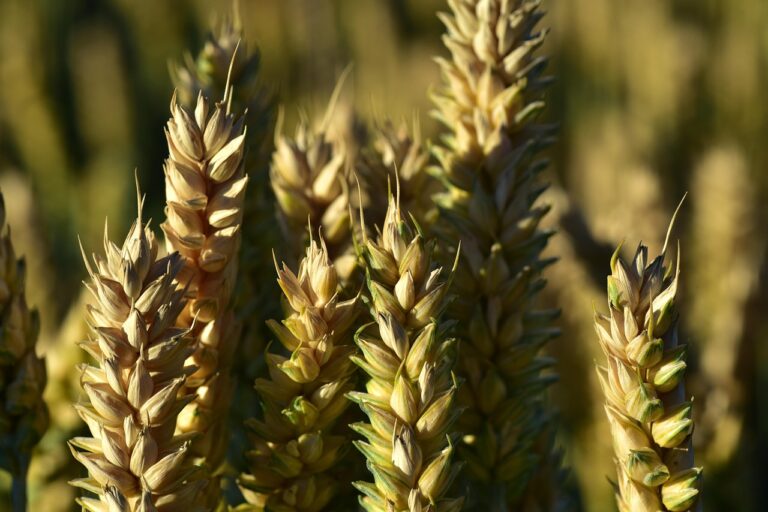
FACE describes it as a multisystem disease that can affect organs beyond the gut. Gluten is a protein found in wheat, barley and rye. That is why it turns up in bread, pasta, cookies and cakes, and in most beers (NHS). NIDDK adds that it can also hide in lip balms, lipsticks, toothpaste, supplements and, rarely, medicines.
Being celiac means avoiding gluten for life. NIDDK notes that symptoms can return even with small amounts. For a first look at which foods contain gluten, see our guide on does bread have gluten?.
Celiac disease symptoms: the most common
Celiac disease symptoms vary a lot from person to person: they range from mild to severe, often come and go and, in some cases, never appear (NHS). Digestive symptoms are the best known, but the disease also causes symptoms outside the gut.

Digestive symptoms
According to NIDDK, the most common are:
- Bloating, gas and abdominal pain.
- Chronic diarrhea or constipation.
- Loose, greasy, bulky and bad-smelling stools.
- Nausea or vomiting.
Symptoms outside the gut
- Tiredness, sometimes from anemia (NHS).
- Joint or bone pain, and mental health problems such as depression or anxiety (NIDDK).
- Headaches and balance problems (NIDDK).
- Tingling or numbness in the hands and feet, and difficulty getting pregnant (NHS).
- An itchy, blistering rash, dermatitis herpetiformis (NIDDK).
Celiac disease symptoms in children
In children, NIDDK highlights slowed growth and short height, delayed puberty, weight that does not rise as it should, weight loss, mood changes and damage to the enamel of permanent teeth.
Other people have similar symptoms without being celiac, so symptoms alone confirm nothing. Confirmation comes with a blood test and, in many cases, a biopsy. The full steps are in medical tests and diagnosis of celiac disease.
Is celiac disease hereditary?
It has a strong genetic component. Celiac disease almost always occurs in people with the HLA-DQ2 or DQ8 variants, but about 30% of the population carries them and only about 3% of those people develop the disease (NIDDK). Something else has to happen.
The NHS puts the risk at around 10% when a close relative has celiac disease, such as a parent, brother or sister. For an identical twin of someone with celiac disease, the chance rises to around 75% (NHS).
Because those variants are so common, the NHS concludes that an environmental factor must trigger the disease. Having had a digestive infection, such as rotavirus, makes it more likely.
If a first-degree relative has celiac disease, the NHS recommends getting tested.
How many people have celiac disease and who can get it?
About 1% of people worldwide have celiac disease (NIDDK). In Spain it is estimated to affect 1 in 71 children and 1 in 357 adults (Ministry of Health), and FACE estimates that 75% to 80% of cases may remain undiagnosed.
Anyone with the genetic predisposition can. NIDDK explains that it affects children and adults all over the world, and the NHS that it can develop at any age: you can become celiac at 30 or much later. Reported cases are more common in women than in men (NHS).
Celiac disease is also more common in people with Down, Turner or Williams syndrome (NIDDK), and people with type 1 diabetes or autoimmune thyroid disease are at higher risk (NHS).
Associated conditions
NIDDK notes that some people have celiac disease together with other immune system disorders:
- Type 1 diabetes and autoimmune thyroid diseases.
- Selective IgA deficiency, a condition affecting an antibody that fights infections.
- Rheumatic diseases, such as Sjögren’s syndrome.
- Autoimmune liver diseases, such as autoimmune hepatitis and primary biliary cholangitis.
Types of celiac disease: what the Oslo consensus says
Celiac disease has no grades: according to FACE, you either have it or you do not, whatever the intensity of the symptoms. What does exist is a classification into clinical types, set out in the Oslo consensus. Each type of celiac disease describes how the condition presents in a given person:
| Type | What it means |
|---|---|
| Asymptomatic, subclinical or silent | No symptoms. Usually found through screening, often in relatives of celiacs or in people with autoimmune diseases. |
| Symptomatic | Bloating, abdominal pain, diarrhea or fatigue after eating gluten, with characteristic biopsy findings and positive serology. |
| Classic or typical | Typical digestive symptoms, such as diarrhea, weight loss and malabsorption, with positive antibodies and a diagnostic biopsy. |
| Potential | Positive antibodies and probable symptoms, without characteristic changes in the biopsy. |
| Latent | Genetic predisposition and positive antibodies, with no symptoms or biopsy changes. The Oslo consensus recommends dropping this term. |
| Refractory (resistant) | Persistent symptoms and malabsorption, with intestinal atrophy, despite 12 months on a gluten-free diet. Type II can be linked to lymphoma. |
Source: FACE. Which one applies to you takes a medical diagnosis.
How is celiac disease diagnosed?
Diagnosis starts with a blood test that looks for antibodies and can be confirmed with a biopsy of the small intestine (NHS). You need to keep eating gluten until the tests are done: if you remove it earlier, FACE warns that the tests can give false negatives.
No pharmacy kit or home test can diagnose it. What you can and cannot do from home is explained, step by step, in home test to know if you are celiac.
Diagnosis is also changing. The July 2026 update of the Spanish Ministry of Health protocol adopts the ESPGHAN criteria for diagnosing children without a biopsy and removes genetic testing from the initial diagnosis, according to FACE.
Celiac disease, wheat allergy and gluten sensitivity
When someone says “I am gluten intolerant” they can mean three different things, according to NIDDK:
| Condition | What it is |
|---|---|
| Celiac disease | A chronic digestive and immune disorder that damages the small intestine. |
| Non-celiac gluten sensitivity | Symptoms similar to celiac disease, such as abdominal pain and tiredness, without damage to the small intestine. |
| Wheat allergy | An immune reaction to wheat, with symptoms such as itchy eyes or trouble breathing. |
Complications of untreated celiac disease
Over time, intestinal damage can cause problems outside the gut. NIDDK lists long-term complications such as osteoporosis or softening of the bones (osteomalacia), anemia, malnutrition, and problems with the nervous and reproductive systems.
Rare complications include cancer of the small intestine (adenocarcinoma), liver damage that can lead to cirrhosis or liver failure, and non-Hodgkin lymphoma. That is why the NHS recommends treatment even when symptoms are mild or absent.
Treatment: the gluten-free diet
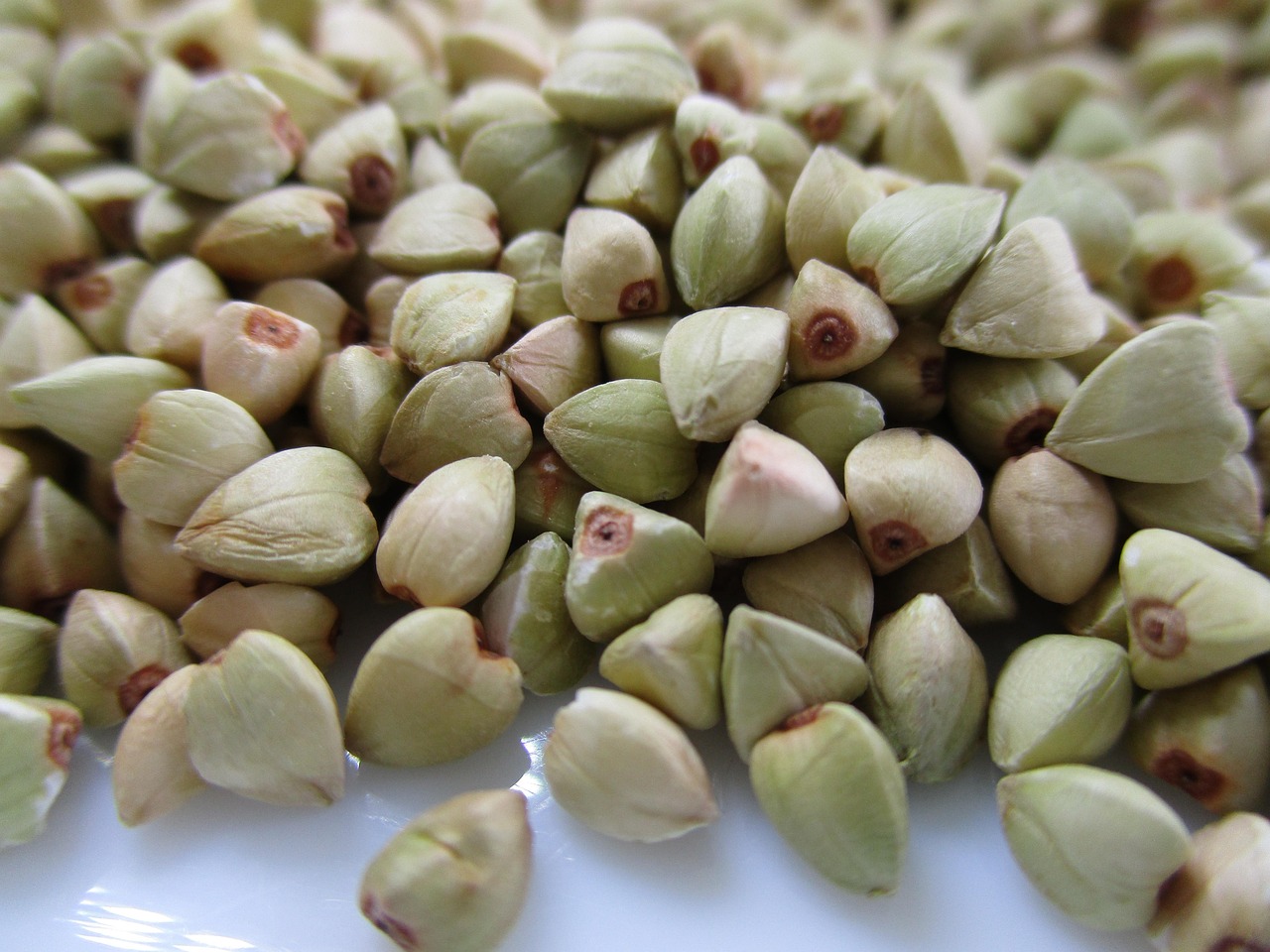
Today the only treatment is a strict, lifelong gluten-free diet (FACE). NIDDK explains that symptoms typically improve and may go away once you start it. The first weeks are hard, especially when eating out.
These guides save you doubts at the start: gluten free beer and does rice have gluten?.
Celiac or coeliac? Spelling, and the Spanish word
Both spellings are correct. Celiac is the US spelling, used by NIDDK, and coeliac is the UK spelling, used by the NHS.
In Spanish, the word is written celíaco (with an accent) or celiaco (without). The RAE accepts both, and FACE notes that in Spain the unaccented form is more common while in Latin America the accented one is (FACE). The word comes from the Greek koilía, “belly” (RAE dictionary).
Celiac Disease Day: when is it
Celiac Disease Day is on May 16. In Spain it used to be marked on May 27, but since 2023 FACE has joined European, American and Australian associations to celebrate it on May 16, so that the celiac community’s voice is heard more strongly worldwide (FACE).
The day aims to give visibility and support to people with celiac disease and to normalize their lives. FACE and its member associations organize activities, campaigns and events that involve the whole of society.
Eating gluten free in Valencia
At Gato Blanco the whole menu is gluten free, from the bread to the dessert, and the kitchen is certified by ACECOVA, the Celiac Association of the Valencian Community. We are a gluten free restaurant in Valencia, in La Zaidía, and you can choose any dish from the gluten free menu without asking what is in it. If you have another allergy, ask us: the kitchen works with dairy, eggs and nuts.
To start the day, we have gluten free breakfast ideas with step-by-step recipes. Want to try it? Book a table or write to us from the contact page. And for more reading, browse the Gato Blanco blog.
Frequently asked questions
What is celiac disease in a few words?
It is a chronic autoimmune disease triggered by gluten in people with a genetic predisposition, according to FACE, the Spanish federation of celiac associations. It damages the small intestine and affects about 1% of people worldwide (NIDDK). Its only treatment is a strict, lifelong gluten-free diet.
Is celiac disease an allergy?
No. According to NIDDK, celiac disease is a chronic digestive and immune disorder that damages the small intestine. Wheat allergy is a different condition with different symptoms, such as itchy eyes or trouble breathing. Non-celiac gluten sensitivity does not damage the small intestine either.
Is celiac disease hereditary?
It has a strong genetic component. The NHS puts the risk at around 10% when a close relative has celiac disease. The HLA-DQ2 or DQ8 variants are carried by about 30% of the population, but only about 3% of those people develop the disease (NIDDK).
How many people have celiac disease in Spain?
In Spain it is estimated to affect 1 in 71 children and 1 in 357 adults (Ministry of Health), and about 1% of the population, in line with the worldwide figure (NIDDK). FACE estimates that 75% to 80% of cases may remain undiagnosed.
Can you become celiac as an adult?
Yes. The NHS says celiac disease can develop at any age, and NIDDK explains that it affects children and adults all over the world. In Spain it is estimated that 1 in 357 adults is celiac (Ministry of Health). If you notice repeated digestive symptoms, book an appointment with your doctor.
Is there a treatment for celiac disease?
Today the only treatment is a strict, lifelong gluten-free diet (FACE). NIDDK explains that symptoms typically improve and may go away once you start it, although they can return if you eat small amounts of gluten. Keep to the diet even when symptoms are mild.
When is Celiac Disease Day?
Celiac Disease Day is May 16. In Spain it used to be marked on May 27, but since 2023 FACE has joined European, American and Australian associations to celebrate it on May 16, so that the voice of the celiac community is heard more strongly worldwide.
Is it spelled celiac or coeliac?
Both are correct. Celiac is the US spelling, used by NIDDK, and coeliac is the UK spelling, used by the NHS. In Spanish, the word is written celíaco or celiaco, and the RAE accepts both forms, according to FACE, so you can use whichever you prefer.
Sources
- FACE: What is celiac disease?, How is it diagnosed?, Celiac Disease Day, Celiaco or celíaco? and update of the early diagnosis protocol (15/07/2026). In Spanish.
- Spanish Ministry of Health: Protocol for the early diagnosis of celiac disease. In Spanish.
- NHS (UK): overview, symptoms, causes and diagnosis.
- NIDDK (US): definition and facts and symptoms and causes.
- Royal Spanish Academy: DLE entry for “celíaco”.
This article is for information only and does not replace a doctor’s advice. If you suspect you may be celiac, book an appointment before changing your diet.