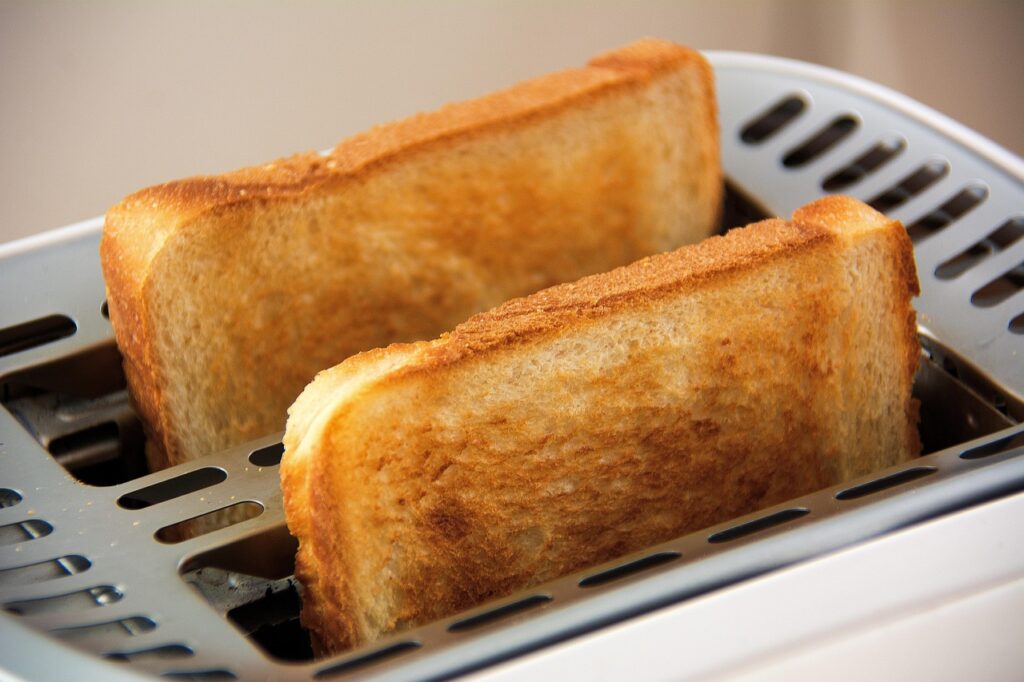
The safest way to have breakfast out as a celiac is a venue with a gluten free kitchen or the FACE seal. At an ordinary cafe, the risk is in the toaster, the oil and the surfaces shared by bread with gluten and food without it.
Here is the risk in each part of breakfast, what to ask before ordering and when it is better to change venue. If you need the basics first, start with what is gluten.
Published on October 18, 2026 with data from FACE and the Spanish Society of Endocrinology and Nutrition (SEEN).
Short answer: the safest way to have breakfast out is a venue with a gluten free kitchen or the FACE Gluten-Free Restaurant seal. Anywhere else, ask about the toaster, the oil, the bread and the plant drink before ordering. FACE sums it up: when in doubt, do not consume it.
What are the risks of eating breakfast out as a celiac?
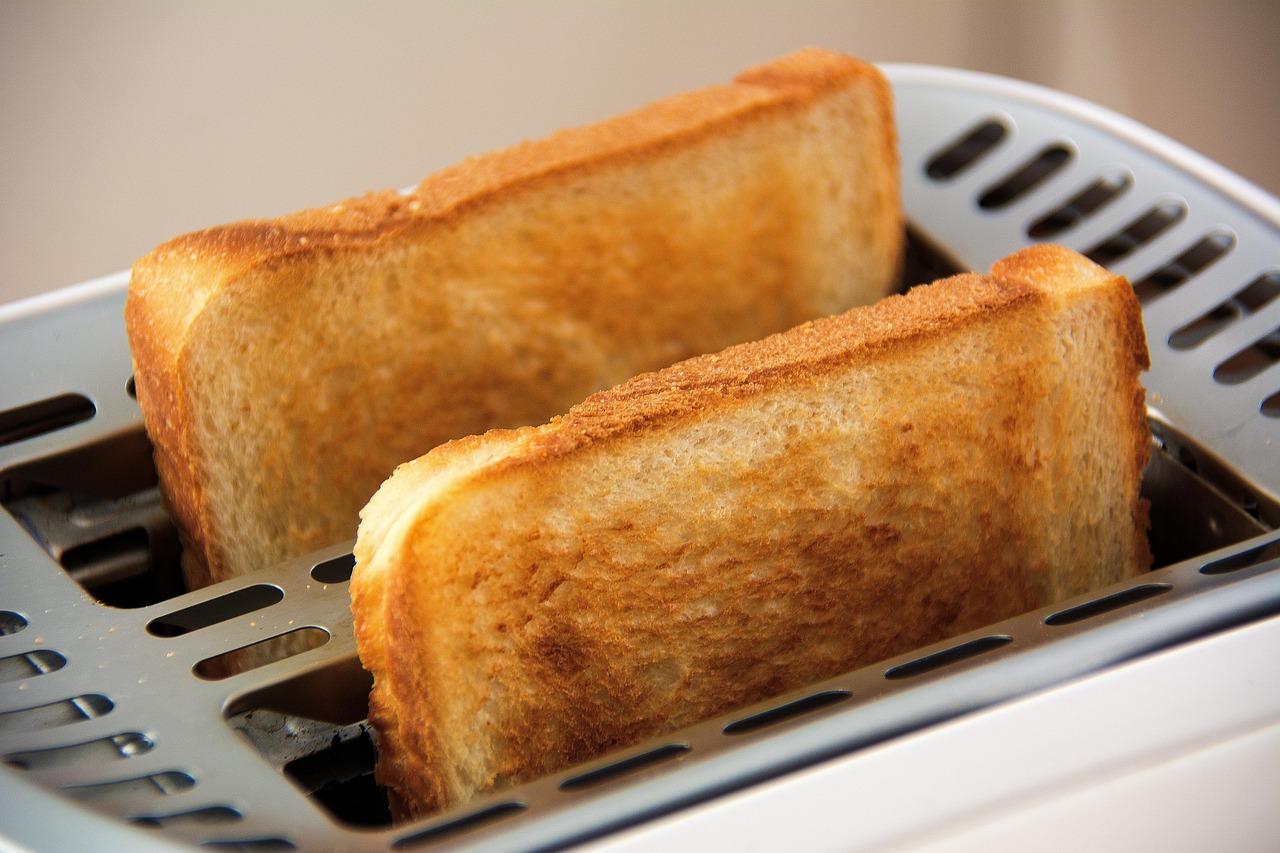
Cross-contact is gluten passing to a gluten free food through shared surfaces, utensils, oil or appliances, according to the SEEN, and it is the main risk of eating breakfast out. FACE asks for extra caution in bars, restaurants and canteens, and gives shared oils for products with and without gluten as an example (FACE advice).
At breakfast, the most delicate appliance is the toaster. The Spanish Society of Endocrinology and Nutrition recommends a toaster and a strainer exclusive to gluten free products, because they are hard to clean. A slice of gluten free bread that goes through a shared toaster stops being suitable.
The same goes for oil. The same source reminds readers not to use oil in which products with gluten were fried, because this protein is not destroyed by heat.
What should you watch in each part of breakfast?
Every item on the breakfast table has its own risk. This table summarizes the most common ones with what FACE and the SEEN say:
| Item | Risk | What to ask or check |
|---|---|---|
| Toast and bread | Bread with gluten and a shared toaster | Is the bread gluten free and is there an exclusive toaster? |
| Pastry and cookies | Wheat flour; FACE does not consider wheat flours and derivatives suitable | Only with the “gluten free” claim and never touching surfaces with gluten |
| Breakfast cereals | Barley malt; FACE does not classify malt cereals as suitable | Only cereals, flakes and muesli with the “gluten free” claim |
| Oat milk | There are AESAN alerts for gluten in oat drinks | Brand and individual package with “gluten free” |
| Griddle or pan | Oil shared with products with gluten | Is oil or a griddle used only for gluten free? |
| Eggs, fresh milk and honey | Low, they are suitable as they are (FACE) | That they are not prepared on shared surfaces |
Bread has its own guide: gluten free bread for celiacs. And if the question is the plant drink, see do oats have gluten?.
How do you know a venue is safe for breakfast?
The most reliable method is to look for the FACE Gluten-Free Restaurant Project seal. According to the SEEN, the project runs activities to verify how gluten free dishes are prepared, the seal is renewed every year and it is displayed on the main door or window of the venue.
The second option is an entirely gluten free kitchen. There you do not need to ask dish by dish, because there is no parallel menu with gluten that could contaminate the other. It is the difference between a place that offers some options and one where everything is.
A menu with symbols is not enough on its own. A menu has no label, and FACE warns that the only valid claim for celiacs is “gluten free”. “Very low gluten”, which allows between 20 and 100 ppm, should not be eaten.
Which 6 questions should you ask before ordering?
- Do you have a toaster exclusive to gluten free bread? If it is shared, ask for the bread untoasted.
- Is the bread gluten free and packaged? That way you can check the claim on the package.
- What oil or griddle is used for cooking? It should not be the one used with products with gluten.
- What brand is the plant drink? Look at the individual package, not only the box.
- Do you have written allergen information? It is the clearest way to check ingredients.
- Do you hold the FACE seal or run a gluten free kitchen? If the answer is no, decide with the information you have.
If the staff cannot answer, that is an answer in itself. With the list of what you can order in what celiacs can eat you will have references to choose from.
Which breakfasts are safe by nature?
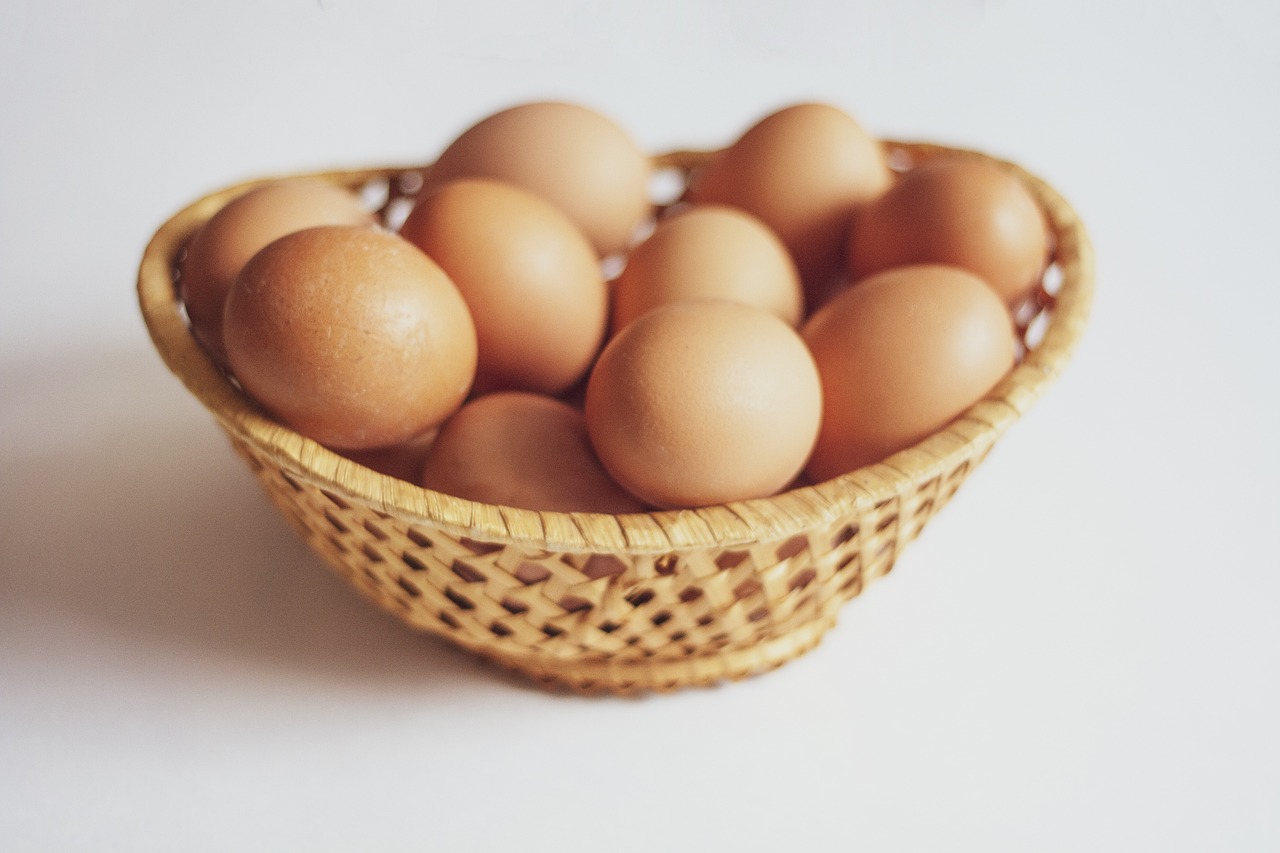
According to FACE’s classification, fresh eggs, fresh milk and honey are suitable foods without any label (FACE classification). With them you can put together a breakfast without relying on processed products.
All other products, such as bread, pastry, cereals or plant drinks, only work with the “gluten free” claim. And even then, in a venue, the risk returns to where and how they are prepared.
For breakfast at home, with exact ingredients and steps, see 10 gluten free breakfasts at home, and to organize the whole diet, gluten free diet: complete guide 2026.
What should you do if you doubt a dish?
FACE’s rule is clear: when in doubt about whether a product contains gluten or not, do not consume it. Ask about the ingredients and the preparation, and if the answer is not clear, choose something else or change venue.
If something makes you feel unwell, talk to your doctor and your local celiac association.
What does Gato Blanco offer for breakfast in Valencia?
At Gato Blanco you do not have to ask these questions. The whole kitchen is 100% gluten free, certified by ACECOVA, and we hold the FACE Restauración Sin Gluten seal for 2025 and 2026, with no toaster or fryer shared with anything containing wheat.
We open Wednesday and Thursday from 9:00 to 21:00, Friday and Saturday from 10:00 to 23:00, and Sunday from 10:00 to 17:00. We are closed Monday and Tuesday. The full morning menu is on our gluten free breakfast in Valencia page.
We are a gluten free restaurant in Valencia in La Zaidía, 7 minutes on foot from the Serranos Towers, and an option if you are looking for a restaurant for celiacs in Valencia. We have written allergen information for every dish: gluten free covers gluten, and in the kitchen we also work with dairy, egg and nuts. You can see everything on the gluten free menu.
Frequently asked questions
Is it safe to have breakfast at a cafe if you are celiac?
It depends on the venue. FACE asks for extra caution in bars and restaurants, and the Spanish Society of Endocrinology and Nutrition recommends venues with the FACE Gluten-Free Restaurant seal. Without it, ask about the toaster, the oil and the bread.
Which breakfasts are safe by nature?
According to FACE’s classification, fresh eggs, fresh milk and honey are suitable conventional foods. Any processed product, such as bread, pastry, cereal or plant drinks, only works if it carries the “gluten free” claim and has not touched surfaces with gluten.
Can I use a cafe’s toaster?
Only if it is exclusive to gluten free bread. The Spanish Society of Endocrinology and Nutrition recommends a toaster exclusive to “gluten free” products, because it is hard to clean. At a cafe with a shared toaster, ask for the bread untoasted or skip it.
Does the oat milk in a coffee have gluten?
It can. FACE has shared Spanish food safety agency (AESAN) alerts for gluten in oat drinks, one of them labeled “gluten free”. Ask for the brand, look at the individual package and, if you cannot check, ask for fresh milk or another drink with the “gluten free” claim.
What does “gluten free” mean on a cafe menu?
A menu has no label to guarantee it. The only thing that secures a gluten free dish is the kitchen process. FACE states that the only valid claim for celiacs is “gluten free” and that “very low gluten” (20 to 100 ppm) should not be eaten.
What should I do if I doubt a dish?
Do not eat it. FACE sums it up: when in doubt about whether a product contains gluten, do not consume it. Ask the staff about ingredients and preparation, and if you do not get a clear answer, choose something else or change venue.
Sources consulted
- Spanish Society of Endocrinology and Nutrition (SEEN), Virtual Classroom: Gluten-related disorders, “Convive” (in Spanish) (2025), by Rodríguez Almagro, García-Manzanares and Lucendo.
- FACE (in Spanish): Advice for a gluten free diet, Classification of foods suitable for celiacs 2021, BiotoBio alert (2023) and YOSOY alert (2024).
This article is informational and does not replace a consultation with a doctor or a dietitian. Product formulations change: always check the label on the package.