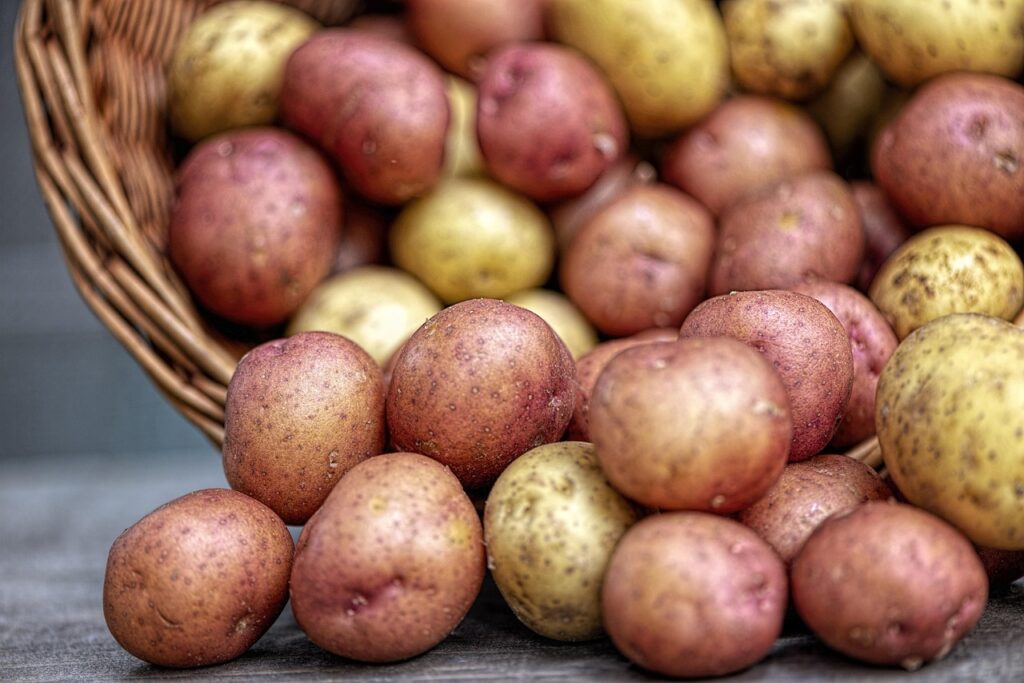
No, potato does not have gluten. Not fresh, boiled or roasted potato, and not its starch or flour either: FACE classifies fresh tubers as conventional foods and potato starch as naturally gluten-free. Gluten only exists in wheat, barley and rye, and potatoes have nothing to do with them.
The trouble is what is done to the potato. A bag of flavored crisps, frozen pre-fried potatoes or instant mash can contain it, and so can the fryer at a bar. Here is when it is safe and when to check. If you still need the basics, start with what is gluten?.
If you search potatoes have gluten, potatoes contain gluten, potatoes gluten, does potato contain gluten or potato has gluten, the answer is the same.
Published on 11 October 2026 with data from FACE, the NHS, NIDDK, Celiac.com and Revista Alergia México.
Short answer: potato does not have gluten, and neither do its starch or flour; FACE classifies fresh potato as safe as it is. Packaged crisps with flavors, frozen pre-fried potatoes, instant mash, gnocchi, croquettes or a pre-cooked omelet can contain it. For those products, the guarantee is a “gluten-free” label (under 20 ppm).
Does potato have gluten? The straight answer
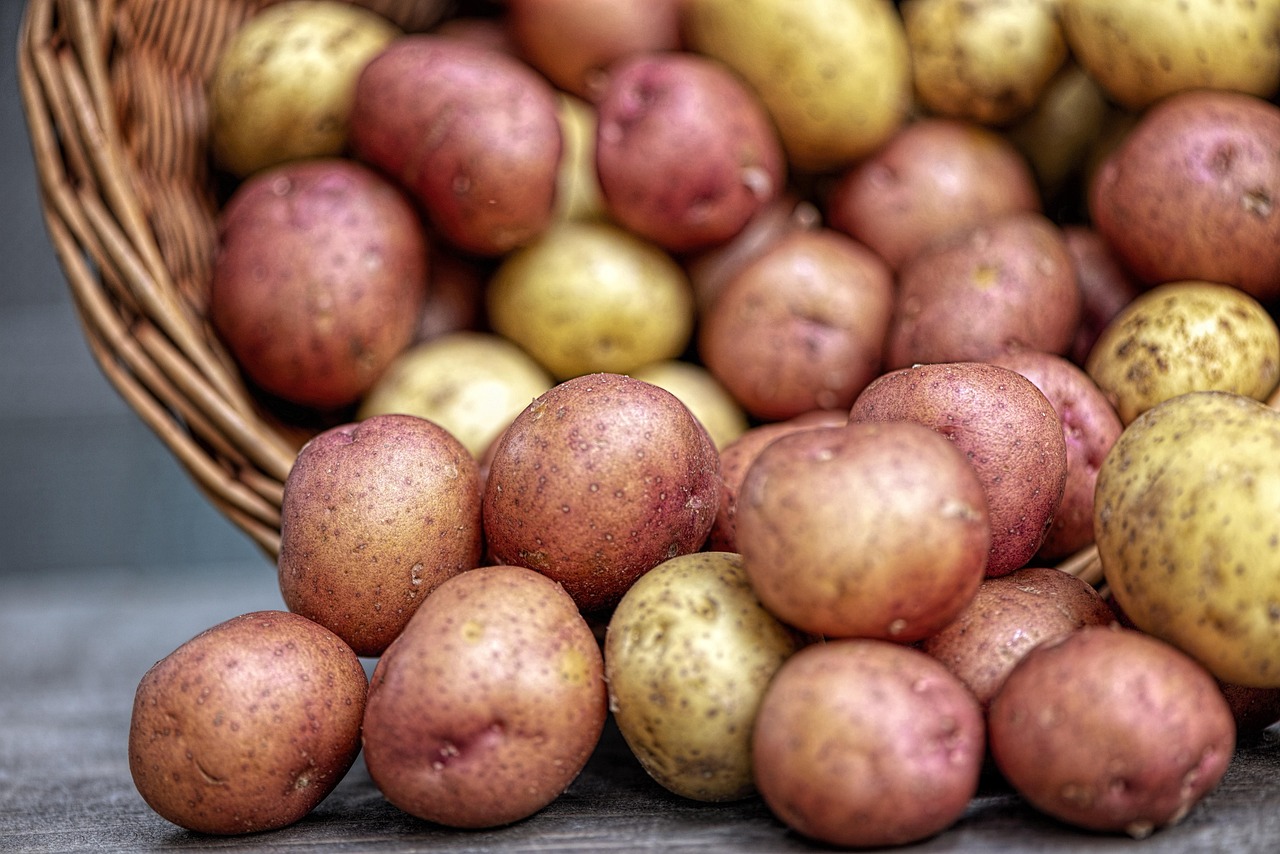
Potato has no gluten because it is a tuber, not a grain. The NHS lists it among safe foods for celiacs, along with fruit, vegetables and rice, and NIDDK says the same about potatoes without additives or seasonings.
The FACE classification puts it at the conventional level: fresh, cooked or naturally canned vegetables and tubers. If you are looking for gluten free potatoes, that is what they are from the start.
The same goes for its derivatives. FACE explains that potato, corn and cassava starches are naturally gluten-free (FACE article on starch), and its classification lists tuber flours among conventional products. The starch that does need care is wheat starch.
So it pays to look at what comes with the potato. Anyone asking whether potatoes have gluten is usually asking about the breading, the sauce or the oil. For what else a celiac can eat, see what can celiacs eat, and for another naturally gluten-free staple, does rice have gluten?.
Which potato preparations are safe and which are not
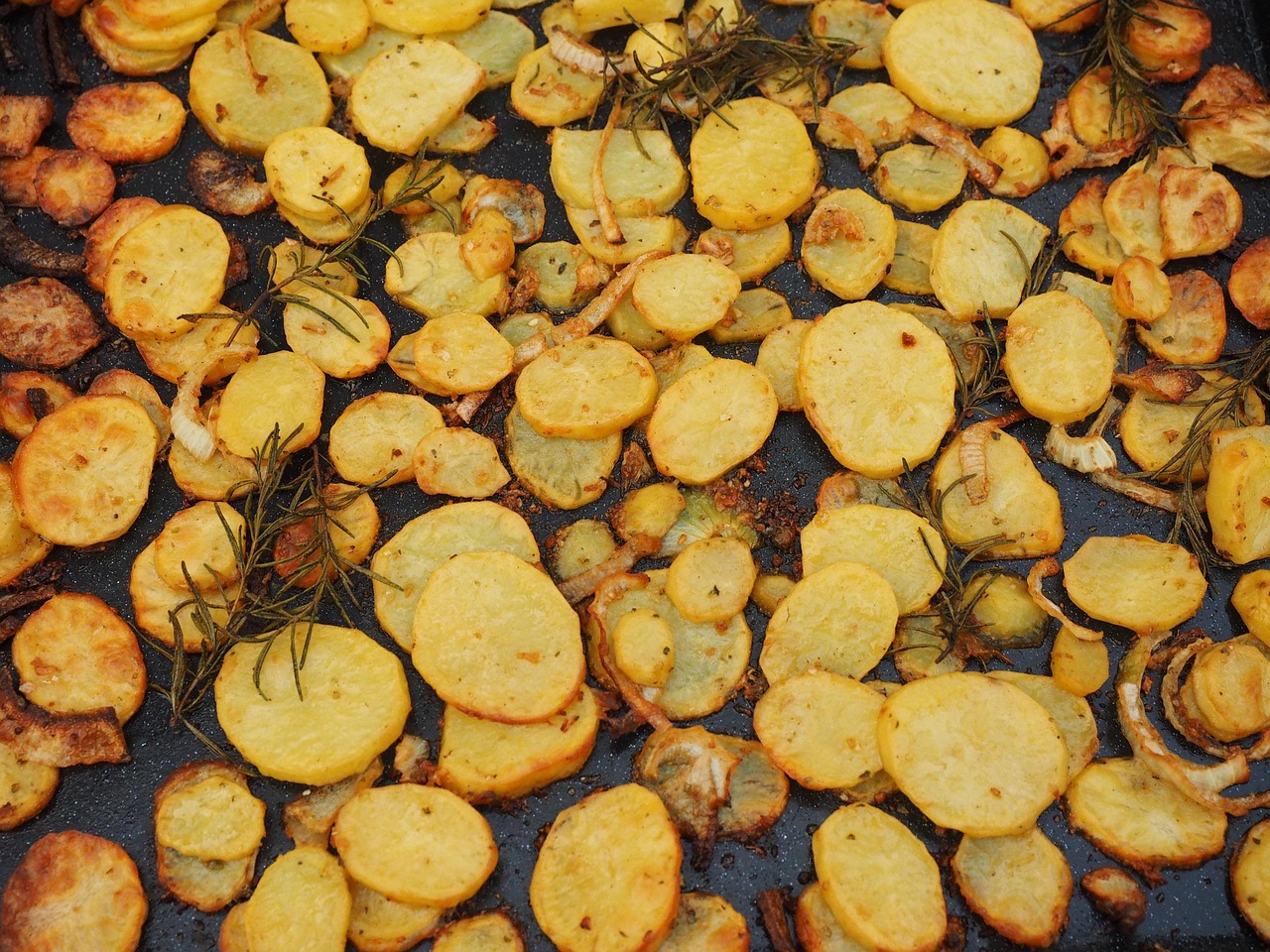
Potatoes and gluten only meet in the kitchen or the factory. This table summarizes each preparation using FACE’s criteria:
| Preparation | Safe? | What to watch |
|---|---|---|
| Boiled, roasted or steamed potato | Yes | Seasonings and sauces |
| Homemade Spanish omelet | Yes | That it is not pre-cooked or served on bread |
| Homemade french fries | Yes | Clean oil, not shared with breading |
| French fries at a restaurant | It depends | Fryer shared with wheat breading |
| Frozen pre-fried potatoes | Only if gluten-free | Some have a coating or wheat starch |
| Packaged crisps | Only if gluten-free | Flavorings and factory contamination |
| Instant mash flakes | Only if gluten-free | Additives and thickeners |
| Patatas bravas | Depends on the sauce | Prepared sauces are specific products |
| Gnocchi and croquettes | Usually not | Wheat flour in the dough or the béchamel |
| Breaded or tempura potato | No | Wheat coating |
The golden rule is the usual one: plain potato with no label, processed potato with a label. The cross-contact points at home, such as the fryer or the toaster, are explained in gluten free diet: the complete guide.
Can celiacs eat Spanish potato omelet?
Yes, celiacs can eat Spanish potato omelet as long as it is homemade. Its ingredients, eggs, potato, onion and oil, are safe according to FACE. The real question is where the omelet comes from.
At a bar there are three things to check. One, whether it is homemade or pre-cooked: ready meals are specific products and only qualify when labelled gluten-free. Two, whether it was fried in oil shared with breading. Three, the bread: a pincho of omelet is just potato and egg, but it is served on a slice of wheat bread, so ask for it without bread or on gluten-free bread.
Do french fries have gluten? Homemade, restaurant, packaged and Pringles
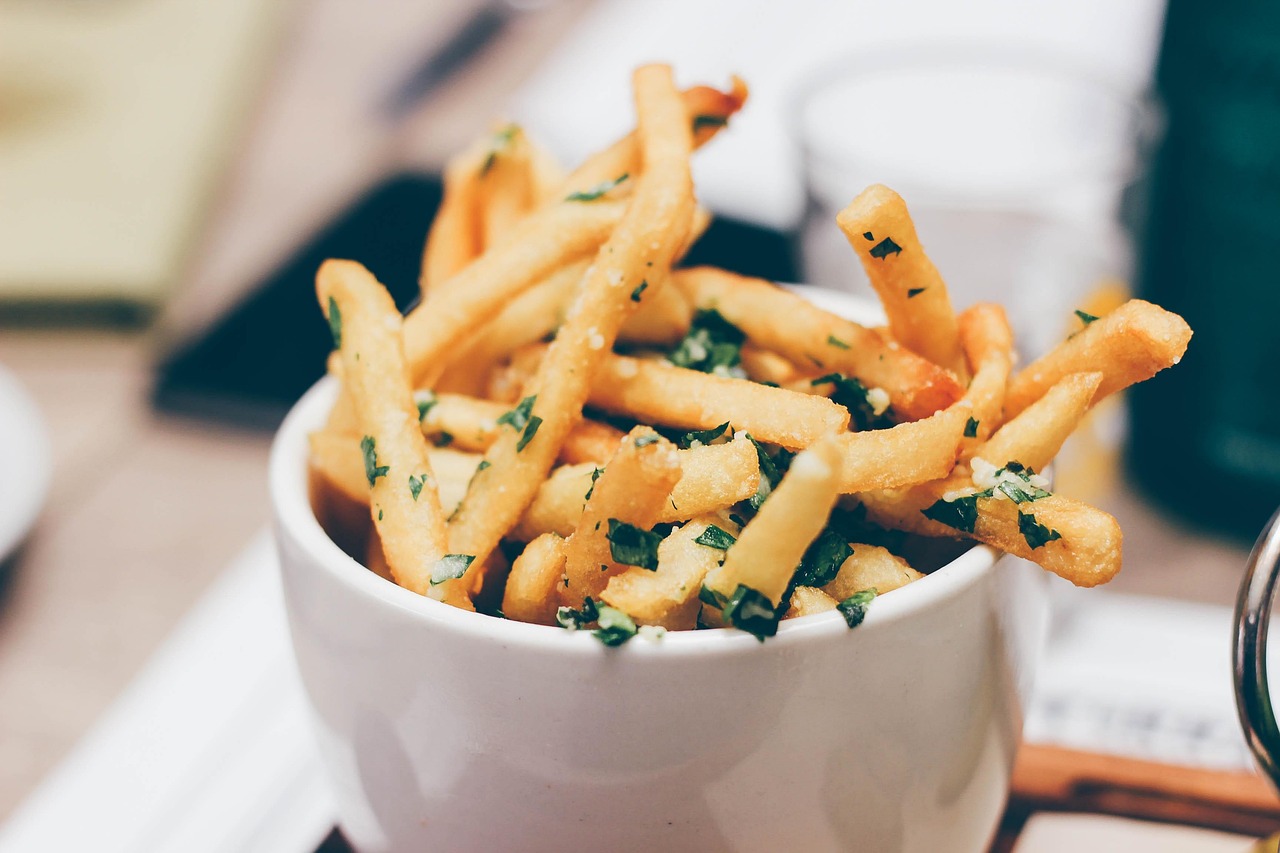
Homemade french fries have no gluten: they contain potato, oil and salt. That is the case where celiacs can eat french fries without a second thought.
At a restaurant, the risk sits in the oil. FACE flags the fryer shared with wheat breading as one of the most common cross-contact points (FACE tips). The right question is whether the oil is used only for gluten-free food.
Packaged crisps are another case. FACE’s classification treats potato snacks as specific products: they only qualify when labelled gluten-free. Flavors need extra care, because seasonings can contain wheat-based ingredients. If you wonder whether crisps have gluten, the honest answer is that it depends on the product, and the label decides.
One concrete case is Pringles. Celiac.com reports that nearly all flavors are made with wheat starch and are not labelled gluten-free; that analysis is from 2021 and covers the United States, so in Spain check the pack. If the bag does not say gluten-free, leave it.
Mash, gnocchi and croquettes: where gluten does show up with potato
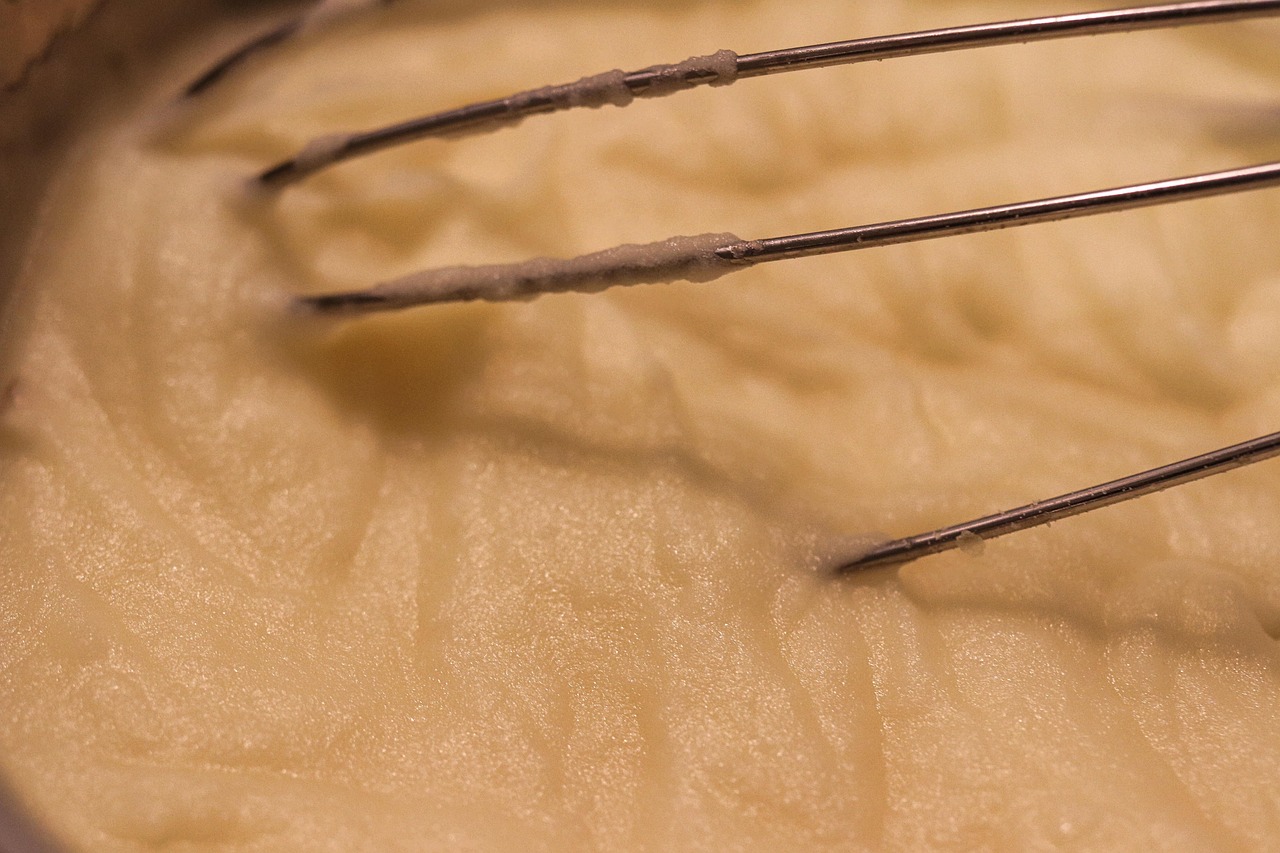
Homemade mashed potato has no gluten: potato, oil or butter, milk and salt. Instant mash flakes move to the specific level in FACE’s classification, like packaged purées and creams, and only qualify when labelled gluten-free.
Gnocchi and croquettes are the two big traps. Traditional gnocchi are made with potato and wheat flour, and croquettes use béchamel made with the same flour. Gluten-free versions of both exist, but only with the label on the pack or the confirmation of a cook who used suitable flours.
Potato, lactose and potato allergy
If you are looking for lactose free potatoes, the news is good: potato has no lactose. What adds it is mash made with milk or butter, or a cheese gratin. If you avoid lactose as well as gluten, the combination is explained in gluten free and lactose free.
Potato allergy is a different thing and has nothing to do with gluten. It exists, though it is uncommon. A Hospital La Paz study published in Revista Alergia México (2019) identified patatin as the main allergen and described it as heat-stable, with symptoms such as hives, itching when handling raw potato or oral allergy syndrome. If you suspect it, an allergist makes the diagnosis.
How to eat potato safely, at home and out
- Buy fresh potatoes whenever you can: they do not depend on any label.
- With processed products, look for the gluten-free claim (under 20 ppm) on pre-fried, flakes, bags and sauces.
- Fry in your own oil and do not share it with wheat breading.
- Away from home, ask about the fryer oil, the sauce and whether the omelet is homemade.
- Check FACE’s food list in the FACEMOVIL app if you doubt a specific brand.
Gluten free potatoes in Valencia
At Gato Blanco the whole kitchen is 100% gluten free, and we display the FACE Restauración Gluten-Free seal for 2025 and 2026. That includes the potatoes: Las Bravas del Gato Blanco, with homemade brava sauce and aioli, the sweet potato ranchero and the potatoes in the American breakfast, all prepared without wheat or oil shared with breading.
We are a gluten free restaurant in Valencia, in La Zaidía, a 7-minute walk from the Serranos Towers. You can order any dish on the gluten free menu without asking what is in it. To eat out with confidence, see our restaurant for celiacs with gluten free potatoes.
If you want something for the morning, see our gluten free breakfast in Valencia, and for a mid-morning plan with dishes to share, the gluten free brunch in Valencia. An honest note: gluten free covers gluten, and the kitchen also works with dairy, egg and nuts.
FAQ
Does potato have gluten?
No. Fresh potato is safe for celiacs: FACE classifies fresh, cooked or naturally canned tubers as conventional foods. Gluten exists only in wheat, barley and rye. What can contain it is what is done to the potato, such as a coating or a sauce.
Do french fries have gluten?
Homemade ones do not, because they only contain potato, oil and salt. At a restaurant the risk is a fryer shared with wheat breading, which FACE flags as common. Frozen pre-fried potatoes and packaged ones only qualify if the pack says “gluten-free”.
Do crisps have gluten?
It depends on the brand and flavor. FACE classifies potato snacks as specific products: they only qualify when labelled gluten-free, and flavorings can contain wheat. For Pringles, Celiac.com reports that nearly all flavors contain wheat starch and are not labelled gluten-free.
Can celiacs eat Spanish potato omelet?
Yes, if it is homemade: eggs, potato, onion and oil are safe according to FACE. At a bar, ask whether it is homemade, because pre-cooked omelets are specific products that need a gluten-free label, and ask for the slice without bread or on gluten-free bread.
Does potato starch have gluten?
No. FACE explains that potato, corn and cassava starches are naturally gluten-free, unlike wheat starch, which is only safe when certified below 20 ppm. Even so, check the label of the final product, because it may contain other ingredients that do carry gluten.
Does mashed potato have gluten?
Homemade mashed potato does not. Instant mashed potato flakes are a specific product and only qualify when labelled gluten-free, according to FACE’s classification. If you make it with milk or butter, bear in mind the lactose if you avoid that too.
Can you be allergic to potato?
Yes, though it is uncommon. A Hospital La Paz study in Revista Alergia México (2019) identified patatin as the main allergen, and found it heat-stable. It is a different condition from celiac disease and has nothing to do with gluten. If you suspect it, see an allergist.
Sources
- FACE: Classification of foods suitable for celiacs 2021, Does starch have gluten? (2023) and Tips for a gluten-free diet.
- NHS (United Kingdom): coeliac disease treatment. NIDDK (United States): eating, diet and nutrition.
- Celiac.com: Are Pringles gluten-free? (2021).
- Revista Alergia México: Allergy to vegetables of the nightshade family (2019).
This article is for information only and does not replace seeing a doctor or dietitian. Product formulations change: always check the pack label.