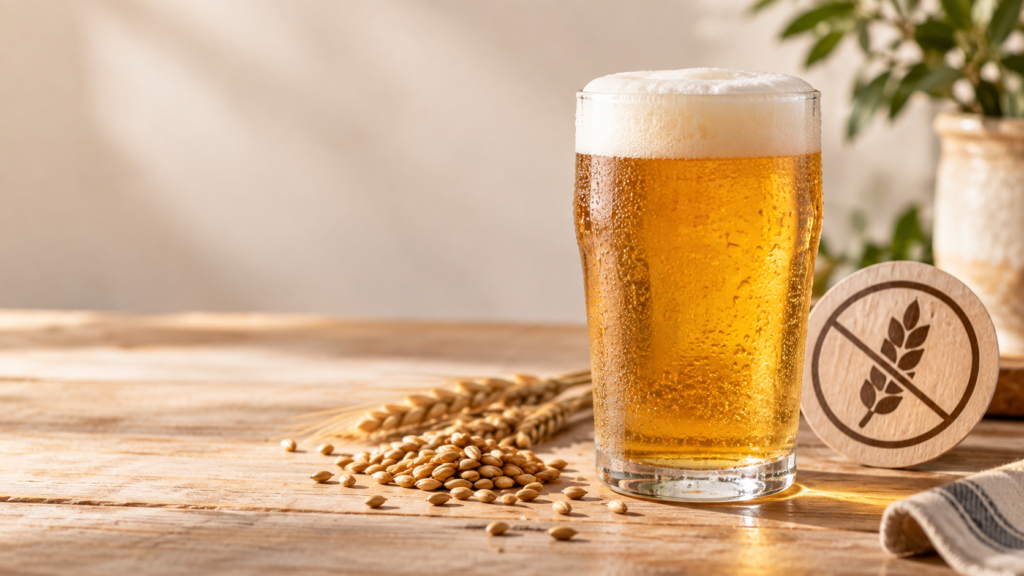
Yes, regular beer has gluten. It's made with malted barley, and barley is one of the three grains that carry it. That doesn't mean a celiac has to give it up, though.
At Gato Blanco we pour gluten free beer every day, at the bar and at the tables. It's what we put in front of every guest who tells us "I'm celiac" when they order a drink. So let's get into what actually matters: why beer has gluten, how it gets removed, and which brands you can order without worrying. And if you want to know what that gluten is, it is explained in what is gluten.
Why does regular beer have gluten?
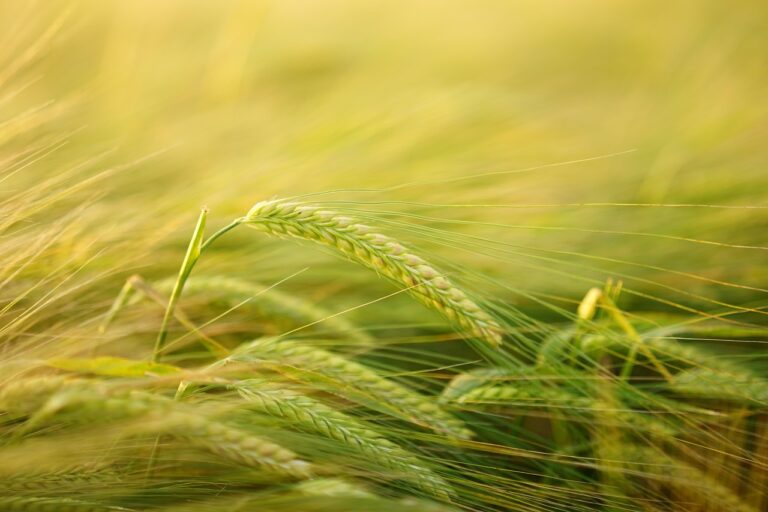
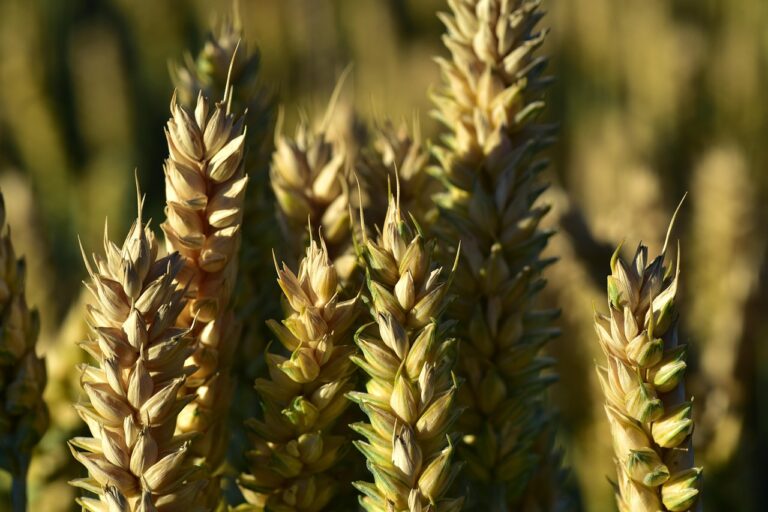
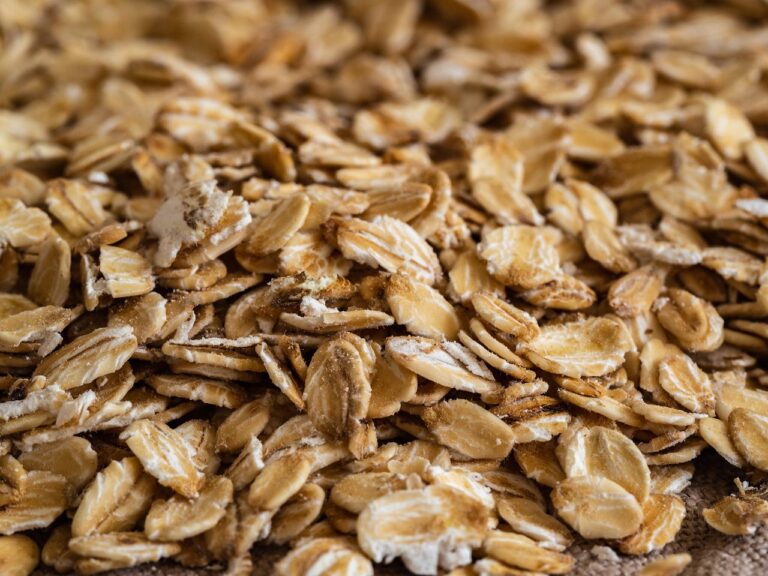
Because it's brewed from grains that carry it. The classic recipe for any lager or ale starts with water, malted barley, hops and yeast. Some recipes add wheat too. Barley and wheat are pure gluten sources, and that gluten moves into the wort during mashing. So does beer contain gluten by default? If it's brewed the traditional way, yes.
Brewer's yeast has nothing to do with it, by the way. Does brewer's yeast have gluten? No. It's a fungus, Saccharomyces cerevisiae, and it doesn't contain gluten on its own. Gluten comes from the grain, not from fermentation. If you've ever heard "brewer's yeast has gluten," that's a mix-up: the only real risk is cross-contact if the yeast is packaged in a facility that also handles wheat.
How gluten free beer is made
There are two routes, and the brands you'll find on the shelf use one or the other.
Method 1: swap the grain
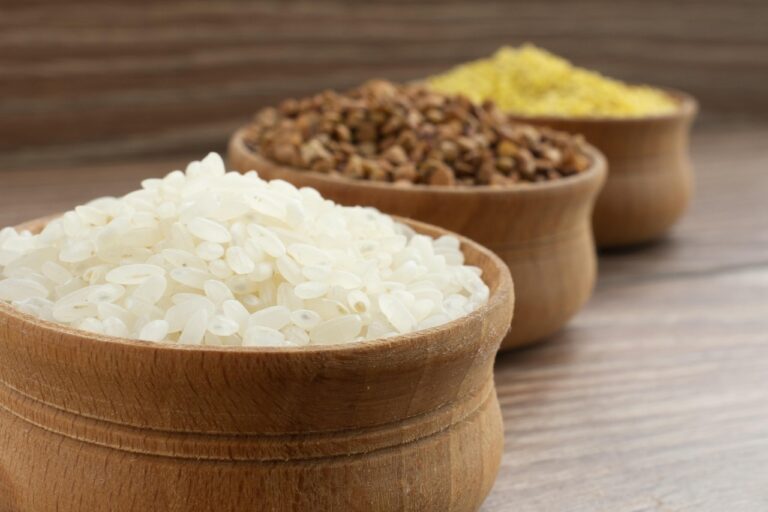
Sorghum, rice or corn instead of barley or wheat. Gluten free from the start.
Method 2: break the gluten down
Regular malted barley, then an enzyme degrades the gluten protein during processing.
The first is swapping the grain. Instead of barley or wheat, brewers use sorghum, rice or corn, none of which contain gluten naturally. The beer is gluten free from the source, with no further treatment needed.
The second is breaking the molecule apart. The beer is brewed with malted barley, just like a regular one, and then an enzyme is added that degrades the gluten proteins during the process. The grain still carried gluten at the start, but the finished beer no longer tests above the detectable threshold. This is the method behind Mahou 5 Estrellas Sin Gluten and Estrella Damm Daura, the two best-known gluten free beer brands in Spain.
Here's a number that surprises people: malted barley can go from 18 grams of gluten per kilo in the initial mix down to about 12 milligrams per kilo in the finished beer. The enzyme makes that difference, not the starting grain.
What does the law say about gluten free beer?
EU Regulation 828/2014 sets the threshold at 20 milligrams of gluten per kilo. Below that figure, a product can legally carry a "gluten free" label anywhere in the European Union, regardless of which grain it started from. That's why a beer brewed with malted barley can wear the label legitimately, as long as the removal process actually works and gets verified.
That verification runs on the Competitive ELISA R5 method, the accepted standard for hydrolyzed products like beer (gluten broken into small fragments is harder to detect than intact gluten, and this method is built for exactly that). Serious brands, like Daura, publish their results: under 3 mg/kg, well below the legal limit.
Gluten free beer brands: what you can order, and what you can't
Not every beer that "sounds safe" actually is, so here's what we've verified brand by brand.
| Brand | How it removes gluten | Verified level | Safe for celiacs? |
|---|---|---|---|
| Mahou 5 Estrellas Sin Gluten | Enzymatic breakdown of malted barley | Under 20 mg/kg (EU legal label) | Yes. We pour it at Gato Blanco. |
| Mahou 5 Estrellas 0,0 Sin Gluten | Same process, alcohol-free version | Under 20 mg/kg | Yes. Also on tap at our bar. |
| Estrella Damm Daura | Enzymatic breakdown, backed by the Gluten Unit at CNB-CSIC | Under 3 mg/kg (ELISA R5 method) | Yes, a common reference beer for celiacs in Spain. |
| Corona Extra | None. Malted barley, no treatment | Not guaranteed by the manufacturer | No. The brand itself doesn't label it gluten free. |
We get asked about Corona a lot: no, it's not a beer for celiacs. When it comes to celiacs and beer, that's exactly the kind of question worth double-checking rather than assuming. It lists malted barley among its ingredients, and the brand has never certified a gluten removal process. If you've read somewhere that "the US considers it low gluten," that standard doesn't apply in Spain or the EU.
Shopping at the supermarket, Aldi carries gluten free beer under their own Karlsquell brand, with the crossed-grain symbol on the label. Availability varies by store, so you won't always find it on the shelf, but it exists. Always check the label: if it doesn't carry the crossed-grain symbol or a stated mg/kg figure, don't assume anything.
Is there beer that's both alcohol free and gluten free?
Yes, and it's easier to find than you'd think. Mahou 5 Estrellas 0,0 Sin Gluten is a gluten free and alcohol free beer at once: zero alcohol and under the legal gluten threshold. At Gato Blanco we pour it right alongside the alcoholic version, so if you're driving, pregnant, or just prefer not to drink, you don't have to choose between an alcohol free and gluten free beer or a regular one.
You can order it during our afternoon bar and café service, alongside the rest of the gluten free menu. If you're visiting with kids, the kids play area means the adults can relax with a drink while the little ones play next door.
Does gluten free beer cause less bloating?
It depends on who's drinking it. If you're celiac, yes: the gluten in regular beer triggers an inflammatory response in your gut, and bloating is part of that. Switching to gluten free beer removes that specific trigger for you.
If you're not celiac or gluten sensitive, the bloating you notice from beer comes from somewhere else: carbonation, alcohol, or how much you drink. In that case, a gluten free beer doesn't change anything, because gluten was never the cause.
Where to drink gluten free beer in Valencia
We're at Calle Lérida 14, in La Zaidía, an 8-minute walk from the Torres de Serranos. Our whole menu is gluten free, not just the beer: you'll find the full details on our gluten free restaurant page. And if you're wondering what else to watch out for beyond barley-based alcohol, we've got an article covering what celiacs cannot eat, built on the same rule: verify before you claim. To eat out with confidence, see our restaurant for celiacs with gluten free beer.
The crossed-grain symbol is what you look for on the label. It appears on products verified under the 20 mg/kg threshold, licensed by a recognized celiac association. On beer, it always comes with an ELISA R5 test result.
Frequently asked questions about beer and gluten
Which beers are gluten free?
If you're asking which beer has no gluten in Spain, the easiest to find are Mahou 5 Estrellas Sin Gluten, its 0,0 alcohol-free version, and Estrella Damm Daura. Many celiacs consider Daura the best gluten free beer thanks to its verified level (under 3 mg/kg). We carry the first two at Gato Blanco.
What are the gluten free beer ingredients?
The same ones as always: water, malted barley or an alternative grain, hops and yeast. Nothing unusual. What changes is the process: an enzyme that breaks the gluten down, or a grain that never had gluten to begin with.
Is Corona gluten free?
No. Corona Extra lists malted barley among its ingredients, and the manufacturer doesn't certify any gluten removal process or label it "gluten free" in Spain or the EU. It's not a safe choice for celiacs.
Does brewer's yeast have gluten?
No, yeast itself doesn't contain gluten: it's a fungus, not a grain. The gluten in beer comes from malted barley or wheat. The only indirect risk is cross-contact, if the yeast is packaged in a facility that also processes gluten-containing grains.
Is there beer that's alcohol free and gluten free at the same time?
Yes. Mahou 5 Estrellas 0,0 Sin Gluten meets both conditions at once: zero alcohol and under the legal gluten limit. It's the gluten free alcohol free beer option we serve at Gato Blanco alongside the alcoholic version, at the same bar service.
Is there gluten free beer at supermarkets in Spain?
Yes. Aldi stocks it under their own Karlsquell brand, and Mahou 5 Estrellas Sin Gluten is widely available too. Look for the crossed-grain symbol and a stated mg/kg figure on the label before buying.
Does gluten free beer bloat you less?
Only if you're celiac: in your case, the gluten in a regular beer triggers gut inflammation, and removing it takes away that specific cause. If you're not celiac, the bloating comes from carbonation or alcohol, not gluten, so switching beers won't change that part.