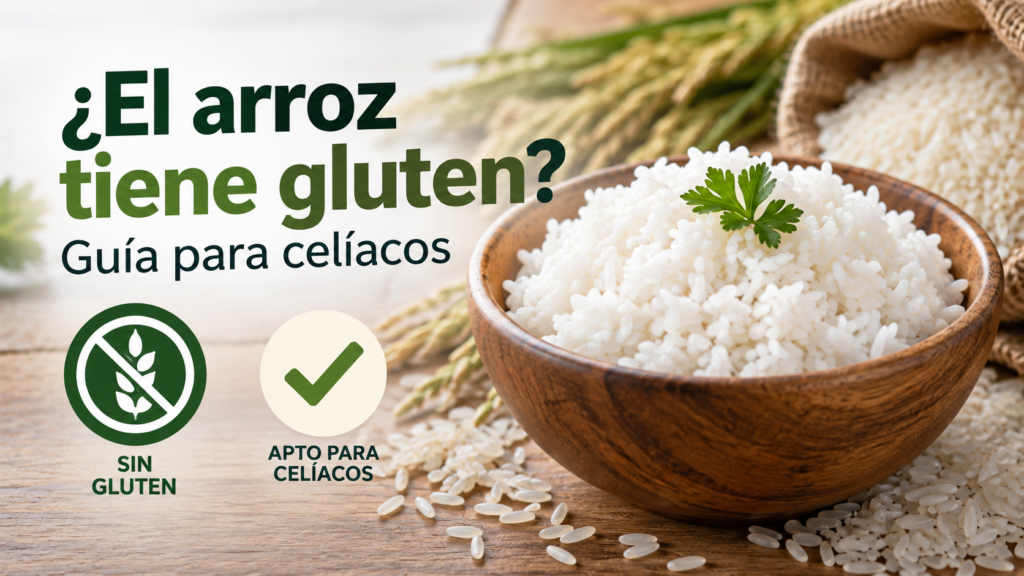
Does rice have gluten? A guide for celiacs
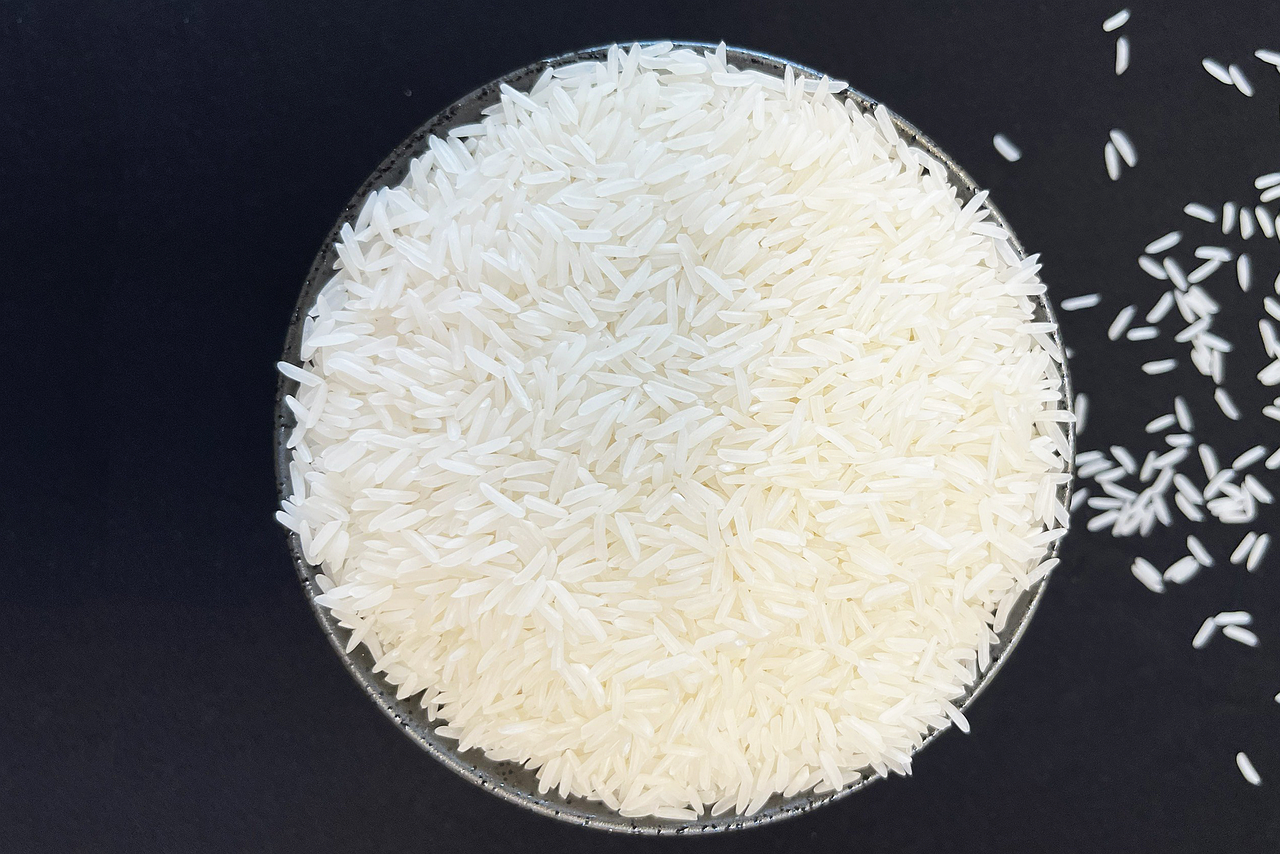
No, rice doesn't have gluten. Does rice contain gluten in any variety? No: not white, not brown, not basmati, jasmine, black or red. Gluten comes from wheat, barley and rye, and rice isn't related to any of the three.
At Gato Blanco we serve it as a side alongside several dishes on the menu, with no special treatment because it doesn't need one. But the grain being safe on its own doesn't close the subject: there's a real cross-contact risk, both at the factory and in your own kitchen, worth knowing about.
Why doesn't rice have gluten?
Gluten is a specific protein family: gliadin and glutenin, and only wheat, barley and rye produce them. Rice has its own storage proteins, mainly oryzenin, which have nothing to do with that family. It's not that rice loses gluten at some point in processing. It never had any, in any variety, in any field.
That holds for white rice as much as brown, basmati, jasmine, black or red. The difference between them comes down to milling, aroma or the color of the bran, never a protein none of them carries.
Can celiacs eat rice?
Yes, without any issue. A celiac can eat rice the same way they eat corn or quinoa: they're the staples of any gluten free diet. Rice is one of the most forgiving foods for celiacs, precisely because it doesn't need a special version. The complication starts once rice stops being just rice and becomes part of a dish, a sauce or a packaged product with more ingredients.
The factory risk: contamination in mills and packaging
The grain itself
Gluten free at the source, in any variety, in any field.
The factory or mill
If it also processes wheat or barley, that's where gluten can slip in.
The risk shows up in transport, storage and especially at the mill: if the same facility processes wheat or barley, rice can pick up traces of those grains. The same thing happens with oats, which without certification can reach between 100 and 1,000 mg/kg of gluten from contamination, well above the legal limit of 20 mg/kg. An uncertified bag of rice isn't automatically dangerous, but it isn't a guarantee either.
Rice flour has the same problem, and it's easier to miss because you can't see the whole grain. Always buy brands that state "gluten free" on the package, backed by a celiac association's seal. Without that label, you're trusting that the specific factory doesn't mix production lines, and that's not something you can verify from home.
The kitchen risk: what you add to the rice
This is where most guides fall short, and it's exactly where extra care matters. Cooking rice at home can introduce gluten the grain never had. Soy sauce is the clearest example: most brands contain wheat from the fermentation process, so a fried rice made with regular soy sauce stops being gluten free the moment you add it.
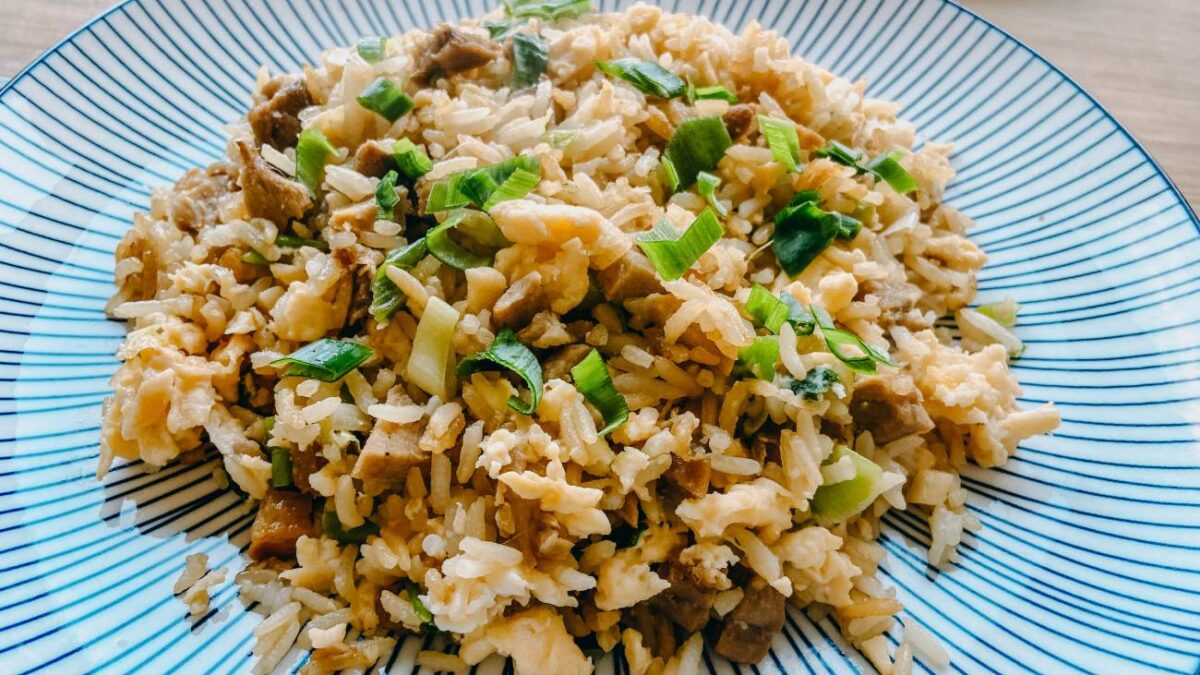
The same goes for store-bought stock (many use wheat as a thickener), pans or pots that cooked pasta earlier without a thorough wash, and the strainer or spoon you use for both. None of these failures have anything to do with the rice itself. They all come from what's around it in your kitchen.
If you make fried rice at home, use tamari (the wheat-free version of soy sauce) or a certified gluten free soy sauce, and keep a separate utensil for gluten dishes if you cook for a celiac regularly.
A quick rundown of where gluten tends to sneak in, and what to do about it:
| Risk source | Risk level | What to do |
|---|---|---|
| Loose rice or rice flour with no brand or seal | High if the mill also processes wheat | Only buy with a certified "gluten free" label |
| Regular soy sauce | High: almost all contain wheat | Use tamari or certified gluten free soy sauce |
| Commercial stock and bouillon cubes | Medium: many use wheat as a thickener | Check the ingredients or make your own stock |
| Pans or pots shared with pasta | Medium-low, depends on the wash | Keep a separate pan or wash thoroughly between uses |
| Ready-made rice dishes (risotto, packaged paella) | Variable | Read the full dish label, not just "rice" |
What about rice pudding or prepared dishes?
Here the question changes: the doubt isn't whether rice has gluten, it's what else is in the dish. Rice pudding, for example, does have lactose, because the milk carries it, not the rice (the grain itself is as free of lactose as it is of gluten, it's a cereal, not a dairy product). Does rice have lactose on its own? No, never. With prepared rice in general it's the same story: a risotto, a packaged paella or a cold supermarket rice dish can carry stock, flavor enhancers or wheat traces as a thickener. That's where you need to read the full dish label, not the rice bag.
Eating out: what to ask before you order
If you're at a restaurant you don't know, ask how the rice is prepared, not just whether it "has gluten." A rice dish can start gluten free and end up contaminated by the stock, the sofrito or the pan it's cooked in alongside other dishes. At Gato Blanco you don't need to ask that question: the whole kitchen runs gluten free from the start, so there's no "separate" pan for you, it's the only one there is.
Where to eat gluten free rice in Valencia
Our whole menu is gluten free, rice included, so there's no need to ask for anything special or repeat yourself three times. You can see the rest of the menu on our gluten free restaurant page, and if you're after something to go with it, we've already covered the gluten free bread and the gluten free beer on our menu. We're at Calle Lérida 14, La Zaidía, an 8-minute walk from the Torres de Serranos.
Frequently asked questions about rice and gluten
Can celiacs eat rice?
Yes. Celiacs can eat rice with no special restriction: it's one of the base grains of any gluten free diet, alongside corn and buckwheat. The precaution is choosing certified brands if you buy loose rice or rice flour, because of the risk of factory contamination.
Does white rice have gluten?
No. Neither white rice nor any other variety contains gluten naturally. The risk lies in whether it was processed at a facility that also handles wheat or barley, or in what you add to it when cooking.
Does brown rice have gluten?
No. Brown rice is the same grain as white, just with the bran and germ kept intact. That difference affects fiber, not gluten: neither one has it.
Does rice have lactose?
No. Rice is a cereal, not a dairy product, so it never has lactose. If the question comes from a dish like rice pudding, the lactose comes from the milk, not the rice.
Does rice contain gluten if it's flavored or seasoned?
It depends on the seasoning. Plain rice never contains gluten, but flavored rice mixes, bouillon-based rice, or rice cooked with soy sauce can pick up wheat from those added ingredients. Check the full ingredient list, not just the rice itself.